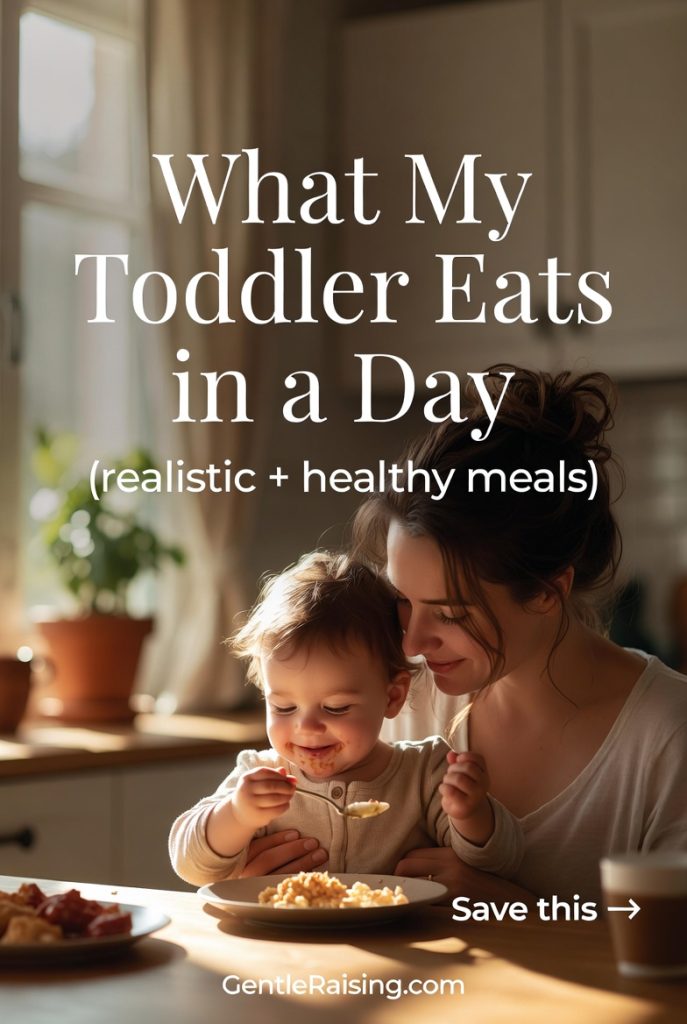
Let me be real with you for a second. Before I had a toddler, I genuinely believed I would be the kind of parent who lovingly prepared colour-coded bento boxes every morning. There would be little cucumber stars, perfectly ripened avocado slices, maybe a tiny ramekin of hummus shaped like a sunflower. My child would eat everything. Joyfully. Without throwing it on the floor.
Ha.
Fast forward to last Tuesday. My two-and-a-half-year-old had plain pasta for dinner, no sauce, no butter, not even a sprinkle of cheese, because that was the hill she decided to die on. And you know what? She ate every single piece. Enthusiastically. I considered it a win.
If you’re reading this, desperately Googling ‘is my toddler eating enough’ at 11 pm, first of all: welcome, you’re among friends. Second: this article is for you. Not the sanitised, stock-photo version of toddler eating, the real one, with the rejected meals and the mysterious food phases and the occasional victory of getting one single green vegetable past suspicious little lips.
We’re going to walk through a full, realistic day of what a toddler actually eats, with context, caveats, and a few things your paediatrician probably wishes more parents understood.
First, a Quick Word About Toddler Nutrition (Before the Food Chaos Begins)
Here’s the thing about toddlers and eating: they are biologically wired to be unpredictable. This is not a parenting failure. This is not because you introduced solids ‘wrong.’ This is developmental.
Between ages one and three, a child’s growth rate actually slows dramatically compared to infancy. A baby can triple their birth weight in the first year. After that, things quiet down, and appetite follows. So the toddler who once ate everything is now suddenly suspicious of foods they loved last week. That’s not a phase that will pass in three days. It’s a phase that might last months. Or years. Ask me how I know.
According to the American Academy of Paediatrics, most toddlers between one and three years need roughly 1,000 to 1,400 calories per day, but that number looks wildly different across 24 hours. Some days, your toddler may eat like a tiny competitive eater. Other days, they seem to survive on air and sheer willpower. Both are within normal range.
What matters more than any single day’s intake is the pattern over a week. Toddlers are actually pretty good at regulating their own energy needs if you let them.
The hard part is letting them. The even harder part is not losing your mind while you do.
Okay. Deep breath. Let’s talk about food.
Morning: The Great Breakfast Negotiation (7:00 – 8:30 am)
Breakfast in our house starts with what I privately call The Declaration. This is when my toddler announces, with the confidence of someone who has never once been wrong, exactly what she will and will not eat today. The Declaration changes daily. Sometimes hourly.
On a typical morning, here’s what lands on the table:
- Whole milk (about 120–180ml) offered in a cup with a handle, because the sippy cup phase is apparently over now. She told me.
- Half a banana sometimes accepted, sometimes treated like a foreign object.
- Two scrambled eggs on good days. On bad days, eggs are ‘yucky’, and that’s that.
- Two small slices of wholegrain toast, maybe with a thin scrape of peanut butter.
What does she actually eat? On a good day: all of it. On an average day: the banana, one piece of toast, and most of the milk. The eggs get pushed to the edge of the plate like they personally wronged her.
Here’s what I’ve stopped doing: panicking about it. Here’s what I’ve started doing: offering the same foods consistently without pressure. The research around a concept called ‘Division of Responsibility in Feeding’, developed by dietitian Ellyn Satter, genuinely changed how I approach mealtimes.
The parents’ job is to decide what food is offered, when, and where. The child’s job is to decide whether and how much to eat. Full stop.
It sounds counterintuitive when you’re watching a perfectly good egg go cold. But pressure, even gentle, loving pressure, tends to backfire with toddlers. The more we push, the more they resist. It’s basically physics.
A note on milk
Whole cow’s milk is typically recommended from age one onwards, replacing formula. Most toddlers need about 2–3 servings of dairy daily, that’s roughly 350–480ml of milk, or a mix of milk, yoghurt, and cheese. The NHS and most major health bodies suggest not exceeding 500ml of milk per day, as too much can actually suppress appetite and crowd out other nutrients, particularly iron.
If your toddler is milk-obsessed and not eating solids well, it may be worth gently reducing milk intake and spacing it further from mealtimes. This was genuinely transformative advice we got from our health visitor I wish someone had mentioned it sooner.
Mid-Morning Snack: The Snack That Has to Exist (10:00 – 10:30 am)
Toddler stomachs are small roughly the size of their fist, which is absolutely tiny. They genuinely cannot eat enough at one meal to sustain them for hours. This is not manipulation. This is anatomy.
Mid-morning snack in our house is usually something like:
- A small handful of Pombear crisps or rice cakes, yes, sometimes a snack is just a snack.
- Sliced strawberries or a small cup of blueberries.
- Water — always water, ideally in a cup that won’t end up upside-down on the sofa.
What I’ve learned about snacks: timing matters enormously. Offer a snack too close to lunch and you’ve essentially killed lunch. Offer it too far away, and you’ve got a melting-down toddler who can’t process the emotion of being hungry. The sweet spot is about 90 minutes to two hours before the next meal, enough time to prevent a hunger spiral, not so close that appetite disappears.
Also, and I cannot stress this enough, the snack doesn’t need to be elaborate. A banana and some water are completely fine. You don’t need to Pinterest-ify it. Your toddler is not judging the presentation. Actually, they might prefer it plain. Mine refuses food that looks ‘complicated.’ I once spent twenty minutes cutting cheese into star shapes only to be told No cheese.’ Never again.
Lunch: The Most Unpredictable Meal of the Day (12:00 – 1:00 pm)
Lunch has the energy of a coin flip in our house. Some days, she arrives at the table ravenous and eats everything I put in front of her. Other days she takes one look at the plate and informs me she ‘doesn’t like it’, before she’s even tasted it. We call this the Preliminary Rejection, and it happens regardless of whether the food on the plate is her actual favourite thing in the world.
A typical weekday lunch might look like this:
- Half a soft wholemeal pitta bread with hummus. She goes through phases with hummus. Currently: acceptable.
- A few cherry tomatoes (halved, because choking hazards are real) are sometimes eaten, sometimes lined up along the edge of the tray like tiny decorations.
- Small strips of cucumber are usually accepted if they’re peeled. The skin is apparently an issue.
- A few cubes of mild cheddar cheese.
- A small pot of full-fat yoghurt for after this is almost always eaten. Yoghurt is sacred.
On the days when lunch is a full-on rejection situation and those days happen, I try to remember a few things. One: offering a safe food (something she reliably likes) alongside new or previously rejected foods helps reduce anxiety around the meal. Two: I don’t offer an alternative if she refuses. That’s a hard one. But repeatedly making a separate meal trains toddlers to hold out for what they want, and that pattern is genuinely difficult to undo later.
Three, and this one surprised me, pressure to ‘just try one bite’ actually increases food aversion over time for many children. I know it feels like the logical approach. It’s not, for most toddlers. Exposure without pressure, over and over again, is what eventually works. It takes months. Sometimes it takes years. The current research on food neophobia in toddlers suggests repeated neutral exposure can take up to fifteen to twenty encounters before a new food is accepted.
Fifteen to twenty encounters. So if your toddler rejected broccoli nine times, you are actually more than halfway there. Keep going.
What about iron?
Iron deficiency is the most common nutritional deficiency in toddlers worldwide, and it’s worth knowing about. Toddlers between one and three need about 7mg of iron per day. Good sources include red meat, dark poultry, fortified cereals, lentils, beans, and leafy greens. Pairing iron-rich plant foods with a source of vitamin C (like a tomato or orange) helps absorption significantly.
Signs of low iron can look like fatigue, paleness, poor appetite (ironically), and delayed development. If you’re concerned, it’s absolutely worth bringing up with your GP or paediatrician a simple blood test can check ferritin levels.
Afternoon Snack: The Second Wind (3:00 – 3:30 pm)
Post-nap (if you’re lucky enough to still have a napper) or mid-afternoon, toddlers usually need a bridge snack to get through to dinner. This one tends to be simpler, and I’ve started being more intentional about what goes in it, not out of anxiety, but because the afternoon snack is genuinely a good opportunity to pack in nutrients if lunch was a disaster.
A typical afternoon snack:
- A small smoothie made with whole milk or yoghurt, frozen mango, and a small handful of spinach, she doesn’t know the spinach is there. I have no regrets.
- A piece of wholegrain toast with a thin spread of almond butter or mashed banana.
- Water, and sometimes a diluted fruit squash as a treat.
On the smoothie, I know some parents feel funny about ‘hiding’ vegetables, and there’s a whole philosophical debate in feeding circles about transparency with food. Honestly? I think there’s a middle ground. I’m not pretending spinach doesn’t exist. I’m not trying to trick her into hating broccoli. I’m just getting some iron and folate into a toddler who would otherwise consume mainly beige foods until further notice. We also offer spinach on the side at other meals, where she routinely ignores it. Progress is non-linear.
One thing I’ve found genuinely helpful is involving her in food prep at this time of day, even minimally. She helps pour things into the blender. She picks which fruit goes in. At this age, ownership and participation in food decisions actually increase willingness to eat, according to feeding therapists. It’s also incredibly messy. Worth it anyway.
Dinner: The Final Boss (5:30 – 6:30 pm)
Dinner. The meal that everyone in parenting circles has opinions about. The meal that every Instagram account dedicated to ‘raising adventurous eaters’ makes look effortless. The meal where a beautifully plated salmon fillet gets rejected and plain pasta becomes the champion of the evening.
Here’s an honest week of dinners from our house:
- Monday: Small bowl of pasta with a homemade tomato sauce (blended, so she can’t identify the vegetables), a few bits of broccoli on the side (mostly ignored), and some grated parmesan. She ate the pasta and two pieces of broccoli. Win.
- Tuesday: Baked salmon flakes with rice and frozen peas. She ate the peas and the rice. The salmon was treated as decoration.
- Wednesday: Chicken and sweet potato soft tacos (soft wraps, small pieces, no spice). She demolished these. Completely unpredictable.
- Thursday: Bean and vegetable stew with soft bread. She ate the bread. The stew was ‘too hot’ even after it was clearly not hot.
- Friday: Plain pasta. No sauce. Her choice, her moment of triumph.
You know what? Looking at that week, she actually ate protein four out of five evenings, iron-rich foods three times, vegetables in some form every day. It doesn’t look Instagram-worthy. But it’s honestly fine. More than fine.
The pressure to make dinner a balanced, educational, elaborate experience every single night is genuinely unsustainable for most families, and it creates a lot of unnecessary stress. Feeding children well is a long game, not a daily performance.
Family dinners: does it actually matter?
Research consistently suggests that eating together, even a few nights a week, is associated with better dietary variety, healthier weight outcomes, and improved emotional well-being in children. This doesn’t mean everyone needs to eat the same food. It means sharing the table, talking, and modelling normal eating behaviour. Toddlers learn an enormous amount from watching adults eat, particularly foods they might be wary of.
If you eat the broccoli, casually, without commentary, your toddler is watching. They file it away. Maybe not today. Maybe not this month. But something registers. The modelling matters.
The Bedtime Snack Debate (7:00pm-ish)
This one is genuinely contentious. Some feeding therapists recommend a small, structured bedtime snack, particularly for children who eat poorly at dinner. Others suggest cutting off food after the last meal to encourage a better appetite the next morning. We’ve landed in the middle: if dinner was basically refused, a small snack happens. If dinner was reasonably eaten, we skip it.
When a bedtime snack does happen, it’s deliberately low-drama. A small cup of warm milk, a plain rice cake, maybe a few crackers and cheese.
The goal isn’t nutrition at this point; it’s just making sure she goes to sleep without an empty stomach. Hungry toddlers sleep poorly. Poorly sleeping toddlers make for poorly sleeping parents. We’re all just trying to survive until morning here.
A Word About Drinks (Because It Matters More Than People Think)
Water should be the primary drink throughout the day. Full stop. Milk is a good, nutrient-rich food, but it shouldn’t replace water as the main hydrator. Juice, even 100% fruit juice, is essentially concentrated sugar with minimal fibre.
The NHS recommends avoiding giving juice to babies, and limiting it significantly for toddlers, offering it diluted, at mealtimes only, if at all.
What does our daily drink routine look like in practice? Water with every snack and meal. Milk is offered once or twice a day, not as a constant sip. An occasional diluted squash, offered deliberately rather than freely available. That’s it. Simple doesn’t mean wrong.
One thing I started doing: offering water in different ways. Open cups, straws, those Doodie cups (the tilted ones that are supposedly easier for toddlers to learn from). It sounds fussy, but some toddlers who ‘refuse’ water are actually just bored with how it’s presented. It worked for us. Your mileage may vary.
On Fussy Eating: The Stuff Nobody Told Me
There’s a difference between typical toddler fussiness and something that might need professional attention, and I think it’s worth naming.
Most toddlers go through periods of food refusal. Most toddlers have strong texture or colour preferences. Most toddlers will eat ten foods happily one week and suddenly reject half of them the next. This is normal. Frustrating, but normal.
However. If your child is eating fewer than twenty foods consistently, if they gag or vomit frequently in response to textures, if mealtime causes significant distress or anxiety, or if they’re not gaining weight appropriately, those are signs worth discussing with your paediatrician or a feeding therapist. Avoidant/Restrictive Food Intake Disorder (ARFID) affects a real percentage of children and isn’t simply ‘picky eating.’ Early support makes a significant difference.
For typical toddler fussiness, the approaches that research consistently supports are: regular meal and snack timing, family-style eating, repeated exposure to a variety of foods without pressure, and keeping mealtime emotions as neutral as possible. The goal is a relaxed table, not a performance review.
What ‘Good Enough’ Actually Looks Like Over a Week
Rather than obsessing over each day, here’s the broader view I’ve found more useful. Over the course of a week, a toddler who is eating well enough is typically:
- Getting some protein most days, such as eggs, dairy, meat, fish, beans, or lentils in some form.
- Encountering vegetables and fruits regularly, even if not always eating them.
- Having some source of complex carbohydrate bread, rice, pasta, oats, and potatoes.
- Getting some healthy fat dairy, avocado, nut butter, and olive oil.
- Drinking mainly water and some milk, with juice kept to a minimum.
That’s it. You don’t need a PhD in nutrition. You don’t need elaborate meal plans. A toddler who is growing, developing, has energy to play, and isn’t showing signs of deficiency is a toddler who is getting what they need, even if dinner last night was plain pasta and three peas.
Practical Things That Actually Helped Us (Your Results May Vary)
I’m not going to pretend I have all the answers. But a few practical things have genuinely shifted things in our house, and I share them not as prescriptions but as ideas worth trying:
- A predictable meal schedule, roughly the same times each day, reduces the constant ‘I’m hungry’ requests and makes actual mealtimes go more smoothly. Toddlers thrive on routine more than most adults do.
- Serving one ‘safe’ food alongside new ones. Every meal has at least one thing she reliably likes. It removes the threat of a completely unacceptable plate.
- Keeping portions toddler-sized. A tablespoon per year of age is a useful rough guide for each food on the plate. A toddler-sized serving of pasta is genuinely tiny compared to what an adult might instinctively serve. Big portions are overwhelming.
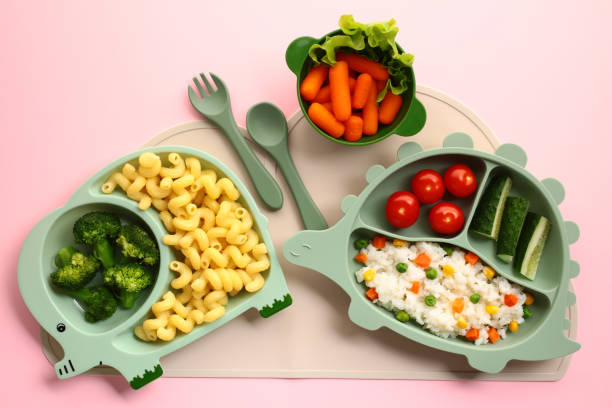
- Letting her serve herself, sometimes using divided plates or little bowls at the table, where she picks what goes on her plate. Autonomy reduces resistance, and resistance is the main obstacle to toddler eating.
- Stepping back from the table during difficult meals. Not ignoring her, just not performing anxiety about her eating. Toddlers pick up on parental stress around food, and it amplifies their own resistance. Easier said than done. Worth practising.
The Bottom Line (Which Is Really Just Permission)
If you took anything from this, I hope it’s this: you are not failing your toddler because they won’t eat what you put in front of them. Feeding toddlers is hard. It’s inconsistent. It’s sometimes genuinely defeating.
But here’s what’s also true. Repeated exposure matters. A relaxed mealtime environment matters. Not making food a battleground matters. Keeping variety available even when it goes ignored matters.
The plain pasta toddler of today is the adventurous eater of age eight, maybe. Probably. If we don’t burn out and stop trying in between.
You’re doing fine. The fact that you’re reading a 3,000-word article about toddler nutrition at whatever hour it is tells me you’re doing better than fine.
Now go eat something yourself. You probably forgot to.
A Few Resources Worth Knowing
- Ellyn Satter Institute (ellynsatterinstitute.org) Division of Responsibility in Feeding framework.
- NHS Start4Life UK government resources on toddler eating, portion sizes, and common nutrition questions.
- American Academy of Paediatrics (healthychildren.org) evidence-based feeding and nutrition guidance.
- ARFID Awareness UK provides information and support for families dealing with severe feeding difficulties.
- Solid Starts app is a comprehensive database for introducing foods to babies and toddlers, including allergen guidance and texture information.