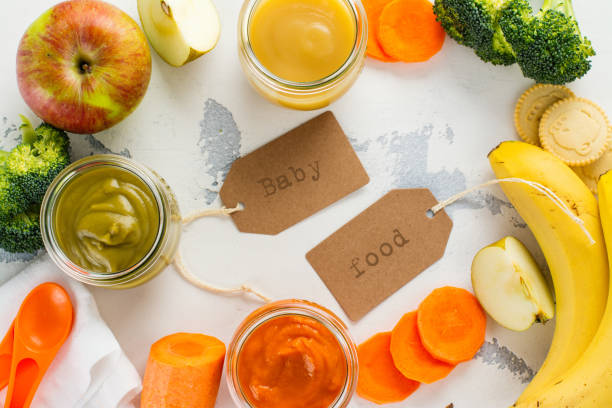
A calm, practical, parent-approved guide for those first tiny bites
The first time your baby tastes food, it feels… momentous. Not dramatic exactly, but weighty. Like a small ceremony nobody prepared you for. One spoon. One soft bite. And suddenly you’re wondering if you’re doing it right, if you waited too long, if you started too early, if mashed banana was a mistake, if everyone else knows something you don’t.
Here’s the thing. First foods matter, but not in the way social media makes them seem. They’re not a test. They’re not a race. And they definitely aren’t a reflection of your parenting skills.
They’re an introduction. A conversation. A slow, sometimes messy beginning.
Let me explain.
When Is a Baby Actually Ready for First Foods?
Most parents hear “around six months” and stop listening after that. Fair enough. You’re tired.
But readiness isn’t about the calendar alone. It’s about development. Babies are ready to eat solids when they can:
- Sit with minimal support
- Hold their head steady
- Bring objects to their mouth
- Show interest in food (watching you eat, reaching, opening their mouth)
- Push food back rather than automatically pushing it out with their tongue
Some babies show these signs at five months. Others are closer to seven. Both can be normal.
What matters more than the exact date is that your baby’s body and brain are ready to coordinate chewing, swallowing, and breathing. That coordination is the real milestone.
And no, starting solids doesn’t mean milk disappears. Breast milk or formula remains the main source of nutrition through the first year. Food is complementary. Practice food.
Honestly, that mindset alone lowers so much pressure.
The Emotional Side of First Foods (Nobody Talks About This)
Feeding your baby solids can stir things you didn’t expect.
Pride, yes. But also anxiety. Comparison. Old family advice is creeping into your head. Maybe even guilt if feeding hasn’t gone smoothly so far.
You might think, Why won’t my baby eat what other babies eat? Or my mother did it differently, was she wrong, or am I?
You’re not alone. Feeding touches something primal. It’s care. It’s love. It’s survival.
So if you feel a little tender about it, that’s normal.
Now, let’s talk about the food itself.
One Rule That Quietly Solves Most First-Food Stress
Simple. Soft. Single-ingredient.
That’s it.
Not flashy. Not elaborate. Not seven superfoods blended.
Babies don’t need complexity. Their digestive systems are still learning. Their taste buds are brand new. Simple foods help you spot reactions, support digestion, and reduce overwhelm, for both of you.
Texture matters more than flavour at first. Safety matters more than variety.
Variety will come.
The Best First Foods List (With Real-World Context)
Below is a practical, parent-tested list of excellent first foods. Not trendy. Not perfect. Just solid choices that work.
Iron-Rich First Foods (Quietly Important)
Babies are born with iron stores that start to dip around six months. That’s why iron matters early on.
Great iron-rich options:
- Iron-fortified baby cereal (oat or rice): Mixed with breast milk or formula
- Mashed lentils: Well-cooked, smooth, gentle
- Pureed beef, chicken, or turkey: Yes, really, meat is an excellent iron source
- Mashed beans (black beans, kidney beans): Skins removed if needed
Some parents hesitate with meat. It feels “advanced.” But nutritionally, it makes sense. Just keep it smooth and moist.
Fruits That Tend to Work Well Early
Fruits are often where parents start, and that’s fine.
Good first choices include:
- Banana (mashed well)
- Avocado (soft, creamy, filling)
- Pear (steamed and pureed)
- Apple (always cooked first)
- Mango (ripe and mashed)
Fruit introduces sweetness, which babies usually accept easily. Just don’t feel stuck there forever. Balance matters over time.
Vegetables Babies Often Accept (With Patience)
Vegetables sometimes take more tries. That’s normal.
Try:
- Sweet potato (steamed, mashed)
- Carrots (well-cooked, smooth)
- Pumpkin or squash
- Zucchini
- Peas (skins removed if needed)
Here’s a small truth: babies often need to see a food 8–15 times before accepting it. That’s exposure, not failure.
So if your baby scowls at broccoli today, you’re still on track.
Grains and Gentle Starches
Grains add energy and texture variety.
- Oatmeal (finely ground, well-cooked)
- Soft rice porridge
- Mashed potatoes (plain, no salt)
- Soft pasta (very well-cooked for older beginners)
Avoid added salt and sugar. Babies don’t need them, and their kidneys aren’t ready.
Proteins Beyond Purées
As your baby gains control, texture can change.
- Scrambled egg (soft, well-cooked)
- Flaked fish (boneless, mild varieties)
- Plain yoghurt (full-fat, unsweetened)
Eggs and dairy often worry parents because of allergies. We’ll talk about that shortly.
Foods Parents Worry About (But Often Don’t Need To)
Let’s clear a few common concerns.
Choking vs gagging:
Gagging is normal. It’s loud and dramatic and protective. Choking is silent and serious. Learning the difference can bring peace of mind.
Salt and sugar:
Avoid adding them. Babies don’t miss what they’ve never had.
Water:
Small sips with meals are fine after solids start. Milk still does the heavy lifting.
Allergens: Calm Exposure, Not Fear
Old advice said to delay allergens. Current research says the opposite.
Common allergens include:
- Eggs
- Peanuts
- Dairy
- Wheat
- Fish
Introducing these early, in safe forms, may reduce allergy risk.
A few ground rules:
- Offer one allergen at a time
- Start small
- Watch for reactions
- Avoid whole nuts or thick nut butter
Peanut powder mixed into puree works well. So does thin peanut butter mixed with yoghurt.
If your family has a strong allergy history, talk with your paediatrician first.
Otherwise, steady, calm exposure is often enough.
Spoon-Feeding vs Baby-Led Weaning (The Quiet Middle)
You’ve probably seen the debate.
Spoons vs finger foods. Purées vs chunks. Camps form quickly.
Here’s a softer truth: most families land somewhere in the middle.
Spoon-feeding works. Baby-led approaches work. Combining them often works best.
What matters is:
- Safe textures
- Responsive feeding (watching your baby’s cues)
- Letting babies explore at their own pace
Mess will happen. Control is optional.
How Much Should a Baby Eat?
Some days, two spoons. Some days, half a bowl. Some days, nothing.
That’s normal.
Babies regulate intake well when allowed. Forcing bites teaches the wrong lesson. Following hunger and fullness cues builds trust.
Look for:
- Leaning in = interested
- Turning away = done
Ending a meal early isn’t failure. It’s communication.
Cultural Foods and Family Meals Matter
Your baby doesn’t need “special” food forever.
Soft versions of your family meals, lentils, stews, grains, and vegetables are wonderful first foods when prepared safely.
This is where culture shines. Babies raised on varied flavours often accept them more easily later.
Food is a connection. Let them share it.
Common Mistakes (Said Kindly)
Most parents make at least one of these:
- Starting solids, thinking milk no longer matters
- Panicking over the refusal
- Rushing textures too quickly
- Comparing babies
None of these means you’re doing a bad job.
They mean you’re human.
A Gentle Sample Progression (Not a Schedule)
Weeks 1–2:
Single-ingredient purees, thin texture
Weeks 3–4:
Thicker purees, soft mashed foods
Months 7–9:
Soft finger foods, mixed textures
After that?
Follow your baby.
Truly.
Learning Your Baby Is the Real Skill
Some babies love food. Others treat it with suspicion. Temperament plays a role.
Your job isn’t to mould them. It’s to respond.
Patience matters more than precision. Repetition beats perfection.
And honestly? You’re probably doing better than you think.
Final Word for Tired Parents
First foods are not a performance. They’re practising.
There will be a mess. There will be waste. There will be days when your baby eats air and smiles like it was a full meal.
That’s okay.
Feeding is a relationship, built slowly, one soft bite at a time.
You’ve got this, even on the days it doesn’t feel like it.
