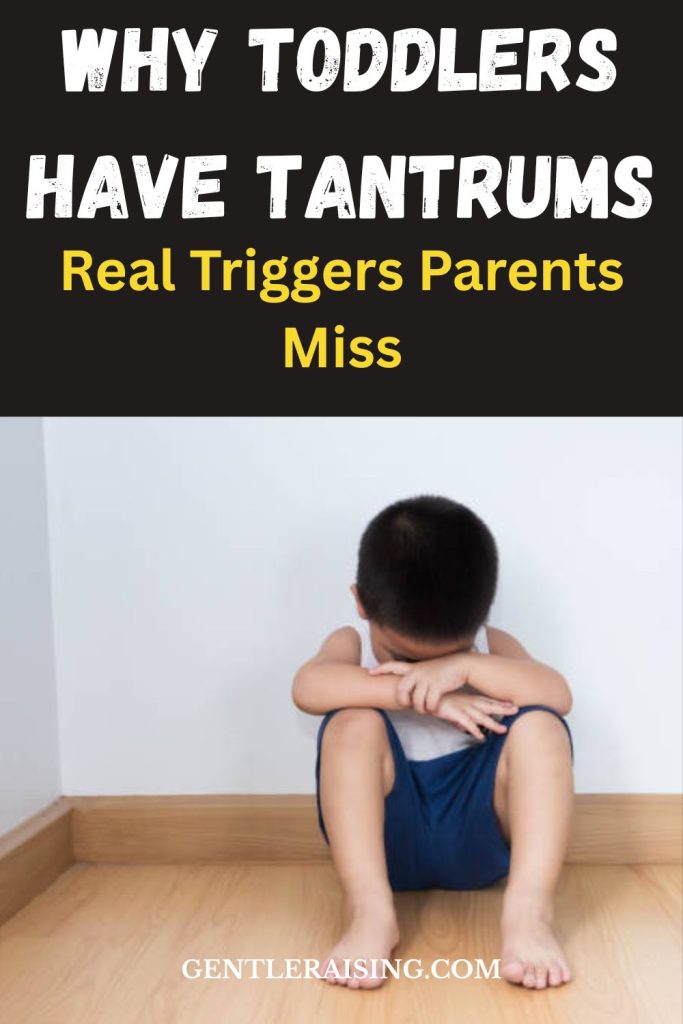
Picture this: you’re at the grocery store, juggling a basket in one hand, a coffee in the other, and your toddler is suddenly sprawled on the floor, wailing like someone just cancelled Christmas. You freeze. What just happened? Did you miss some cosmic parenting memo?
Honestly, no, you didn’t. Tantrums are part of the toddler territory, but understanding what sets them off can make the difference between a meltdown marathon and a smooth, calm afternoon.
Here’s the thing: toddlers aren’t being “difficult” on purpose. Their brains are still tiny but mighty learning machines, and emotional regulation is a skill they haven’t quite mastered yet. So let’s unpack the triggers, real, sneaky, sometimes hilarious, and figure out how to spot them before the screaming starts.
Understanding Tantrums: What’s Really Happening
Before we start labelling tantrums as “bad behaviour,” let’s get one thing straight: most of the time, they’re just an emotional hurricane meeting a tiny, underdeveloped brain. A toddler’s prefrontal cortex, the part of the brain that handles impulse control and decision-making, is still in training.
That means frustration, fatigue, and overstimulation can ignite a full-blown meltdown at the drop of a Lego.
Think of tantrums as a little warning system. They’re saying, “I can’t cope with this right now!” Sometimes, that’s because they’re hungry; other times, it’s because they’re exhausted or bored out of their tiny minds. And here’s a kicker: parental stress feeds into this, too. Kids are emotional mirrors. You tense up; they tense up. It’s like emotional Wi-Fi, good luck getting a signal in the middle of aisle seven.
So, while it’s tempting to interpret a tantrum as defiance, it’s more like an internal storm. And like any storm, recognising the clouds early can save everyone a headache, or at least a few tears.
The Sneaky Hunger & Sleep Triggers
Ever tried reasoning with a hangry toddler? Yeah… It’s like negotiating with a tiny, irrational lawyer. Hunger is one of the most common tantrum triggers, and it’s sneaky because it doesn’t just show up as a growling stomach. Low blood sugar can make your little one irritable, clingy, or suddenly antisocial with a side of rage.
Sleep, or the lack thereof, is equally brutal. Toddlers don’t have the patience to tell you they’re tired; they just crash. A 3-year-old running on two hours of nap-debt can escalate from calm colouring to floor-flopping fury in under 30 seconds. Summer heat? Winter cabin fever? Oh, those intensify the effects.
Pro tip: keep portable snacks handy, read nap cues early, and don’t underestimate the power of a 15-minute rest in the stroller. Sometimes, prevention beats negotiation.
Overstimulation: The Invisible Monster
You know that scene where your kid can survive a day in mud and puddles, but loses it in a perfectly air-conditioned Target? Welcome to overstimulation, a trigger that’s part sensory, part environmental, and totally invisible until it’s too late.
Crowds, bright lights, loud music, too many toys… toddlers’ brains can only process so much at once. When the sensory load peaks, tantrums appear like clockwork. Even things adults don’t notice, a buzzing fluorescent light, a scratchy shirt tag- can tip the scales. And here’s a fun fact: your own tension magnifies the effect. Feeling stressed? Your kid will feel it, too.
The takeaway: watch for cues, keep environments simple when possible, and remember that sometimes leaving the toy aisle for five minutes is worth a hundred tantrum negotiations.
Frustration & Inability to Communicate
Language is a superpower toddlers haven’t fully unlocked. When they can’t articulate what they need, “I want that cup!” or “Stop, too loud!”, frustration explodes into tears, yelling, or even dramatic floor flops. This is pure desperation, not manipulation.
Here’s a tip: teach gestures, basic sign language, or simple words early. Even “more,” “help,” and “all done” can make a huge difference. Imagine being trapped in your own body, trying to tell someone your favourite snack is gone, but all you’ve got is a scream. That’s your toddler, every day.
And don’t forget: tantrums over socks or shoes? Totally normal. For a toddler, not being able to control clothing is a major life frustration. (Honestly, some adults feel the same way about tight collars or itchy sweaters!)
Change & Transition Triggers
Toddlers are little routine addicts. Switch up the schedule, visit grandparents, start daycare, or even just move furniture around, and boom, the anxiety monster appears. Daylight savings? Holiday chaos? New babysitter? Yep, triggers everywhere.
Solutions aren’t always flashy. Warnings help: “In five minutes, we’re leaving the playground.” Visual schedules, countdowns, and consistent routines provide a comforting framework. And yes, it’s okay to acknowledge change stress: “I know this is different, let’s do it together.”
Parents, here’s a little reminder: You’re not alone. Change is hard at any age, and toddlers feel it magnified.
Attention-Seeking vs. Genuine Need
Not all tantrums are about hunger or exhaustion. Sometimes, kids just want your attention. But before rolling your eyes, consider context. Are they crying because you picked up your phone? Are they demanding hugs only when you’re busy?
Differentiating genuine need from attention-seeking is part observation, part intuition. A meltdown at a playground might be sensory; a meltdown during snack time might be hunger. Gentle acknowledgement is key: “I see you’re upset. Let’s fix this together.” And sometimes, a simple distraction works wonders, like magic, minus the wand.
Physical Discomfort & Health-Related Triggers
Tantrums aren’t always emotional; they can be physical. Teething, ear infections, mild fevers, and even uncomfortable clothing can spark sudden screaming sessions. Temperature matters, too: sweaty toddlers in Uganda’s heat, or over-layered kids in winter, both scenarios lead to epic meltdowns.
Look for subtle cues: tugging at ears, rubbing heads, flushed cheeks, lethargy. Address the discomfort without indulgence: soothing, redirecting, or adjusting the environment. Pain isn’t something to punish; it’s information.
Emotional Contagion: The Parent-Toddler Feedback Loop
Here’s a little parenting secret: tantrums are contagious. Parents tense up; toddlers mirror the stress. Rush, frustration, irritation, all these amplify the meltdown. But it works the other way, too. A calm, intentional parent can defuse the storm.
Take a breath. Count to five. Smile (even if forced). Your calm sets the tone. And yes, sometimes it’s a slow process, but consistency works more than panic or yelling ever could.
Subtle Environmental & Contextual Triggers
Sometimes it’s the small stuff, the kind you don’t think about. Warm or cold rooms, crowded hallways, new smells, or even lost shoes in a busy market can push your kid over the edge. Toddlers are tiny environmental sensors. They notice what adults filter out, and small irritants can snowball into major meltdowns.
A little preparation goes a long way: know your triggers, keep comfort items handy, and try to anticipate problem spots. Think of it like being a toddler weather forecaster, cloudy moods ahead, bring the umbrella of patience.
Wrap-Up: Reading the Signals Before They Explode
Tantrums are as inevitable as spilt milk, but they don’t have to feel catastrophic. Recognising hunger, sleepiness, overstimulation, frustration, and environmental triggers gives you a roadmap. You’ll still have meltdowns, parents aren’t perfect, but with observation, empathy, and a few simple strategies, many can be prevented or minimised.
Remember: your child isn’t “bad.” They’re learning to navigate a world that’s confusing, loud, and often overwhelming. Your patience, calmness, and consistent guidance teach them emotional regulation, one meltdown at a time.
You’ve got this. Honestly. And hey, if all else fails, a silly dance, a snack, or even just a long hug can remind them, and you, that the storm eventually passes.
Quick-Reference Tantrum Triggers Checklist (Optional)
- Hunger & irregular meals
- Lack of sleep/fatigue
- Overstimulation (lights, noise, crowds)
- Frustration & inability to communicate
- Change in routine or environment
- Attention-seeking behaviour
- Physical discomfort (teething, illness, temperature)
- Parent stress / emotional contagion
- Subtle environmental irritants
Parent tip: Observe, anticipate, and respond, not punish. Empathy goes a long way.