Let’s be honest, feeding a picky toddler can feel like negotiating with a tiny, highly emotional food critic.
One day they love bananas. The next day? Bananas are suddenly offensive. Personally insulting, even.
And snacks? Snacks are supposed to be the easy part. The quick win. The “at least they ate something” moment.
But if you’re here, you already know, it doesn’t always go that way.
So let’s talk about snack ideas that actually work. Not just Pinterest-pretty ideas, but realistic, parent-tested, sometimes slightly messy solutions for real life.
Why Are Toddlers So Picky Anyway?
Here’s the thing: Picky eating isn’t just your child being difficult.
It’s developmental.
Around 1–3 years, toddlers start asserting independence. Food becomes one of the easiest ways to do that.
They can’t choose their bedtime.
They can’t choose when to leave the park.
But they can refuse your carefully prepared snack plate.
And they will.
There’s also something called “food neophobia”, basically, a natural hesitation toward new foods. Evolutionarily, it kept tiny humans from eating random poisonous plants.
Today, it just means your toddler rejects perfectly safe strawberries.
Frustrating? Yes. Normal? Also yes.
Snack Time: The Sneaky Battleground
Meals get all the attention, but snacks? Snacks quietly carry a lot of weight.
They fill nutritional gaps.
They stabilise moods (hungry toddlers = chaos).
They prevent dinner meltdowns.
But picky eaters turn snack time into a game of chance.
So instead of aiming for perfection, aim for consistent exposure + low pressure.
Let me explain.
Your toddler doesn’t need to love every snack. They just need repeated, relaxed exposure to a variety of foods.
That’s how preferences slowly expand.
What Actually Works (Not Just in Theory)
Before we jump into snack ideas, here are a few principles that change everything:
- Keep portions tiny. Big servings overwhelm toddlers.
- Pair safe foods with new ones. Familiar + unfamiliar = less resistance.
- Avoid pressure. The more you push, the harder they resist.
- Think texture, not just taste. Many picky eaters reject textures first.
- Repetition matters. It can take 10–15 exposures before acceptance.
It sounds simple, but in practice? It takes patience.
A lot of it.
Easy Snack Ideas for Picky Toddlers
Let’s get into the good stuff, real snack ideas, broken down in a way that makes sense.
1. “Safe Zone” Snacks (Start Here)
These are the snacks most toddlers accept without a fight.
- Sliced bananas
- Apple slices (softened if needed)
- Plain crackers
- Yoghurt (especially mild flavours)
- Toast with butter or peanut butter
- Cheese cubes or slices
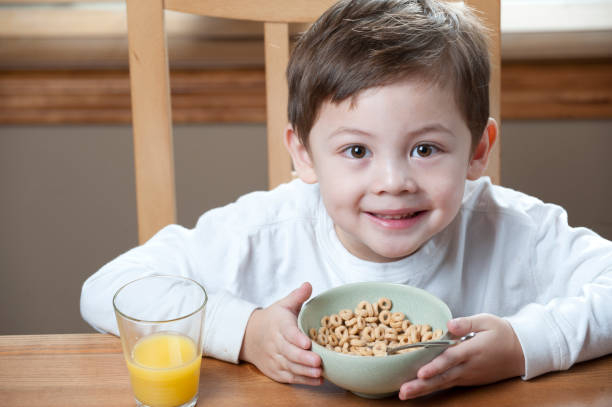
- Dry cereal (like Cheerios)
You might be thinking, “This is too basic.”
And you’re right. But here’s the trick: you build from here.
2. Slightly Upgraded Favourites
Take what they already like and tweak it, just a little.
- Banana + peanut butter drizzle
- Apple slices + yoghurt dip
- Crackers + cream cheese
- Toast + mashed avocado
- Yoghurt + a few berries mixed in
Small changes feel safer to toddlers than completely new foods.
3. Finger Foods That Feel Like Play
Toddlers love food they can hold, squish, or explore.
- Mini pancakes (great for batch cooking)
- Soft muffins (banana or carrot work well)
- Scrambled egg pieces
- Mini sandwiches (cut into fun shapes)
- Sweet potato cubes (soft and slightly sweet)
Honestly, presentation matters more than we’d like to admit.
Cut a sandwich into a star shape, and suddenly it’s… interesting.
4. Naturally Sweet (But Still Nutritious)
When in doubt, lean slightly sweet, but keep it balanced.
- Smoothies (banana + milk + peanut butter)
- Frozen yoghurt drops
- Oatmeal balls with dates
- Ripe mango slices
- Mashed avocado with a pinch of cinnamon
Sweetness attracts. Nutrition hides inside.
5. “Hidden Veggie” Snacks (Yes, It’s Okay)
There’s a lot of debate about hiding veggies.
Some say don’t do it. Others say survival matters.
Here’s a balanced approach: use it as a bridge, not a long-term strategy.
- Spinach blended into smoothies
- Carrot muffins
- Zucchini pancakes
- Sweet potato brownies
- Veggie-loaded pasta sauce (as a dip)
You’re not tricking your child, you’re introducing flavours gently.
6. Protein Snacks That Actually Get Eaten
Protein helps keep toddlers full longer (and less cranky).
- Boiled eggs (cut into halves or quarters)
- Cheese + crackers
- Yoghurt with nut butter
- Hummus with soft bread
- Beans mashed on toast
Some toddlers resist protein at first, due to texture, but consistency helps.
7. On-the-Go Snacks (Because Life Happens)
This is where things get practical.
Whether you’re running errands or stuck in traffic, snacks need to be:
- Mess-free (or at least low mess)
- Easy to pack
- Safe to eat independently
Try:
- Banana halves wrapped in foil
- Mini muffins
- Dry cereal in snack containers
- Cheese sticks
- Soft granola bars
- Apple slices with lemon to prevent browning
Honestly, having snacks ready before you leave the house can save your sanity.
The “Wait, Why Did They Eat That Today?” Moment
Here’s something every parent notices eventually
Your toddler rejects a food ten times… then suddenly eats it like it’s always been their favourite.
No announcement. No explanation.
Just today it works.
This is why repetition matters. Exposure builds familiarity, and familiarity reduces resistance.
It’s slow. It’s unpredictable. But it works.
Small Tricks That Make a Big Difference
These aren’t hacks in the viral sense. They’re subtle shifts that change outcomes over time.
1. Serve snacks at predictable times
Toddlers thrive on routine. Random snacking can backfire.
2. Sit and eat together when possible
They copy you more than you think.
3. Use neutral language
Instead of “Try this, it’s yummy,” try “This is what we’re having.”
It removes pressure.
4. Keep snacks simple
Too many options can overwhelm.
5. Let them play (a little)
Touching, squishing, even licking food, it’s part of learning.
When Nothing Works (Because That Happens Too)
Some days, your toddler will eat three bites of something and call it a day.
Other days, they’ll survive on crackers and vibes.
And you’ll wonder if you’re doing something wrong.
You’re not.
Zoom out. Look at intake over a week, not a single day.
Toddlers are surprisingly good at self-regulating when given consistent options.
A Quick Word About “Healthy”
It’s easy to fall into the trap of trying to make every snack perfectly balanced.
But here’s the reality:
A snack doesn’t need to do everything.
Some snacks provide energy.
Some provide nutrients.
Some just get their toddler through the afternoon without a meltdown.
And that counts.
Final Thoughts (From One Realistic Perspective)
Feeding a picky toddler isn’t about finding the perfect snack.
It’s about showing up, offering options, and letting go, just a little control.
Some days will feel like wins. Others won’t.
But over time, those tiny exposures, those small efforts, they add up.
And one day, without warning, your toddler might reach for something new and actually eat it.
No applause. No big moment.
Just quiet progress.
And honestly? That’s how it usually goes.