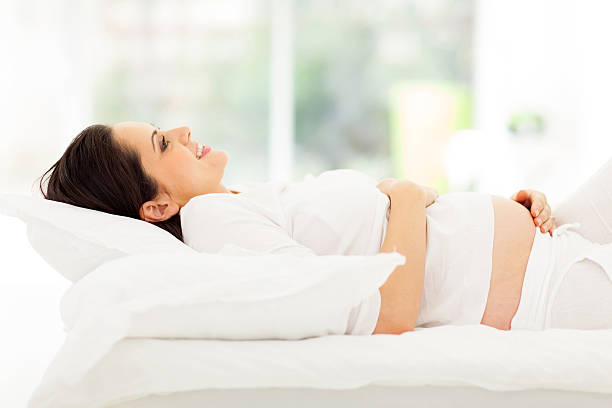
That moment when sleep suddenly feels… complicated
Pregnancy has a way of turning ordinary things into quiet debates. Coffee. Cheese. Baths that feel a little too hot. And yes, sleep.
You lie down at night, finally tired enough to rest, and a question sneaks in: Wait… am I allowed to sleep on my back anymore?
If you’ve asked that, even once, you’re not alone. New mothers, experienced parents, and the partners watching from the sidelines all circle this topic eventually. Back sleeping sounds harmless. It was harmless once. Then pregnancy shifts the rules, and nobody sends a memo that feels calm or clear.
Here’s the thing. Sleeping on your back during pregnancy isn’t an emergency. It’s not a moral failing. But after a certain point, it does come with real considerations worth understanding, without panic, without guilt, and without medical jargon overload.
Let’s walk through it together.
A quick, human anatomy refresher (promise this won’t feel like school)
Pregnancy changes your body in obvious ways: your belly grows, your centre of gravity shifts, and your joints loosen. But some of the biggest changes happen quietly, inside.
As your uterus expands, it becomes heavier. By the second and third trimesters, it’s no longer a small organ tucked neatly into place. It’s a powerful, space-sharing presence.
When you lie flat on your back, that weight can press on a major blood vessel called the inferior vena cava. That vein is responsible for carrying blood from your lower body back to your heart. Think of it like a busy highway. Pressure slows traffic.
Slower blood flow can mean:
- Less blood returning to your heart
- Reduced circulation to the placenta
- Lower oxygen delivery to your baby
You don’t feel all of that happening. But your body notices.
And that’s where the conversation around back sleeping begins.
So… is sleeping on your back during pregnancy actually risky?
Short answer? After mid-pregnancy, yes, consistently sleeping on your back isn’t recommended.
Most healthcare providers begin raising the topic around 20 weeks, sometimes earlier. Not because something suddenly “goes wrong” at that exact moment, but because the uterus reaches a size where pressure effects become more likely.
Here’s what matters:
- Occasional back sleeping (like waking up on your back) isn’t dangerous.
- Prolonged, habitual back sleeping later in pregnancy can increase certain risks.
Guidelines didn’t always sound this way. Years ago, advice was softer, even vague. But as studies improved and fetal monitoring became more precise, patterns emerged. Nothing dramatic. Just consistent enough to matter.
That brings us to the risks, real ones, explained without fear.
The 4 risks of sleeping on your back during pregnancy
1. Reduced blood flow to your baby
This is the core issue that everything else connects back to.
When the inferior vena cava is compressed, blood flow slows. That can reduce how efficiently oxygen and nutrients reach the placenta. Most bodies compensate for short periods. Over long stretches, compensation becomes harder.
It’s a bit like sitting on a garden hose. A quick press? No big deal. Leave it there for a while, and the flow changes.
This doesn’t mean your baby is suddenly unsafe if you roll onto your back. It means side sleeping supports better circulation, especially during long overnight stretches.
2. Dizziness, nausea, and that breathless feeling
Some pregnant people notice this before anyone explains it.
You lie on your back and suddenly feel:
- Lightheaded
- Short of breath
- A little sweaty
- Slightly nauseous
That’s called supine hypotensive syndrome, and it’s your body’s way of saying, “Hey, this position isn’t working for me right now.”
Not everyone experiences it. Some feel it immediately. Others never do. But if you’ve ever had that uneasy, floaty feeling while lying flat, your body already gave you the memo.
3. Increased swelling and blood pressure strain
Back sleeping can also affect circulation in your legs and pelvis. Over time, that may contribute to:
- More pronounced swelling in the feet and ankles
- Increased pressure in blood vessels
- Greater discomfort by morning
Is this the only cause of swelling? No. Pregnancy itself invites fluid retention. But position matters more than people expect, especially if you’re already prone to edema or blood pressure changes.
4. A possible link to stillbirth (explained carefully)
This is the hardest point to talk about, and the easiest to misunderstand.
Some large studies have found an association between prolonged back sleeping in late pregnancy and higher rates of stillbirth. Not causation. Association.
That distinction matters.
Stillbirth remains rare. Many factors contribute to risk. Back sleeping is one piece of a much larger puzzle, not a single cause.
Healthcare providers mention this link not to scare, but to encourage safer sleep habits that are simple and within your control.
Side sleeping is one of those habits.
“But I keep waking up on my back”, why does this happens
Honestly? Because you’re human.
Sleep isn’t a fixed position. It’s a cycle. You move. You shift. You float in and out of deeper stages without realising it.
If you fall asleep on your side and wake up on your back, that does not mean you failed. It means your body rolled during REM sleep. Very normal.
What matters most is:
- How do you fall asleep
- What position do you return to when you wake
Think direction, not perfection.
Left side, right side, does it really matter?
You’ll hear a lot about left-side sleeping, and yes, it has benefits.
The left side:
- Improves blood flow to the placenta
- Reduces pressure on the liver
- Supports kidney function and fluid balance
But here’s the nuance people forget to mention.
Right-side sleeping is also safe.
If your hips ache on the left.
If reflux flares up.
If your baby seems to protest one side more than the other.
Switching sides is fine. Better than forcing discomfort and ending up flat on your back anyway.
9 comfort tips that make side sleeping actually doable
Let’s get practical. Because advice without comfort doesn’t last.
1. Invest in a pregnancy pillow (or build one)
Full-body pregnancy pillows exist for a reason. Brands like PharMeDoc or Leachco aren’t luxury items; they’re sleep tools.
If that’s not an option:
- One pillow between knees
- One behind your back
- One under your belly
That back pillow matters more than you think. It stops the unconscious roll.
2. Try the “tilted back” compromise
If full side sleeping feels unbearable, a slight tilt can help.
Place a pillow or folded blanket under one side of your back. You’re not flat. You’re not fully sideways. Circulation improves.
It’s not all-or-nothing.
3. Stretch your hips before bed
Tight hips pull you into uncomfortable positions.
A few minutes of:
- Gentle hip circles
- Figure-four stretches
- Prenatal yoga poses
…can reduce that restless, toss-and-turn feeling.
4. Adjust your mattress expectations
Pregnancy changes pressure points. What once felt supportive might now feel punishing.
Some people benefit from:
- Mattress toppers
- Firmer surfaces
- Sleeping closer to the edge for easier side support
This isn’t about buying something new. It’s about noticing what hurts and responding.
5. Manage reflux strategically
Heartburn loves back sleeping. Side sleeping, especially left, often helps.
Other small tweaks:
- Avoid heavy meals late
- Elevate your upper body slightly
- Keep water nearby, not chugged
Comfort reduces position battles.
6. Use nighttime wake-ups wisely
Bathroom breaks happen. When you get back into bed, reset your position intentionally.
Don’t flop. Arrange the pillows again. It takes 30 seconds and saves hours.
7. Wear something that cues your body
This sounds odd, but it works.
A slightly firmer waistband, a soft robe tie, or even a textured fabric can make back sleeping less appealing subconsciously. Your body notices.
8. Ask your partner for help, yes, really
Partners often feel useless during pregnancy discomfort. This is something concrete they can do.
They can:
- Help arrange pillows
- Gently nudge you if you roll
- Take over nighttime setup
Sleep is a shared environment.
9. Permit yourself to adjust nightly
What works one week may fail the next. That’s not inconsistency, it’s pregnancy.
Stay flexible. Stay curious. Stay kind to yourself.
Special cases: when sleep advice needs tweaking
If you deal with:
- Chronic back pain
- Pelvic girdle pain
- Sleep apnea
- Anxiety-related insomnia
…talk to your provider about modifications. Sometimes extra monitoring or specific positioning strategies make a difference.
No one-size solution applies here.
When to bring this up with your healthcare provider
Reach out if you experience:
- Persistent dizziness when lying down
- Shortness of breath at rest
- Sudden swelling with headaches
- Ongoing sleep deprivation
These aren’t things to power through quietly.
The bigger picture: sleep, stress, and pregnancy guilt
Here’s something nobody says enough.
You do not get bonus points for suffering quietly.
Pregnancy already demands enough, physically, mentally, and emotionally. Sleep is survival right now. Not optimisation. Survival.
Side sleeping is about support, not control. About stacking odds gently in your favour, not obsessing over every movement.
If you wake up on your back, you roll over. That’s it. No spiral. No shame.
A gentle closing thought
You’re growing a human. That’s not passive work. It’s active, constant, and deeply physical, even when you’re asleep.
So arrange the pillows. Find your side. Breathe.
And remember: doing your best, consistently, counts more than doing anything perfectly.