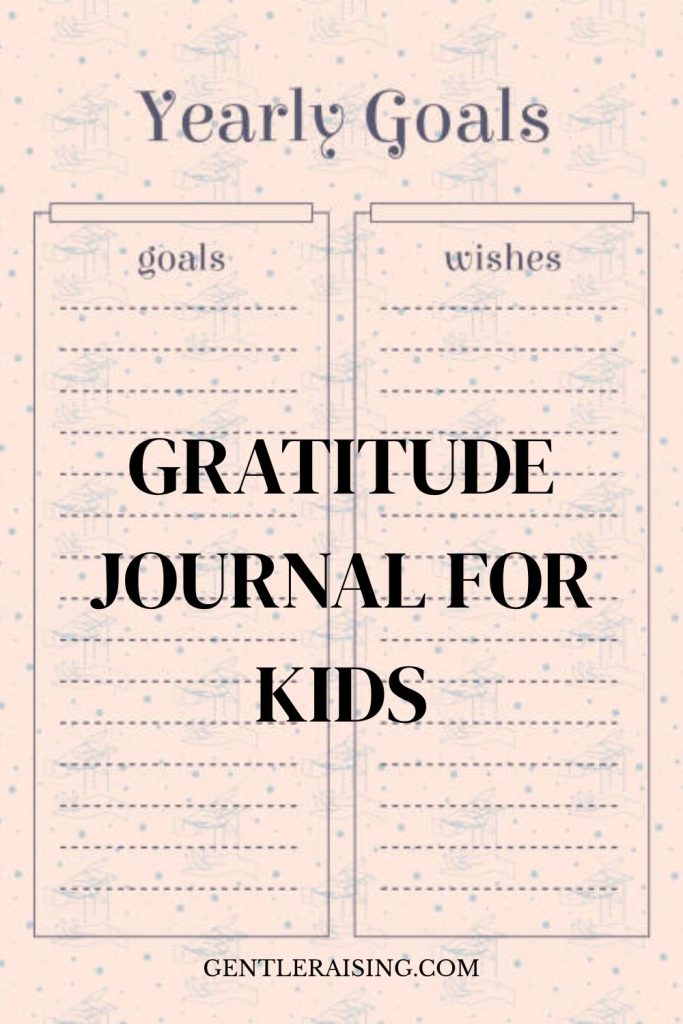
Gratitude as New Year Magic: A Printable Journal for Kids (and Their Parents)
Can I tell you a little secret? The moment I handed a blank, printed-out journal to my daughter and said, “Let’s write down three things we’re grateful for today,” I didn’t know if she’d scoff, doodle something random, or actually write. But she did it, slowly, with pen strokes, pausing between words, thinking. And in that pause, something shifted.
That’s the kind of magic I’m talking about.
As we step into a new year, full of hopes, worries, and open pages, a printable gratitude journal for kids is more than a cute idea; it’s a tool, a ritual, an anchor. You, as a parent (new or seasoned), can ride that wave with them. Trust me: you’ll find yourself changed, too.
Why Kids & Gratitude, And Why Now?
You might wonder: “Does my child really get gratitude? Isn’t gratitude a grown-up thing?” Actually, no. Kids have an innate capacity for wonder. They see a sunrise, they wonder, they feel. What they don’t always have is scaffolding: a framework, a habit, a permission slip to stop, reflect, name what matters.
When you invite a child to name something they’re thankful for, you’re:
- Strengthening emotional vocabulary (they begin to say I feel thankful for…, I appreciate…)
- Building resilience (they learn to find light even when things are dim)
- Forging connection (you see their inner world; they see yours)
- Creating memory anchors (your entries become time capsules)
For you, the parent, this is gold. Amid diaper changes, bursts of tears, toddler messes, school pick-ups, the gratitude journal is a pause button, a moment to step out of reflexive routine and say, Hey, look at that small miracle over there. You name it; you see it. You share it.
Also: starting on January 1 (or soon thereafter) feels like a psychological reset. The blank pages mirror the blank calendar. It’s not magic, exactly, but it’s hopeful. It’s a promise.
What Do I Mean by “Printable” Gratitude Journal?
Printable = tangible. Downloaded, printed, bound (with staples or a binder), maybe decorated, tucked under a child’s pillow or placed by the breakfast nook.
Why printable, versus digital? A few reasons:
- Sensorial connection: holding paper, choosing your pen colour, colouring margins, sticking in a leaf — the physicality deepens the experience.
- Screen-break: Kids (and adults) are already so glued to screens; this is an analogue counterpoint.
- Flexibility and customizability: You can insert pages, rearrange, and adapt. Add your own illustrations; skip pages; tailor.
- Memory artefact: Years later, when you pull it out, it smells like paper, feels familiar, more visceral than a file.
So when I say “printable gratitude journal,” I really mean: a gentle, hand-held structure for ripple effects of intention and reflection.
What to Include. With Purpose (Not Just Because It Looks Nice)
You don’t need extravagance. In fact, simpler is better. Here’s what I recommend — and why.
Prompts + Free Space
- Prompts: A guiding question or starter (e.g. “Today I felt grateful for…”). They give structure so your child isn’t stranded staring at a blank page.
- Free space: Let them draw, scribble, doodle, or write anything. Sometimes the drawing is the gratitude more grateful than words.
Thematic Categories (rotating or mixed)
It’s good to gently rotate themes to avoid repetition and to stretch their perspective. Some example themes:
- People (family, friends, teachers)
- Nature (sky, wind, trees, water)
- Small daily things (a warm blanket, a good meal, a laugh)
- Challenges turned blessings (what was hard, how I grew)
- Dreams or hopes (what I look forward to)
You don’t need to use all themes in one week; you can cycle them monthly or randomly sprinkle.
Layout Tips
- Space for drawing: Always reserve a box or blank region.
- Lines vs. free area: Younger children may prefer space to scribble; older kids may like lines.
- Stickers or prompts icons: Little smiley faces, stars, hearts, and visual cues make the pages more inviting.
- Margins for “extras”: You can leave margin space for “bonus gratitude” or for the parent to write a short note.
- Monthly summary page: At the end of each month, a page to reflect: “What surprised me this month?” “What I want more of next month.”
Weekly or Daily Structure
You can choose to do this daily or several times per week. Daily is ideal, but consistency matters more than frequency. Even 3 entries per week is powerful.
E.g.:
- Daily page: space for 1–3 gratitudes, drawing, optional “best moment” line.
- Weekly wrap-up: A short reflection, highlight of the week.
- Monthly review: A page to consolidate, celebrate, and set small goals.
You don’t need 300 pages — even 52 pages (one per week) is enough to carry intention through the year.
How Parents Can Ride the Gratitude Wave (Without Burning Out)
One mistake is thinking: This is for the kids. But the real alchemy happens when you, the parent, lean in too.
A Family Gratitude Ritual
Pick a time: at breakfast, at dinner, before bed. Ask:
- “What’s one thing you felt grateful for today?”
- You go first. Model vulnerability. (Yes, even if you’re exhausted: “I’m grateful for that quiet 10 minutes just now while you napped.”)
Over time, you’ll see your child waiting for your turn, leaning in, asking, and that becomes bonding.
Use It as a Conversation Starter
Sometimes a prompt leads to a deeper conversation:
Child: “I’m grateful for the swings at school.”
You: “Oh, that’s cool, what did swinging feel like today? Was it windy? High?”
These micro-questions expand their emotional awareness and deepen their connection.
Keep Yourself Honest
Don’t pressure perfection. If you miss a day, don’t beat yourself up. Leave a sticky note in your journal X-page: “Mom was tired, but will try again tomorrow.” That’s honest. That’s real.
Sometimes I write, “I forgot today, but I remembered how it felt when my son said thank you for breakfast.” Even reflecting on missing it can be gratitude.
Use Tools You Already Love
- A colored pen set (say, Staedtler, Crayola, Tombow)
- Washi tape or decorative stickers
- A binder or ring to clip pages
- Reminders: phone alarm, sticky note, habit tracker
Just embed this into your existing rhythms, don’t reinvent your whole life.
Sample Prompts & Ideas (Printable-Friendly)
Below is a treasure trove of prompts you can drop into your printable journal. Mix and match, pick ones that resonate. (Feel free to adapt, modify, throw away ones that don’t feel right.)
Prompts for Younger Kids / Early Writers (age ~4–8)
- Today, I am thankful for
- A kind thing someone did for me
- I felt happy when
- A sound I loved today
- My favourite thing I saw
- Something yummy I ate
- A hug or tou, ch I liked
- One thing I want to say “Thank you” to (and to whom)
- I helped someone by
- Something funny that made me laugh
Prompts for Middle Childhood (age ~8–12)
- Three small things that made me smile today
- A challenge I overcame (or tried)
- Something new I noticed
- A person I admire and why
- Something about nature I appreciate
- favourite moment from today
- Something I used to not like but now do
- A letter (in my mind) to someone I’m grateful for
- If I had one extra hour today, I’d use it for…
- Something about m,,e I feel grateful for
Older / Reflective Prompts (tweens, or parent–child shared pages)
- A lesson I learned from a struggle
- What hope means to me
- One thing I’d like more of next month
- Brightest memory of this week
- A dream or hope I carry
- What kindness looks like to me
- A day I’d like to revisit
- Someone I’d like to thank (even if I haven’t yet)
- A moment I want to remember forever
- If I could give someone gratitude, I’d say…
You can also mix in “bonus prompts”:
- Draw a gratitude map: a page where you draw (or collage) things you feel grateful for, people, objects, and places.
- Gratitude chain: write one gratitude, then write another connected to it, another, and see how far the chain goes.
- Gratitude photo insert: glue or tape in a printed photo or a little cutout connected to the prompt.
As you build your printable pages, sprinkle from these. You might rotate “people, nature, self, challenge” themes so the child’s perspective broadens.
When Resistance or Inertia Creeps In
Here’s a truth: Some days your child might groan. Some days you might groan. That’s fine. That’s normal. What matters is how you respond to that resistance.
If the child says, “I don’t want to”:
- Offer choice: “Do you want to draw your gratitude instead of writing it?”
- Keep it very short: “One word, one line, that’s fine.”
- Be playful: “Let’s pretend our pens are magic, what grateful word does it write?”
- Model yours: “I’ll write one, you write one, or draw, your pick.”
If you feel too tired or burnt:
- Short circuit: write just one line or bullet point.
- Use a sticky note instead of a full page.
- Reflect: Why do I want to do this? Let that reconnection re-motivate you.
- Pair it with something you already do (make coffee, bedtime, lullaby).
Keeping momentum
- Use a calendar or habit tracker: mark the days you journal, see streaks.
- Reward small, a special sticker, a bit of extra cuddle time.
- Invite the child to be your “reminder buddy”; they remind you to write; you remind them.
The key: consistency over perfection. Some entries will be bland; some will be magical. That’s life.
Gratitude Past the New Year: Growing Beyond 52 Pages
Starting at the New Year is wonderful. But what if by June, both of you feel stuck or bored? Here are ways to extend and deepen the practice.
Seasonal & Thematic Inserts
- Spring: Gratitude for rebirth, blossoms, rain, new growth
- Summer: Gratitude for sunlight, play, freedom
- Autumn: Gratitude for change, harvest, cosy things
- Winter: Gratitude for warmth, rest, family
You can insert “seasonal reflection pages”, e.g. “What surprised me this spring?” or “What did I let go of this autumn?”
Mid-Year & Year-End Reflection
At mid-year (June/July) and again at year-end:
- Review past entries: read a few pages, reflect on what changed
- Ask meta-questions: “What patterns do I see?” “What gratitudes came most often?” “What do I want to carry forward?”
- Create a “gratitude collage” page: paste photos, draw, write words.
Expanding: Family, Community, Challenges
Encourage entries about:
- Community & kindness: acts of service, neighbours, helping others
- Difficult times turned gifts: times when something tough gave you insight
- Hope & dreaming: gratitude for what you hope will come
- Legacy & memory: invite older family members to contribute gratitudes, pass around the journal
Over time, your journal becomes not just a kid’s exercise, it becomes a shared family archive.
Getting Started Today: Your Call to Action
You don’t need perfection or a full design package to begin. Here’s how to begin right now:
- Pick a simple template (or sketch one on paper)
— One gratitude line, one drawing box
— One prompt per day
— A weekly wrap-up page - Print out a few pages (even 5–10)
— Use plain A4, or smaller sizes
— Clip them, staple, and bind in a folder - Choose a time
— At breakfast? Before bed?
— Put it on your daily checklist - Explain it to your child (or children)
“I got us something, we’ll each write or draw one thing we’re thankful for. We’ll do it for a while and see how it feels.” - Start. Even if it’s awkward.
— Your first entry can be simple: “Today I’m glad for sunshine.”
— Let it evolve
And here’s the thing: your first weeks will feel awkward or scattered. That’s okay. Keep going. The habit, over time, gives you fruit you can’t predict.
Final Thoughts (Because I Kind of Needed to Say Them)
Raising children, especially as new mothers, fathers, or parents of young ones, is messy, unpredictable, exhausting, beautiful work. We balance diapers and devotion, snacks and spats, tears and laughter. Amid that swirl, gratitude journaling, especially with kids, is a kind of gentle anchor. It doesn’t fix everything. It doesn’t erase the tantrums or the fatigue. But it reminds. It slows. It gives voice to wonder, to memory, to what feels true.
If your child baulks, don’t force it. Give space. But keep offering it. If you falter, forgive yourself. If some pages are blank, that’s okay. Even blank pages make space for possibility.
A journal begun today might become a family heirloom. Years from now, you and your child may flip back, read what you were grateful for at age seven, at age two, and see how hearts shifted, how perceptions changed, how love deepened.
So, let your printer hum, let the pen meet paper, and say, together: Thank you.