Pregnancy has a funny way of turning everyday nutrients into headline news. One week it’s folate. The next it’s iron. Then suddenly your doctor says, “Make sure you’re getting enough potassium,” and you’re standing in the kitchen holding a banana like it’s a medical prescription.
Honestly? That’s not far off.
Potassium is one of those quiet, behind-the-scenes minerals that doesn’t get much hype, but during pregnancy, it becomes a real workhorse. It helps your heart beat steadily, keeps your muscles moving, balances your fluids, and supports your baby’s developing nervous system. No pressure, right?
If you’re growing a human, chasing a toddler, juggling work emails, and trying to remember if you drank water today, you’re in the right place. Let’s talk about potassium in a way that feels real, practical, and doable.
No chemistry lecture. No food guilt. Just helpful guidance for parents doing their best.
First Things First. What Even Is Potassium?
Let me explain this in normal-people language.
Potassium is an electrolyte. That means it carries electrical signals through your body. It tells your heart when to beat. It helps your muscles contract. It keeps your nerves firing. It balances fluid inside and outside your cells.
Think of potassium like the traffic controller of your body. Without it, messages get delayed. Muscles cramp. Your heart rhythm can wobble. You feel off.
And pregnancy? Pregnancy puts that traffic system into rush-hour mode.
Your blood volume increases. Your kidneys work overtime. Your muscles stretch. Your heart pumps harder. Your baby starts building muscles, nerves, and organs of their own.
All of that runs on potassium.
Why Pregnancy Changes Everything (Including Your Potassium Needs)
Here’s the thing: your body doesn’t just grow a baby. It builds an entire life-support system around that baby.
Your blood volume increases by up to 50%.
Your kidneys filter more fluid.
Your muscles stretch and work harder.
Your heart pumps more blood every minute.
And every one of those systems uses potassium.
You also lose more electrolytes through:
- Increased urination
- Morning sickness
- Night sweats
- Hot flashes
- Food aversions
So even if you ate well before pregnancy, your usual intake might not be enough now.
You know what? Many women don’t even realise they’re running low until leg cramps wake them up at 2 a.m. or their heart starts doing that weird flutter thing.
Low Potassium: The Subtle Signs Nobody Warns You About
Low potassium (called hypokalemia if we’re being clinical) doesn’t always show up loudly. Sometimes it whispers.
You might notice:
- Leg cramps, especially at night
- Muscle weakness
- Fatigue that feels deeper than normal pregnancy tiredness
- Heart palpitations
- Constipation
- Dizziness
- Swelling that doesn’t quite make sense
And here’s the tricky part: most of these sound like “normal pregnancy stuff.”
So they get brushed off.
But when potassium is low, your body struggles to regulate fluids and muscle contractions. That can affect circulation, digestion, and even blood pressure.
Not dramatic. Just uncomfortable. And unnecessary.
How Much Potassium Do You Actually Need?
Let’s keep this simple.
Most pregnant adults need about 2,900 to 3,000 milligrams of potassium per day.
That’s not a small number. For comparison:
- One medium banana has about 420 mg
- One cup of cooked spinach has about 800 mg
- One baked potato has about 900 mg
So yes, it adds up quickly, but only if you’re eating intentionally.
The good news? Potassium is in real food. Everyday food. Comfort food. The kind you probably already like.
Food First: Why Your Plate Matters More Than Pills
Supplements have their place. But potassium supplements are tricky.
High-dose potassium pills can irritate the stomach. They can interact with blood pressure medications. And too much potassium can be just as dangerous as too little.
That’s why most doctors recommend getting potassium from food first.
Food gives you:
- Fibre (hello digestion)
- Vitamin C
- Folate
- Magnesium
- Iron
- And a whole orchestra of micronutrients that work together
Real food works like a well-run team. Supplements work like a solo act.
Both matter. But the team usually wins.
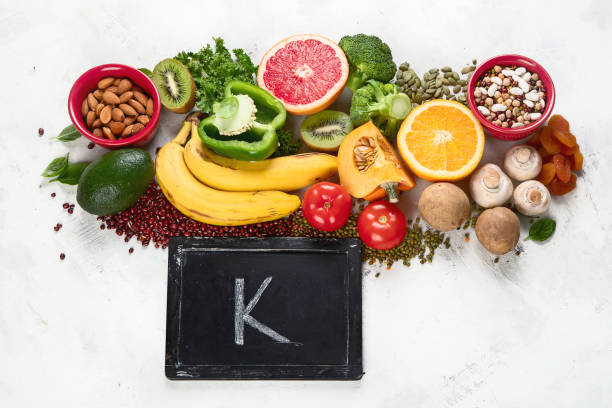
The Pregnancy All-Stars: Top Potassium Foods
Let’s talk about the real MVPs. These are the foods that quietly show up every day and do their job.
1. Bananas (Yes, They Deserve the Hype)
About 420 mg per medium banana.
They’re portable. They’re gentle on the stomach. They’re easy when nausea hits. They’re nature’s snack bar.
Add peanut butter, and you’ve got protein plus potassium. That’s a power move.
2. Potatoes (The Comfort Food Hero)
One baked potato with skin: around 900 mg.
White potatoes. Sweet potatoes. Mashed. Roasted. Air-fried. They all count.
And honestly, if pregnancy has you craving carbs, this is a win-win.
3. Avocados (The Creamy Multitasker)
About 700 mg per avocado.
They’re loaded with healthy fats, fibre, and potassium. They help with constipation. They keep you full. They make everything taste better.
Toast. Salads. Smoothies. Tacos. You name it.
4. Spinach and Leafy Greens
One cup of cooked spinach: around 800 mg.
Also rich in iron and folate, two nutrients every pregnant woman’s body needs more of.
If salads feel boring, sauté them with garlic and olive oil. Toss into pasta. Blend into smoothies.
5. Beans and Lentils
White beans: about 1,000 mg per cup
Lentils: about 730 mg per cup
Protein. Fiber. Iron. Potassium.
They stabilise blood sugar and keep you full for hours. Which matters when you’re suddenly starving every two hours.
6. Yoghurt
One cup plain yoghurt: about 570 mg.
Add fruit. Add honey. Add granola. Add whatever makes it appealing at 6 a.m. when you’re half-awake and starving.
7. Oranges and Orange Juice
One orange: about 240 mg
One cup of juice: about 500 mg
Hydrating, refreshing, and gentle on the stomach when nausea strikes.
8. Coconut Water
About 600 mg per cup.
Nature’s sports drink. Especially helpful if you’re dealing with vomiting, diarrhoea, or dehydration.
Just watch the added sugars in bottled versions.
Building Potassium Into Your Day (Without Overthinking It)
You don’t need a spreadsheet. You need habits.
Here’s what that might look like:
Breakfast
- Greek yoghurt with banana and honey
- Whole-grain toast with avocado
- Smoothie with spinach, frozen mango, and coconut water
Lunch
- Lentil soup with whole-grain bread
- Baked potato topped with cottage cheese
- Bean salad with olive oil and lemon
Snack
- Orange slices
- Trail mix with dried apricots
- Banana with peanut butter
Dinner
- Salmon with roasted sweet potatoes
- Chicken, rice, and sautéed spinach
- Veggie stir-fry with edamame
You see the pattern? Real food. Familiar food. Comfort food.
The Myths That Trip Parents Up
Let’s clear a few things up.
Myth 1: Only bananas have potassium.
Nope. They’re just the loudest about it.
Myth 2: You need supplements to meet your needs.
Not always. Most people can get enough through food.
Myth 3: More is always better.
Too much potassium can affect heart rhythm. Balance matters.
Myth 4: Processed foods help.
Processed foods are usually high in sodium, which throws potassium balance off.
When Supplements Might Make Sense
Sometimes food isn’t enough.
You might need extra potassium if you:
- Have severe morning sickness
- Have diarrhoea for several days
- Are on certain blood pressure medications
- Have gestational diabetes
- Have kidney issues (this one needs medical supervision)
Your provider may recommend a supplement or electrolyte drink.
And that’s okay. This isn’t about being perfect. It’s about being supported.
Real Life: What This Looks Like for Tired Parents
Let’s be honest.
Some days, eating feels like a chore. You’re nauseous. You’re exhausted. You’re emotional. You’re hungry, but nothing sounds good.
That’s normal.
On those days:
- Drink coconut water
- Eat a banana
- Have mashed potatoes
- Sip soup
- Blend a smoothie
Progress, not perfection.
And partners? This is where you shine. Keep bananas on the counter. Roast extra potatoes. Stock yoghurt. Make it easy.
Support is nutrition, too.
A Gentle Word About Cravings
Pregnancy cravings get a bad reputation. But your body is smarter than we think.
Craving oranges? Might need vitamin C and potassium.
Craving potatoes? Might need carbs and potassium.
Craving yoghurt? Might need calcium and potassium.
It’s not random. It’s feedback.
Listen with curiosity, not guilt.
The Bigger Picture: Potassium Is Part of the Team
Potassium doesn’t work alone.
It partners with:
- Sodium (fluid balance)
- Magnesium (muscle relaxation)
- Calcium (muscle contraction)
- Iron (oxygen transport)
So if something feels off, cramps, fatigue, swelling, it’s often a team issue, not one nutrient.
That’s why whole foods matter. They come packaged with the full crew.
Final Thoughts for Growing Families
Pregnancy is demanding. Beautiful. Hard. Emotional. Magical. Exhausting.
Your body is building bones, nerves, muscles, organs, and a tiny heart that will beat for decades. That work deserves good fuel.
Potassium may not get the spotlight, but it keeps the show running.
So eat the banana. Roast the potatoes. Add the avocado. Sip the coconut water. Trust your body. Feed it well.
You’re not just eating for two. You’re building a future.
And honestly? You’re doing great.