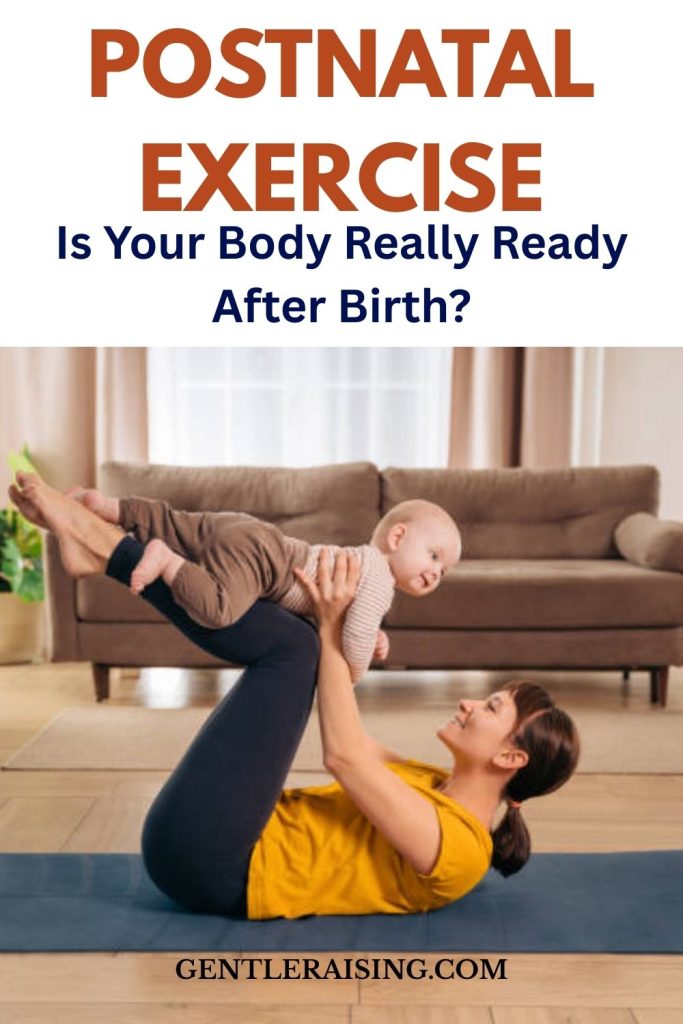
The question usually arrives quietly.
Not in the doctor’s office. Not even during pregnancy. It slips in while you’re rocking a baby at 3 a.m., scrolling on your phone with one hand, half-asleep, half-curious. Someone is jogging. Someone else is doing planks. A caption flashes by: “Six weeks postpartum and finally back!”
And you think, wait. Am I supposed to be doing that already?
Or… is my body even ready?
Honestly, postnatal exercise isn’t really about squats or yoga mats. It’s about trust. Trusting a body that feels familiar and foreign at the same time. Trusting yourself not to rush, but also not to disappear into exhaustion.
Let’s talk about that space in between.
Why Postnatal Exercise Feels So Confusing
Here’s the thing: new parents are surrounded by mixed messages.
On one side, there’s medical caution. “Rest.” “Take it slow.” “Six weeks minimum.” On the other hand, there’s cultural pressure, subtle but sharp. Photos, comments, even well-meaning relatives asking when you’ll “get back into shape.”
So which voice do you listen to?
Part of the confusion comes from treating postpartum bodies like they’re on a universal schedule. They’re not. Birth isn’t a factory process. It’s more like weather, similar patterns, wildly different outcomes.
And then there’s guilt. Guilt for wanting to move. Guilt for not wanting to. Guilt for caring about your body when you’re supposed to be caring about a baby. It’s a lot.
Let me explain what “ready” actually means, without drama or unrealistic timelines.
What Does “Ready” Even Mean After Birth?
Medically speaking, readiness is about healing. Tissue repair. Hormonal shifts. Muscles reconnecting. Systems stabilising.
Emotionally? Readiness can look totally different.
You might feel physically fine but mentally foggy. Or emotionally steady but physically weak. Or none of the above, just tired. Bone-deep tired.
And that counts.
Your body doesn’t flip a switch at six weeks postpartum. That checkup is a milestone, not a magic reset. Think of it like being cleared to begin paying attention, not cleared to perform.
A Quick, Honest Look at the Postpartum Body
Pregnancy and birth affect more than your belly.
Your core stretches. Your pelvic floor absorbs pressure that it was never meant to handle repeatedly. Ligaments soften thanks to hormones that don’t disappear overnight. Blood volume shifts. Organs move, yes, actually move, then slowly return.
Even your feet may change size. That one surprises people.
None of this means your body is broken. It means it worked very hard.
And hard-working systems need recovery time, not punishment disguised as fitness.
Vaginal Birth or C-Section: Different Stories, Same Rule
Sometimes the conversation splits here, as if one experience is “easier” to recover from.
It’s not that simple.
A vaginal birth can involve tearing, pelvic floor trauma, or nerve strain. A C-section is a major abdominal surgery with multiple tissue layers healing at once.
Different challenges. Same bottom line: neither path benefits from rushing.
Pain isn’t the only signal to watch. Lack of control, heaviness, sharp fatigue, or that unsettling “something’s not right” feeling deserve attention too.
The Pelvic Floor: The Unsung Middle Manager
You don’t see it. You rarely think about it until it’s overwhelmed.
The pelvic floor supports your bladder, bowels, uterus. It stabilises your core. It helps with posture and breathing. It also takes a hit during pregnancy and birth.
Jumping, running, and heavy lifting, these increase pressure downward. If the pelvic floor isn’t ready, it compensates poorly.
That’s when leaks, pain, or prolapse symptoms can show up. Not because you did something wrong. Because timing matters.
Small muscles. Big job.
Diastasis Recti, Let’s De-Myth It
Diastasis recti sounds scarier than it is.
It’s a separation of the abdominal muscles, common after pregnancy. Most people have some degree of it. The issue isn’t the gap itself; it’s whether the muscles can function together again.
Crunching too early can make it worse. So can ignoring it completely.
Gentle core engagement, breathing work, and progressive strength matter more than chasing a flat stomach. Function first. Appearance follows, sometimes. Sometimes not. And that’s okay.
Sleep Deprivation Changes Everything
You could have the strongest body in the room and still feel wrecked if you’re not sleeping.
Sleep loss affects coordination, reaction time, mood, and injury risk. It also messes with motivation. The kind of motivation that makes exercise feel doable rather than overwhelming.
So if the idea of a workout feels laughable right now, that’s not laziness. That’s biology.
Movement should support recovery, not compete with survival.
When Exercise Should Wait. No Negotiation
Some signs aren’t subtle. They’re firm boundaries.
Pause and check with a healthcare provider if you notice:
- Ongoing bleeding that increases with activity
- Pelvic pain or pressure
- Leaking urine or stool during movement
- Sharp abdominal pain
- Dizziness or chest discomfort
These aren’t moral failures. They’re data.
Listening early often prevents longer delays later.
Signs Your Body Might Be Warming Up
Readiness doesn’t announce itself with fireworks. It shows up quietly.
You might notice:
- Walking feels easier
- You can engage your core without holding your breath
- Daily movements feel more stable
- Energy rebounds slightly on good sleep days
That’s your cue to begin gently, not to test limits.
The First Phase: Movement Without Expectations
This phase isn’t flashy. It doesn’t photograph well.
Walking. Breathing. Light stretching. Simple mobility.
Honestly, walking is underrated. It supports circulation, mood, digestion, and confidence. Add a stroller, some sunlight, maybe a podcast, and suddenly it feels less like exercise and more like grounding.
Breathing matters too, slow, deep breaths that reconnect the diaphragm and core. It’s not glamorous, but it’s foundational.
Strength Training. But Softer Than You Remember
Strength after birth isn’t about max effort.
It’s about control. Balance. Stability.
Bodyweight movements. Resistance bands. Controlled tempo. Rest between sets, real rest.
If something causes pressure, pain, or fear, it’s not a challenge. It’s feedback.
There’s no prize for pushing through postpartum discomfort.
Cardio Cravings and the Urge to Run
Some parents miss running deeply. The rhythm. The quiet. The sense of self.
That longing is real and valid.
But running loads the pelvic floor heavily. Returning too soon can set back healing. Gradual progression matters. Sometimes that means months, not weeks.
Walking intervals. Inclines. Low-impact machines, if available. These can bridge the gap without burning the bridge.
Home Workouts, Gyms, and Comparison Traps
Home workouts sound convenient until you’re interrupted six times. Gyms sound motivating until you’re exhausted by the thought of leaving the house.
Neither is superior.
The real risk is comparison. Social media rarely shows warm-ups, regressions, or bad days. It shows highlights.
Your recovery doesn’t need an audience.
Exercise and Mental Health. An Overlooked Link
Movement can stabilise mood. It can also overwhelm it.
Some days, exercise feels grounding. Other days, it feels like one more demand. Both experiences are normal.
Postpartum anxiety and depression don’t always announce themselves clearly. If exercise worsens intrusive thoughts, guilt, or panic, it’s worth pausing and getting support.
Fitness is not a substitute for care.
How Partners and Families Can Help (Or Not)
Support matters. So does timing.
Helpful support looks like:
- Taking the baby so movement feels possible
- Encouraging rest without judgment
- Avoiding comments about appearance
Unhelpful support often sounds motivational but lands as pressure.
Good intentions still need awareness.
The Bounce-Back Myth, Revisited
The idea that bodies should “snap back” quickly is persistent and damaging.
Bodies don’t bounce. They adapt. They change shape. They carry history.
Strength after birth can look quieter. Slower. Deeper.
And no less worthy.
Building a Routine That Survives Real Life
Consistency doesn’t mean daily workouts.
It means realistic ones.
Ten minutes count. Walking counts. Stretching while the baby naps counts. Skipping a session because you’re fried also counts as self-respect.
Rigid plans break. Flexible ones last.
When Professional Guidance Is Worth It
Pelvic floor physical therapists. Postnatal fitness specialists. Trusted clinicians.
These professionals don’t just “fix” problems. They teach awareness. They personalise progress.
If something feels off, confusing, or stuck, support can shorten the road forward.
Redefining Fitness After Birth
Postnatal exercise isn’t about reclaiming an old body.
It’s about learning a new one.
A body that carried life. A wiser body, maybe slower, often stronger in unexpected ways.
So if you’re wondering whether your body is ready, pause. Ask gently. Listen closely.
Readiness isn’t a deadline.
It’s a conversation.
And you’re allowed to take your time.