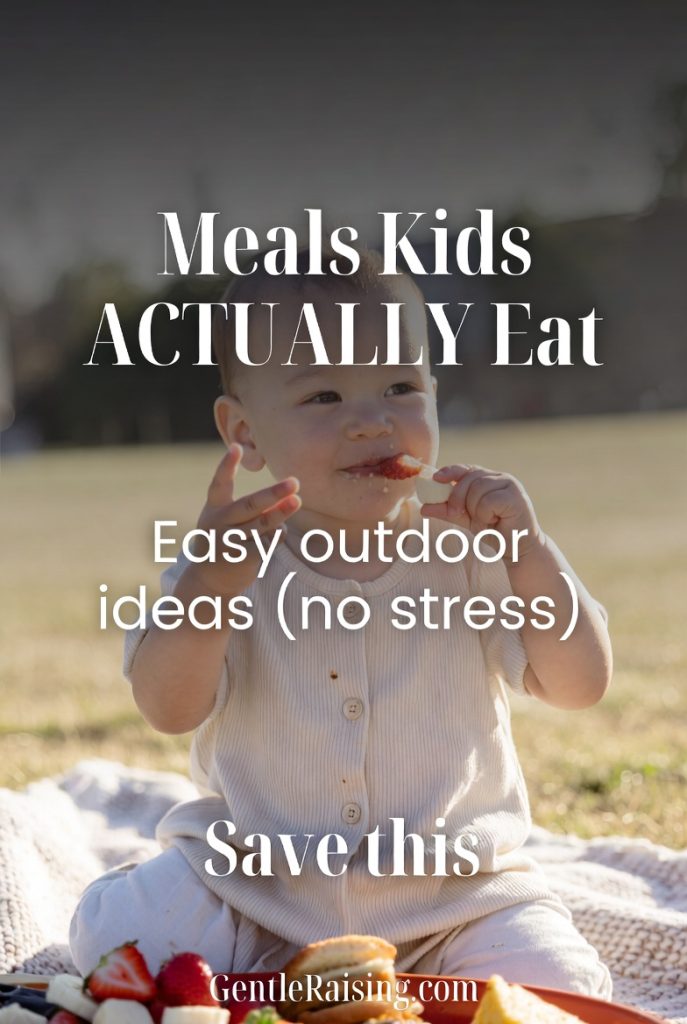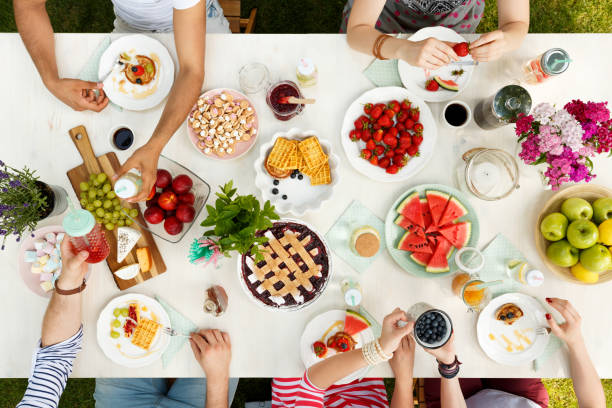
Real food, real kids, real outdoors, what could go wrong?
Let’s be honest. You spend twenty minutes putting together a beautiful, nutritious lunch, the kind that would earn nods of approval from a pediatric nutritionist, and your child takes one look at it, wrinkles their nose, and asks for crackers. Again. If that sounds painfully familiar, you are absolutely not alone.
But here’s something funny about kids: take that same meal outside, lay a blanket on the grass, hand them a little plate, let the breeze do its thing, and suddenly they’re eating. Not just tolerating.
Actually eating. There’s real science behind this, actually. Outdoor exposure improves appetite, boosts mood, and makes even the most suspicious toddler a little more adventurous. So if you’ve been struggling with mealtime battles, the backyard (or the park, or the balcony) might be your secret weapon.
This guide is packed with outdoor meal ideas for kids that work for new moms still figuring out the rhythm of it all, dads who want to be involved but aren’t sure where to start, and seasoned parents who just need fresh inspiration. We’re talking real food that real children will eat, outside, with minimal fuss.
Why Outside Changes Everything (No, Really)
Before we get into actual meals, it’s worth pausing on why outdoor eating works so well with kids. You’ve probably noticed it already, children are different creatures outside. Louder, more confident, more willing. And when it comes to food, that willingness extends to things they’d normally reject at the kitchen table.
Part of it is sensory. Outside, there’s so much competing for their attention, a bird, a leaf, the sound of a lawnmower two houses down, that the pressure of mealtime kind of dissolves. They’re not sitting across from a parent watching them eat. They’re just eating. And that shift in dynamic matters more than you might think.
There’s also the physical activity factor. Kids who’ve been running around outside tend to be genuinely hungry in a way that their sedentary, screen-time counterparts often aren’t. Hunger is the best seasoning, as they say.
A child who’s been digging in the garden or chasing a ball for an hour will eat things they’d turn their nose up at after a morning of cartoons.
So the goal isn’t just to carry food outside. It’s to build outdoor meals into a rhythm, something your kids come to associate with freedom and fun. And the meals themselves? They have to match that energy.
Picnic Lunches That Don’t Fall Apart (Literally)
A picnic with kids is not the same as a picnic with adults. Forget the charcuterie boards and the sourdough. You need food that travels well, doesn’t require cutlery if at all possible, and holds up under enthusiastic small hands. Here’s what actually works.
Mini Sandwiches and Wraps
Mini sandwiches cut into triangles or fun shapes using cookie cutters are a staple for a reason. Kids love things that are small and manageable; it feels like food made just for them, which, honestly, it is.
Try whole wheat bread with cream cheese and cucumber, or peanut butter (if allergies aren’t a concern) with banana slices. For something a little more filling, roll up a soft tortilla with turkey, cheese, and some shredded lettuce and slice it into pinwheels. They travel well, they’re easy to hold, and most kids will eat them without negotiation.
Wraps have an edge over sandwiches outdoors because they’re less likely to fall apart when the wind picks up, or a child grabs them dramatically. Use a whole wheat or spinach tortilla if you can; it adds nutrition without announcing itself.
The Snack Plate (aka the Deconstructed Lunch)
Here’s the thing about snack plates: they’re basically just a meal where everything is separate and bite-sized. And kids love them. Arrange cheese cubes, grapes, cherry tomatoes, cucumber rounds, crackers, and a small pot of hummus on a divided plate or in a bento box, and watch the magic happen. Something about the visual variety makes kids more willing to try things.
Bento-style boxes, Yumbox and OmieBox are popular picks that are worth the investment if outdoor eating becomes a regular thing for your family. They’re leakproof, portioned, and sturdy enough for a toddler to carry without disaster. They also double as a natural portion guide, which takes some of the mental load off you.
Hard-Boiled Eggs and Cheese Sticks
Protein is easy to forget in the rush of outdoor packing, but it’s what keeps kids actually satisfied and not asking for food again thirty minutes later. Hard-boiled eggs are portable, protein-dense, and most kids will eat them happily, especially if you peel them ahead of time. Pair with string cheese. Babybel wheels are another great choice, and you’ve covered a solid nutritional base without any cooking on-site.
Backyard BBQ Fare That Kids Will Actually Request
If you’ve got outdoor cooking going on a grill, a fire pit, or even just a camping stove on the patio, the meal options open up considerably. And there’s something undeniably exciting about food cooked outside. Even kids who claim not to be hungry will materialise the moment they smell something grilling.
Mini Sliders and Corn on the Cob
Mini beef or chicken sliders on small buns are a brilliant outdoor meal for kids. They’re easy to hold, easy to customise cheese, yes, pickle no, whatever the child’s current strong opinions are and cook quickly. If you’re doing beef, mix in a little grated zucchini or carrot into the patty before grilling. It doesn’t change the taste, but it bumps up the nutrition, and they’ll never know.
Corn on the cob is one of those foods that becomes an experience outdoors. Let kids butter their own corn, yes, it’s messy, yes, you’ll find butter on things later, and they’ll eat it down to the last kernel. If the cobs feel unwieldy for younger children, slice the corn off beforehand and serve it in a cup. Still delicious, fewer disasters.
Grilled Chicken Skewers with Dipping Sauce
Food on a stick is universally appealing to children. It just is. Marinate chicken breast in a simple mix of olive oil, lemon, garlic, and a little paprika, nothing spicy, nothing aggressive and thread onto skewers with bell pepper and zucchini chunks. Grill until cooked through. Serve with a mild yoghurt dip or a honey mustard sauce on the side, and you have a complete meal that feels festive.
If you’re using wooden skewers, soak them in water for thirty minutes before grilling so they don’t char. Metal skewers are reusable and more sustainable if you make this a regular thing. Either way, let the kids assemble their own skewers before cooking. It’s a surprisingly effective strategy for getting reluctant eaters to actually eat what they’ve built.
Hot Dogs The Classic, Elevated Slightly
Look, hot dogs aren’t going away. They’re easy, they’re fast, and most kids love them without requiring any convincing. If you want to feel better about serving them, choose all-beef varieties with minimal additives. Applegate Naturals makes a solid one, and pair them with sliced fruit and a side of baked beans rather than chips. That’s a surprisingly complete outdoor meal with very little effort.
You can also do a hot dog bar where kids build their own ketchup, mustard, shredded cheese, diced onions (for the adventurous ones), and maybe some jalapeños on the side for the adults. The autonomy of building their own plate makes kids feel involved, which tends to translate to eating more.
Park-Ready Meals for Families on the Go
Not everyone has a backyard. And honestly, even those who do sometimes just need a change of scenery. Park meals come with their own set of logistics: you’re packing everything in, keeping it cold or warm as needed, and managing little people who want to run off the moment you stop moving. The key is simplicity and portability.
Pasta Salad: The Underrated Hero
Cold pasta salad is one of the best park foods and doesn’t get nearly enough credit. Cook your pasta the night before, toss with olive oil, cherry tomatoes, mozzarella pearls, cucumber, olives (if your kids are into them), and a simple Italian dressing. Pack it in a cold container, and it holds beautifully for hours. No reheating, no mess, and most children will eat it without complaint because it’s pasta.
You can make this as nutritionally dense as you like, add chickpeas for protein, sneak in some spinach, or swap regular pasta for chickpea or lentil pasta. The base recipe is forgiving enough to absorb almost anything.
Thermos Meals: Warm Food in the Field
If you have a wide-mouth thermos, the Thermos Funtainer is the kid-friendly version. Stanley makes excellent adult-grade ones; you can send warm food to the park with ease. Mac and cheese, vegetable soup, rice and beans, even meatballs in tomato sauce, all travel well in a thermos that’s been preheated with boiling water for a few minutes before filling.
This is especially useful in cooler months when the idea of a cold sandwich at the park sounds less than appealing.
There’s something genuinely comforting about opening a thermos and finding warm soup when you’re sitting on a park bench in November. Kids think it’s a little magical, honestly.
Fruit Skewers and Yoghurt Dip: The Dessert That Isn’t
Thread strawberries, melon chunks, grapes, and pineapple pieces onto short skewers and pack alongside a small container of Greek yoghurt mixed with a drizzle of honey and a pinch of cinnamon. Kids treat this like dessert. It’s not, it’s fruit and protein, but let them think what they want. The skewer presentation alone makes it feel special.
Camping Meals for Kids: When Outdoor Eating Gets Serious
Camping with children is a commitment. You’re managing sleep deprivation, bug spray, the eternal question of where the bathroom is, and food all simultaneously. Simplicity is survival here. The meals that work best are ones you can prep mostly at home and finish on-site with minimal effort.
Foil Pack Meals: The Camping MVP
Foil pack meals are the great equaliser of camping cooking. You can make them with almost any combination of protein, vegetables, and seasoning, wrap everything in heavy-duty aluminium foil, and cook directly in the coals or on the grill grate.
For kids, a classic combination is diced chicken, baby potatoes, bell peppers, and corn, seasoned with olive oil, garlic powder, and a little salt. Give each child their own packet, with their name written on it in marker, if they’re old enough to appreciate the personalisation, and the whole meal becomes an event.
Foil pack cooking time varies, but most protein-and-vegetable combinations take about twenty-five to thirty-five minutes in medium-hot coals. Turn the packets halfway through and use tongs; the steam inside is genuinely hot when you open them.
Campfire Quesadillas
A cast-iron skillet over a campfire is one of the most versatile cooking setups for families. Quesadillas are fast, kid-approved, and endlessly adaptable. Fill tortillas with shredded cheese, black beans, and corn or go simpler with just cheese and a dab of salsa, and cook on each side until golden and melted. Cut into triangles.
Done. The whole process takes under ten minutes, which matters enormously when you have hungry, tired children and a fire to manage.
S’mores Because They’re Non-Negotiable
You know whats’mores deserve their own mention, not as an afterthought. They are a legitimate part of the camping meal experience, and kids look forward to them with an intensity usually reserved for birthday cake. Graham crackers, chocolate, and marshmallows are toasted over the fire.
The ritual of making them requires patience; the moment of decision about how toasted is too toasted is genuinely educational, in the loosest sense of the word. Let them burn a few marshmallows. It’s fine.
Breakfast Outdoors: Because Morning Meals Outside Hit Different
This section exists because outdoor breakfasts are wildly underrated. Eating breakfast outside on the porch, in the garden, or at a campsite sets a completely different tone for the day. Kids are often more agreeable in the morning when they’re outside. The light is softer, the air is cooler, and everything feels a little more like an adventure.
Overnight Oats in a Jar
Prep these the night before, and they’re ready to grab and go. Combine rolled oats with milk (dairy or plant-based), a little yoghurt, a drizzle of honey, and your choice of toppings: sliced banana, berries, granola, or a spoon of peanut butter.
Seal in a mason jar and refrigerate overnight. By morning, you have a creamy, filling breakfast that requires zero morning effort. Kids can eat them with a spoon straight from the jar, which feels satisfyingly low-maintenance.
Pancakes on the Portable Griddle
If you’ve never cooked pancakes outside, you’re missing something. A portable butane stove or camp stove with a flat griddle is all you need. Mix your batter at home and bring it in a sealed container, or use a good-quality mix like Kodiak Cakes if you want to simplify and cook right there on the patio or at the campsite.
Add blueberries to the batter, top with maple syrup and sliced banana, and watch your children act like you’ve performed a miracle. Outdoor pancakes just taste better. There’s no explanation. They just do.
Smoothie Packs For When Mornings Are Chaos
Prep smoothie packs ahead of time, individual zip-lock bags with frozen banana, spinach, a handful of frozen berries, and maybe some chia seeds and store in the freezer. When morning comes, dump a pack into the blender with milk or yoghurt, blend, and pour into cups to take outside. It takes four minutes. It’s genuinely nutritious. And most kids will drink a green smoothie without comment if it tastes like berries and bananas, which this does.
Drinks and Snacks: The Unsung Heroes of Outdoor Meals
No outdoor meal is complete without something to drink, and this is where parents often underestimate both need and opportunity. Kids get dehydrated outdoors faster than indoors, running around, sweating, breathing warm air, and they don’t always notice they’re thirsty until they’re cranky and uncooperative.
Water is always the right answer. Infuse it with cucumber and mint, or lemon and strawberry, to make it feel special without adding sugar. Nalgene bottles and Hydro Flask Kids versions are durable, leakproof, and hold temperature well. Bring more water than you think you need. Always.
For snacks between meals, because there will always be snacks between meals, think trail mix customised to your kids’ preferences (no nuts if allergies are a concern), individual packets of nut butter with apple slices, rice cakes, or freeze-dried fruit. GoGo SqueeZ pouches are a reliable standby for younger children who need something quick and mess-free.
Making Picky Eaters More Adventurous Outdoors
Every parent of a picky eater knows the particular exhaustion of mealtime negotiation. You’ve tried everything. You’ve hidden vegetables in things. You’ve made food into animals and faces and elaborate arrangements. You’ve bribed. You’re tired.
Here’s what outdoor eating does that indoor eating often can’t: it removes the pressure. At the dining table, mealtime has a certain weight to it; there are rules, expectations, and eyes on the plate. Outside, that weight lifts. Children are distracted in a good way. They eat more casually. And that casual eating sometimes means they try things they’d otherwise refuse.
A few strategies that work especially well outdoors: involve kids in the prep (even just letting them choose which fruit goes in the bag), make food interactive (dipping, skewering, building their own), and keep portions small enough that finishing something feels like an achievement.
Don’t make a big deal when they try something new; a quiet acknowledgement works better than applause, which can make a child self-conscious and undo the whole thing.
One more thing: eating outdoors alongside other children is enormously effective. Social eating is powerful at every age, but especially with kids. If another child is eating something enthusiastically, your child will want to try it. It’s just how it works.
Keeping It Safe: Food Temperatures and Outdoor Eating
This part matters and doesn’t get said enough. Food safety outdoors is a real consideration, especially in warm weather. Perishables, such as anything with dairy, meat, or eggs, need to stay below 40°F (4°C) until served.
A good insulated cooler with ice packs handles this easily. The Coleman and YETI lines are reliable; YETI is pricier but holds temperature significantly longer.
The general rule is that perishable food shouldn’t sit out for more than two hours, one hour if temperatures are above 90°F (32°C). If you’re at a summer park and the sun is blazing, keep food in the cooler until you’re ready to eat, and put it back after.
It sounds obvious, but in the chaos of children and sunscreen and trying to find the frisbee, it’s easy to forget that the pasta salad has been sitting there for a while.
Pack hand sanitiser or wet wipes. Kids eat outdoors with dirty hands. That’s fine, a little exposure to the natural world builds immune resilience, but a quick wipe before eating is a reasonable precaution, especially with toddlers who have an uncanny ability to find the one muddy patch in an otherwise clean park.
The Real Point of Outdoor Meals
Here’s what no one tells you when you become a parent: the meals that your children will remember aren’t the elaborate ones you stressed over at the stove. They’re the impromptu picnics, the s’mores by the fire, the mornings when you dragged a blanket onto the grass and ate cereal in your pyjamas. The setting matters more than the food.
Outdoor meals give you a built-in advantage as a parent. You’re not fighting the architecture of the dining room, the distraction of the television, or the associations children build around the table. You’re somewhere new, or somewhere familiar made new. And that newness, that sense of occasion, makes almost any food taste better.
So pack the bento box. Fire up the grill. Boil the pasta salad the night before and toss it in the cooler. Drag the blanket out. Let the kids help. Let it be imperfect, the sandwiches a little squished, the fruit slightly warm, the yoghurt dip running down someone’s arm. It doesn’t matter. You’re eating outside together, and that, it turns out, is enough.
Quick Reference: Outdoor Meal Ideas by Setting
Backyard / Patio
- Grilled chicken skewers with yoghurt dip
- Mini sliders with fruit on the side
- Corn on the cob with DIY butter station
- Snack plates / bento-style boxes
- Hot dog bar with toppings
Park Picnic
- Mini sandwiches and pinwheel wraps
- Cold pasta salad
- Thermos meals (soup, mac and cheese)
- Hard-boiled eggs with cheese
- Fruit skewers with honey-yoghurt dip
Camping
- Foil pack meals (chicken, potatoes, veg)
- Campfire quesadillas
- Outdoor pancakes on a portable griddle
- Smoothie packs (prep at home)
- S’mores obviously