What’s normal, what’s not, and why your baby’s skin is doing this
That First “Oh No” Moment
It usually happens during a diaper change.
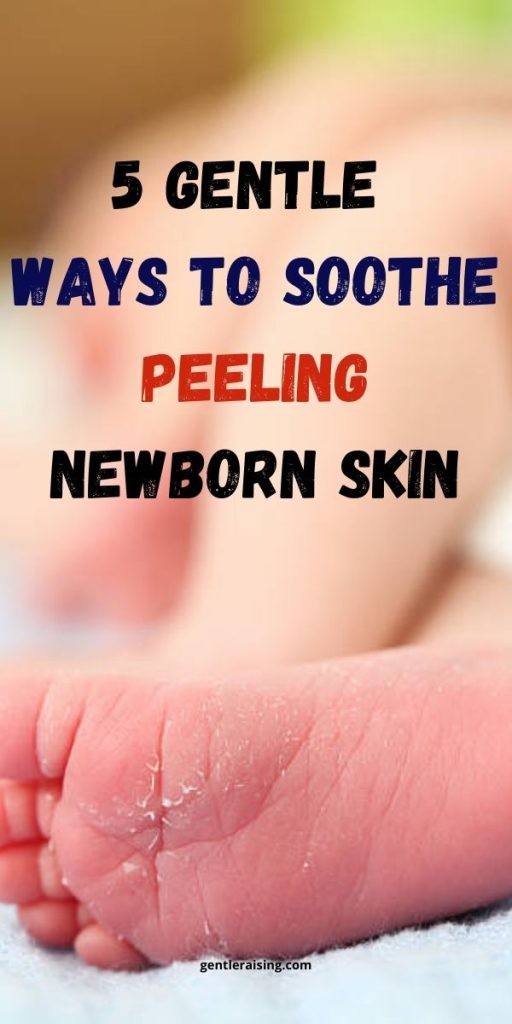
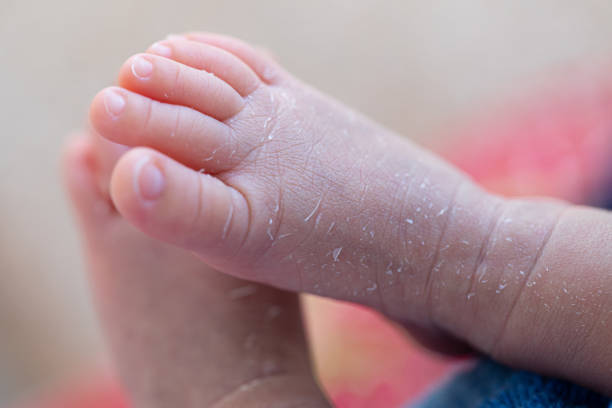
You’re doing everything carefully, wipes warm, movements slow, when you notice it. Little flakes on your baby’s ankles. Thin sheets of skin on their feet. Maybe the hands look like they’ve been in water too long.
Your brain jumps ahead. Is this dryness? An allergy? Did I bathe them too much? Not enough?
Take a breath. Newborn skin peeling is one of those things no one really warns you about, yet almost every parent meets it head-on.
And here’s the quiet truth: most of the time, it’s completely normal.
So… Is Newborn Skin Peeling Normal?
Short answer? Yes. Very.
Longer answer? Newborn skin peeling is part of a baby’s adjustment to life outside the womb. It looks dramatic. It feels unexpected. But it’s usually harmless and temporary.
That doesn’t mean it’s nothing. It just means it’s not an emergency.
Many parents assume baby skin will arrive soft and perfect, like lotion ads promise. Instead, it arrives busy, shedding, adjusting, and learning how to exist in the air.
Why Newborn Skin Peels in the First Place
Here’s the thing: most people don’t explain well.
Inside the womb, your baby’s skin lived in fluid. It was protected by vernix, that creamy white coating you might’ve seen at birth. Vernix acts like a natural moisturiser and barrier.
Once your baby is born, that environment disappears instantly.
Suddenly, skin has to:
- Regulate moisture
- Adjust to the air
- Handle friction from clothes and diapers
- Learn temperature changes
Peeling is part of that reset. Old outer layers are shed. New skin settles in.
It’s less about dryness and more about transition.
When Peeling Usually Starts (and When It Fades)
Most newborns start peeling within the first few days to two weeks after birth. For some babies, it begins almost immediately. For others, it sneaks in around week two.
And how long does it last?
Usually:
- A few days for mild peeling
- Two to three weeks for more noticeable flaking
Some babies peel longer, especially if they were born past their due date. Those little feet tend to hold onto flakes like they’re stubbornly sentimental.
Eventually, it fades. Quietly. Without ceremony.
Where You’ll Notice It Most
Peeling doesn’t show up evenly. It has favourite spots.
Common areas include:
- Hands and fingers
- Feet and toes
- Ankles
- Wrists
- Sometimes the belly or chest
The face usually peels less, which is ironic because that’s where parents look first.
And yes, those foot flakes can look intense. Thick. Papery. Still normal.
Peeling vs Dry Skin vs “Is This Something Else?”
This is where confusion creeps in.
Peeling skin often looks dry, but it isn’t always the same thing. Dry skin feels tight and rough. Peeling skin sheds in thin layers.
Now here’s the mild contradiction: sometimes babies have both. And that’s okay.
What matters more is what isn’t present:
- No redness spreading
- No oozing
- No cracks bleeding
- No obvious discomfort
If your baby seems content, the skin is doing its thing.
Baths, Water, and That Lingering Guilt
Let’s talk about bathing, because parents worry about this a lot.
You didn’t cause the peeling by bathing too often. And you didn’t prevent it by bathing less.
Most paediatricians recommend 2–3 baths per week for newborns. Warm water is fine. Gentle handling matters more than frequency.
Water doesn’t ruin newborn skin. Harsh soaps do.
If you’re using plain water or a mild cleanser, you’re okay.
Moisturisers: To Apply or Not to Apply?
This is where advice splits.
Some professionals say leave peeling skin alone. Others suggest light moisturising.
Both can be right.
Here’s a balanced take:
- If the skin isn’t cracking or irritated, you can leave it alone
- If areas look tight or uncomfortable, a thin layer of moisturizer can help
What works well for many families:
- Petroleum jelly (plain, unscented)
- Fragrance-free baby creams
- Coconut oil in very small amounts (patch test first)
No heavy layering. No scrubbing flakes off. Let them release naturally.
Ingredients That Matter (And Ones to Avoid)
Baby skin absorbs more than adult skin. That matters.
Generally safe:
- Petrolatum-based products
- Simple emollients
- Products labelled fragrance-free (not just “unscented”)
Best to skip:
- Essential oils
- Strong botanicals
- Alcohol-based products
“Natural” doesn’t always mean gentle. This surprises people.
Peeling Isn’t Cradle Cap and Isn’t Eczema Either
Cradle cap shows up as yellowish, greasy scales on the scalp. Peeling skin is thinner and drier.
Eczema usually appears later and is accompanied by redness and itching.
They can coexist, which muddies the picture. But early newborn peeling alone is not eczema.
If itching, redness, or worsening patches appear later, that’s when you reassess.
Weather, Air, and Tiny Bodies
The environment plays a role.
Cold air dries skin faster. Hot air can too. Indoor heating pulls moisture from everything—plants, lips, babies.
Light, breathable clothing helps. Overbundling doesn’t.
And yes, seasonal babies peel differently. Winter babies tend to flake more. Summer babies sweat more.
Both are normal.
Cultural Advice: Some of It Still Works
Every family has suggestions. Oils. Rituals. Traditions.
Some hold wisdom. Others don’t age well.
Gentle massage with safe oils? Often soothing. Scrubbing with cloths or powders? Not so much.
If advice feels harsh or rushed, you can pause. Baby’s skin doesn’t need to be treated with urgency.
When Peeling Is Not Normal
This part matters.
Call your paediatrician if you notice:
- Deep cracks or bleeding
- Redness spreading beyond peeling areas
- Signs of infection
- Fever or fussiness linked to skin changes
Rare conditions exist, but they’re uncommon. Most parents never encounter them.
How Long Until Skin Looks “Normal”?
Here’s the honest answer: longer than you expect.
Newborn skin changes constantly in the first month. Peeling fades, then baby acne appears. Then dry patches. Then softness returns.
It’s a process, not a flaw.
The Emotional Side No One Mentions
Parents internalise skin issues fast.
Did I do something wrong? Should I fix this? Why does my baby look uncomfortable?
You didn’t fail. Their skin is learning how to exist.
Sometimes doing less is the care.
A Simple Daily Care Rhythm
Nothing complicated. Really.
- Gentle cleaning
- Soft clothing
- Minimal products
- Observation over intervention
Consistency beats intensity.
One Last Thought
Newborn skin peeling looks alarming because it reminds us how new everything is.
Your baby isn’t broken. Their skin is just finishing its transition, from water to air, from protected to independent.
And you’re learning alongside them.
That counts.