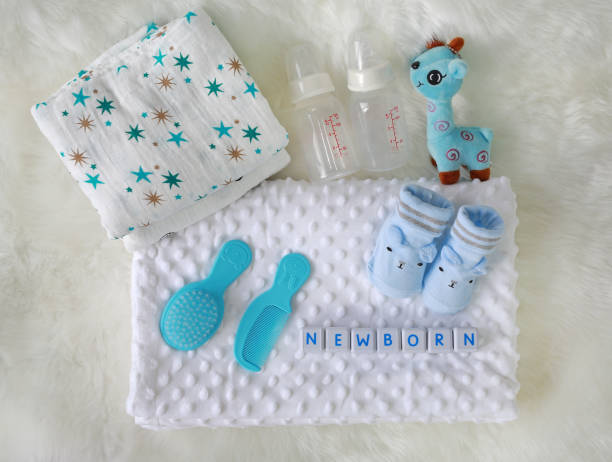
Bringing home a newborn is one of those moments that somehow feels both magical and slightly chaotic.
One minute you’re leaving the hospital with a tiny human wrapped like a burrito, and the next you’re standing in the nursery thinking, Wait… do we actually have everything we need?
New parents often face a flood of advice, and an even bigger flood of baby product ads. Walk into any baby store or scroll through parenting blogs, and suddenly it feels like you need roughly 147 items just to survive the first week.
Honestly? You don’t.
Babies are surprisingly simple creatures. They need food, warmth, comfort, clean diapers, and a safe place to sleep. Everything else falls somewhere on the spectrum between “nice to have” and “why did we buy this?”
Let me explain.
This guide focuses on the real newborn must-haves, the items parents actually use every day. The ones that make life smoother at 3 a.m. when the baby wakes up again, and coffee hasn’t kicked in yet.
And yes, there will still be spit-up. Lots of it.
The Sleep Situation (Because Babies Sleep… Sort Of)
People say newborns sleep a lot. That’s technically true. But they sleep in short bursts, sometimes beautifully, sometimes dramatically.
Either way, a safe sleep setup is your priority.
A Bassinet or Crib
Most parents start with a bassinet placed near the bed. It makes nighttime feeds easier, especially during those early weeks when everyone is adjusting.
Look for one that meets safety standards and has breathable sides. Brands like Halo, Graco, and Chicco often appear on new-parent shopping lists for a reason: they’re dependable and widely available.
Some families skip the bassinet and go straight to a crib. That works too. Babies don’t really care what it’s called.
They just want somewhere cosy.
Swaddles and Sleep Sacks
Here’s something funny: babies often sleep better when wrapped snugly.
Swaddles mimic the tight feeling of the womb, which can calm their startle reflex. You can use traditional blanket swaddles, though many tired parents prefer easier options like Velcro or zip-up swaddles.
Sleep sacks become useful once babies start rolling. Think of them as wearable blankets, warm, safe, and much harder for a baby to kick off.
White Noise Machine
This one surprises people.
The womb isn’t quiet. It’s actually full of sound, heartbeat, blood flow, movement.
White noise machines recreate that constant background hum, which can help babies settle faster. Many parents swear by devices like Hatch Rest or Yogasleep machines.
And honestly? Adults sometimes sleep better with them, too.
Baby Monitor
You may not need a monitor immediately if the baby sleeps beside you. But once they move to another room, it becomes useful.
Modern monitors include video, temperature tracking, and even two-way audio. Some are fancy. Others are simple.
Either way, the goal is peace of mind.
Feeding Time: The Real Around-the-Clock Job
If sleep is unpredictable, feeding is constant.
Newborns typically eat every two to three hours, day and night. That rhythm can feel relentless at first, but the right tools help.
Bottles (Even If You Plan to Breastfeed)
Many breastfeeding parents still keep bottles nearby. Pumped milk, partner feedings, or occasional breaks all make bottles useful.
Brands like Philips Avent, Dr Brown’s, and Comotomo often work well for newborns because they’re designed to reduce air intake.
You’ll want about 6–8 bottles to rotate through the day.
Breast Pump and Nursing Pillow
For breastfeeding parents, a pump becomes incredibly helpful.
The Medela Pump in Style and Spectra S1 are common choices. Insurance plans sometimes cover them too, worth checking.
A nursing pillow like Boppy or My Brest Friend can save your arms during long feeding sessions. Holding a baby for twenty minutes sounds easy until you’ve done it six times overnight.
Trust me.
Burp Cloths (More Than You Think)
Here’s a small but critical truth: babies spit up.
Not occasionally. Repeatedly.
Burp cloths catch those little surprises and protect your clothes, furniture, and dignity. Most parents keep a dozen or more within reach.
Muslin cloths work beautifully because they absorb quickly and wash easily.
Formula Supplies (If Needed)
Some families choose formula from the beginning; others use it occasionally.
If you go that route, basic supplies include:
- Formula container
- Bottle brush
- Sterilizer (optional)
- Clean drying rack
Nothing complicated, just practical tools.
Diaper Duty: The Skill Nobody Brags About
Changing diapers quickly becomes second nature.
At first, it feels awkward. A few days later, you’ll be doing it half-asleep with impressive efficiency.
Diapers
Newborn diapers disappear fast, often 8 to 12 per day.
You might start with brands like Pampers Swaddlers or Huggies Little Snugglers, both designed for sensitive newborn skin.
One small tip: don’t buy too many newborn-size diapers. Babies grow quickly and may switch sizes within weeks.
Baby Wipes
Choose fragrance-free wipes for delicate skin. Sensitive options reduce irritation and diaper rash.
Many parents keep wipes everywhere, diaper bag, nursery, car, and living room.
Because when you need them, you need them immediately.
Changing Pad or Station
You can change a baby on a bed, couch, or blanket. But a designated changing area helps organise supplies.
A changing pad with raised sides adds safety and keeps diapers, wipes, and creams within reach.
Diaper Pail
Here’s a truth that sneaks up on new parents.
Dirty diapers smell. Strongly.
A diaper pail seals odours and keeps the nursery from smelling like, well… diapers. Systems like Diaper Genie or Ubbi work surprisingly well.
Diaper Bag
The humble diaper bag becomes your portable command centre.
Inside, you’ll carry diapers, wipes, spare clothes, bottles, pacifiers, and possibly snacks for yourself.
Choose one with lots of compartments. In the future, you will be grateful.
Clothing: Tiny Outfits, Practical Choices
Baby clothes are adorable. Dangerously adorable.
But newborn wardrobes should stay simple.
Onesies
Short-sleeve and long-sleeve onesies form the foundation of baby clothing. They’re easy to layer and simple to wash.
Plan for 7–10 of them.
Because babies have a habit of leaking through outfits at inconvenient moments.
Sleepers
Footed pyjamas are everyday heroes. They keep babies warm and eliminate the need for socks.
Zip-up versions make nighttime diaper changes far easier than snap buttons.
Socks and Mittens
Socks keep tiny feet warm. Mittens prevent accidental face scratches.
Though many babies still manage to remove them somehow. It’s a mystery.
Seasonal Layers
Weather matters. In colder climates, you’ll need warm hats and sweaters. In warmer regions, breathable cotton works best.
Soft fabrics are key; newborn skin is incredibly sensitive.
Bath Time Basics
Newborns don’t need daily baths. In fact, two or three per week is usually enough.
Still, a few bath essentials make the experience smoother.
Infant Bathtub
An infant tub supports your baby safely during baths. Models with mesh slings are especially helpful for tiny newborns.
Some tubs even fit inside regular sinks.
Gentle Baby Wash
Look for tear-free, fragrance-light formulas. Products from brands like Aveeno Baby or Mustela are popular choices.
A little goes a long way.
Hooded Towels
After the bath comes the cosy part.
Soft hooded towels keep babies warm and dry quickly. The hood protects their tiny heads from chilly air.
And yes, they look ridiculously cute.
Health and Safety Essentials
Babies are resilient, but they still need a few health basics nearby.
Digital Thermometer
A reliable thermometer helps check for fever. Paediatricians usually recommend digital rectal thermometers for newborns.
Nasal Aspirator
Newborn noses get congested easily.
A simple aspirator, like the well-known NoseFrida, clears nasal passages and helps babies breathe more comfortably.
Not glamorous, but incredibly helpful.
Baby Nail Clippers
Baby nails grow surprisingly fast.
Regular trimming prevents scratches. Specialised clippers or electric nail files make the task less nerve-wracking.
Getting Out of the House
Eventually, you’ll want fresh air, groceries, or a walk around the neighbourhood.
A few items make outings manageable.
Infant Car Seat
A car seat is non-negotiable for safe travel.
Popular models include those from Graco, Chicco, and Britax. Many connect directly to strollers, which simplifies transitions.
Stroller
Choose one that fits your lifestyle.
City parents often prefer compact travel systems. Suburban families might choose larger models with storage baskets and smoother suspension.
Baby Carrier
Carriers allow hands-free parenting.
Brands like Ergobaby and BabyBjörn create comfortable carriers that support newborn hips and spine.
Plus, babies often fall asleep instantly when carried close.
Comfort and Early Development
Beyond basic care, babies benefit from gentle stimulation and comfort.
Play Mat
A soft play mat gives babies a safe place for tummy time and early movement.
Many include hanging toys and contrasting colours that capture a newborn’s attention.
Pacifiers
Some babies love them. Others refuse them completely.
Pacifiers can soothe fussiness and help babies fall asleep. Brands like Philips Avent Soothie are common hospital favourites.
Soft Blankets
Muslin blankets serve many purposes: swaddling, burp cloths, stroller shade, and play surface.
Parents quickly realise they can never have too many.
Things You’ll Think You Need (But Probably Don’t)
Marketing for baby gear is… persuasive.
But some products aren’t truly necessary.
Examples include:
- Wipe warmers
- Bottle warmers
- Fancy diaper disposal systems
- High-tech baby loungers
They’re not harmful, just often unnecessary.
Sometimes the simplest tools work best.
The Real Must-Have No One Talks About
Let’s pause here.
Because the most important newborn essentials aren’t items at all.
They’re support, patience, and flexibility.
New parents often feel pressure to do everything perfectly: perfect sleep routines, perfect feeding schedules, perfect nurseries.
But babies rarely follow plans.
Some nights are smooth. Others feel endless.
That’s normal.
What matters most is having support from partners, family, friends, or the community. A helping hand during those early weeks can make an enormous difference.
And honestly? Accepting imperfection helps, too.
Final Thoughts: It’s Less About Stuff
When people imagine preparing for a newborn, they picture rooms full of gear.
But babies don’t measure love through gadgets.
They care about warmth, feeding, comfort, and closeness.
A safe place to sleep. Clean diapers. Gentle care.
That’s the heart of it.
The rest, the strollers, toys, and blankets, are simply tools that help parents navigate a brand-new chapter.
And if you’re feeling unsure right now, that’s okay.
Every parent starts that way.
But slowly, quietly, you learn your baby’s rhythms. The little noises. The sleepy cues. The way they stretch after a nap.
Before long, what once felt overwhelming becomes routine.
Not perfect.
Just beautifully, wonderfully human. 👶