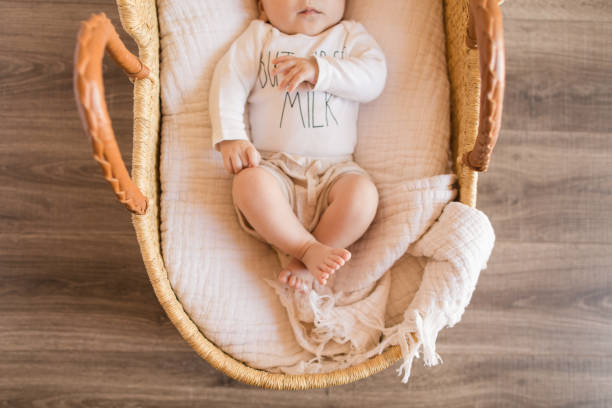
There’s a moment most expecting parents experience. Usually late at night, scrolling through a baby registry checklist that seems to stretch forever.
Bottle sterilisers. Smart bassinets. Wipe warmers. Diaper pails with Wi-Fi (yes, apparently that’s a thing).
And suddenly you wonder: Do we actually need all this stuff?
Here’s the honest answer: no. Not even close.
Babies are wonderfully simple creatures. They need warmth, food, clean diapers, a safe place to sleep, and people who love them. Everything else? Mostly convenience, sometimes marketing, occasionally helpful—but rarely essential.
A minimalist baby registry isn’t about deprivation. It’s about clarity. It’s about focusing on the items that genuinely make life easier during those blurry, sleep-deprived early months.
And honestly? When the house isn’t packed with unused gadgets, parenting feels lighter. Less clutter, fewer decisions, fewer things to manage when you’re already juggling a lot.
So let’s walk through the 25 baby registry items that actually matter.
Why a Minimalist Baby Registry Works
Before the list, let’s talk about the idea itself.
Baby product marketing is a multi-billion-dollar industry. Every year, there’s a new gadget promising better sleep, easier feeding, or magically calmer babies.
Some are helpful. Many are… well, nice but unnecessary.
Minimalist registries focus on three simple principles:
1. Function over novelty
If an item solves a real daily need, it earns a place.
2. Flexibility over specialisation
Products that serve multiple purposes tend to stay useful longer.
3. Quality over quantity
A few well-chosen items beat a closet full of rarely used gear.
It’s similar to stocking a kitchen when you first move into a home. You don’t need ten appliances on day one, you start with the basics and build from there.
Parenthood works the same way.
Sleep Essentials (Because Everyone Needs Sleep)
Sleep is the currency of early parenting. You’ll guard it fiercely.
These basics help.
1. Crib or Bassinet
Your baby needs a safe place to sleep. That’s the foundation.
Many parents start with a bassinet beside the bed for the first few months. It keeps nighttime feeds easier. Others go straight to a crib.
Brands like Graco, Babyletto, and IKEA make reliable options without outrageous price tags.
The key thing? Safety standards matter more than fancy features.
2. Crib Mattress
A firm, well-fitted mattress is essential.
Babies sleep safest on flat, firm surfaces. No plush pillow-top situation here.
Look for breathable, waterproof covers. You’ll thank yourself during the first middle-of-the-night diaper explosion.
3. Fitted Crib Sheets (3–4)
You might think one or two sheets will do.
Then you experience your first 3 a.m. diaper leak.
Suddenly, the value of extra sheets becomes very clear.
Three or four is a comfortable number.
4. Swaddles or Sleep Sacks
Newborns love the snug feeling of being wrapped up, it reminds them of the womb.
Swaddles help calm the startle reflex and can make sleep a bit smoother. Later, sleep sacks replace blankets and keep babies warm safely.
Parents often love brands like Halo, Love to Dream, or Aden + Anais.
Diapering Basics (The Real Daily Routine)
Babies go through 8–12 diapers a day in the beginning. That’s not an exaggeration.
Minimalist diapering gear keeps this routine simple.
5. Diapers
Cloth or disposable, both work.
Many parents register for a few sizes because newborn sizes disappear quickly. Babies grow faster than anyone warns you about.
6. Baby Wipes
Gentle, fragrance-free wipes are usually best for sensitive skin.
You’ll use them constantly. Diapers, hands, spills, sticky car seats, you name it.
7. Changing Pad
You don’t necessarily need a full changing table.
A simple portable changing pad works just as well. It can sit on a dresser, couch, or floor.
Minimalism at work.
8. Diaper Cream
Diaper rash happens, even with perfect care.
Reliable brands include Aquaphor, Desitin, and Burt’s Bees Baby.
A small tube lasts longer than you might expect.
9. Diaper Bag
Your mobile command centre.
Look for one with:
- Easy-wipe interior
- Plenty of pockets
- Comfortable straps
Backpack-style bags are surprisingly practical when you’re juggling a baby, keys, and coffee.
Feeding Essentials (Simple but Important)
Feeding routines vary widely depending on whether parents breastfeed, bottle-feed, or do both.
Minimalist registries keep this category flexible.
10. Bottles
Even breastfeeding parents often use bottles occasionally.
Start small; 4 to 6 bottles are usually enough.
Popular brands include Philips Avent, Dr Brown’s, and Comotomo.
Babies sometimes have strong opinions about bottle shapes. It’s funny, really, tiny human, very strong preferences.
11. Burp Cloths
Underestimated. Extremely useful.
You’ll use them during feedings, spit-ups, and random messes.
Soft cotton cloth diapers actually make fantastic burp cloths.
12. Bibs
Once babies start drooling and eventually eating solids, bibs become everyday heroes.
A few silicone or washable cloth bibs are enough.
13. Nursing Pillow (Optional but Helpful)
For breastfeeding parents, a nursing pillow can reduce strain on the shoulders and back.
Brands like Boppy and My Brest Friend are widely used.
14. High Chair
You won’t need it immediately, but by around six months, it becomes essential.
Minimalist favourites include Stokke Tripp Trapp or IKEA Antilop (simple, affordable, surprisingly great).
Clothing: Keep It Simple
Here’s where many registries go overboard.
Baby clothes are adorable. Ridiculously adorable.
But babies grow fast. Sometimes shockingly fast.
Focus on practical basics.
15. Onesies (6–10)
These are everyday outfits.
Short-sleeve or long-sleeve, depending on the climate. Soft cotton works best.
Simple snap closures save sanity during diaper changes.
16. Sleepers or Footed Pyjamas (5–7)
Honestly, newborns spend most days in pyjamas.
Footed sleepers keep them warm and eliminate the need for socks.
Look for two-way zippers. Those midnight diaper changes become much easier.
17. Socks or Booties
Babies kick socks off constantly. It’s practically a sport.
Still, a few pairs help keep tiny feet warm.
18. Weather Layers
Depending on your climate, this might include:
- A warm sweater
- A light jacket
- A cozy hat
Babies regulate temperature differently from adults, so layers help.
Bath and Hygiene
Bath time doesn’t require a spa setup.
Just a few gentle basics.
19. Baby Bathtub
You can technically bathe a baby in the sink.
But a small baby tub makes the process easier and safer.
20. Gentle Baby Soap
Look for fragrance-free, tear-free formulas.
Brands like Aveeno Baby and Mustela are widely trusted.
21. Hooded Baby Towels
Soft towels with little hoods keep babies warm after baths.
Two or three is plenty.
22. Baby Nail Clippers
Newborn nails grow fast, and they’re surprisingly sharp.
Small baby clippers or files make trimming safer.
On-the-Go Must-Haves
Sooner or later, you’ll leave the house.
And that moment feels like preparing for a small expedition.
These items make it manageable.
23. Infant Car Seat
A non-negotiable safety item.
Most hospitals require one before discharge.
Reliable brands include Chicco, Graco, and Britax.
24. Stroller
A stroller becomes essential for walks, errands, and getting some fresh air.
Lightweight models are often easier than large travel systems.
25. Baby Carrier
Baby carriers are wonderful for hands-free parenting.
Babies love the closeness. Parents love being able to move around.
Popular choices include Ergobaby, BabyBjörn, and Solly Baby wraps.
What You Probably Don’t Need (At Least Not Yet)
Let’s talk honestly about a few popular registry items.
Many families skip these without missing them:
- Wipe warmers
- Bottle warmers
- Baby food makers
- Multiple swings or bouncers
- Fancy diaper pails
Some parents love them. Others barely use them.
It’s okay to wait and see what your baby actually likes.
The Quiet Magic of Minimalist Parenting
Here’s something interesting.
Minimalist registries don’t just reduce clutter; they reduce decision fatigue.
When you’re caring for a newborn, your brain already handles a lot:
feeding schedules
sleep cycles
doctor visits
tiny mysterious cries at 2 a.m.
Having fewer gadgets means fewer instructions, fewer batteries, fewer things to clean.
Life becomes simpler.
And that simplicity creates space for the moments that matter most, the soft baby sighs, the tiny fingers gripping yours, the sleepy smiles that appear out of nowhere.
Those moments don’t come from products.
They come from presence.
Final Thoughts
Building a baby registry can feel overwhelming at first. But honestly, babies don’t need a warehouse of gear.
They need a safe place to sleep. Clean diapers. Food. Warm clothes. Loving arms.
Everything else is optional.
Starting with these 25 essentials gives you a strong foundation without drowning in stuff.
And here’s the reassuring truth many experienced parents will tell you: if you ever need something later, you can always get it.
But the calm, uncluttered start? That’s something you’ll be grateful for every single day.