Ever sneezed, coughed, or laughed and felt that little “oops” moment? You know, the one that makes you instantly clutch your thighs and pray no one noticed? Yeah, we’ve all been there. And honestly, after giving birth, these moments can feel all too familiar. Your body just went through a wild, life-altering journey, and sometimes it shows in ways you weren’t expecting.
One of the biggest, yet quietly overlooked, challenges postpartum is pelvic floor recovery. Those muscles that supported your growing baby? They need a little love, and yes, a little work, to regain their strength. That’s where Kegel exercises come in.
But before you roll your eyes and think, “I’ve heard this before,” stick with me. We’re talking practical, doable moves, the ones you can sneak into your day without needing a fancy gym or miracle gadget.
By the end of this, you’ll have 11 essential postpartum Kegel moves, plus tips, tricks, and some gentle encouragement to get your pelvic floor back on track. Let’s get started, because your body deserves it.
Why Kegels Matter More Than You Think
So, what exactly is the pelvic floor, and why is everyone suddenly talking about it? Think of your pelvic floor like a hammock stretched across your pelvis, holding up everything from your bladder to your uterus. Pregnancy, childbirth, and even carrying your baby around on long walks or during playtime can stretch, strain, or weaken that hammock.
A weak pelvic floor can sneak up on you in awkward ways:
- Leaks when you sneeze, cough, or laugh
- Lower back pain
- Discomfort during intimacy
- Feeling like “everything is sagging” down there
Sounds familiar? You’re not broken, I promise. It’s just your body asking for a little TLC. And the truth is, strengthening those muscles isn’t just about stopping leaks. It’s about regaining control, comfort, and confidence—and yes, it can even improve posture and core strength.
Here’s a fun analogy: imagine your pelvic floor is a trampoline. After months of pregnancy, it’s sagging. You wouldn’t expect to jump on it and bounce perfectly the first day perfectly, right? Kegels are like slowly tightening the springs until that trampoline is strong again, functional, supportive, and ready for action.
When to Start (and When to Hold Off)
Before we get into the exercises, timing is everything. You don’t want to start too soon, or too aggressively.
Vaginal Delivery: Many women can start gentle awareness exercises almost immediately, just squeezing and releasing the muscles lightly. But wait at least 6 weeks for more intense Kegels, or until your doctor gives the green light.
C-Section: If you had a cesarean, your core and pelvic floor muscles may feel numb or disconnected. Start slow, and listen to your body. Gentle engagement, like mindful breathing and light contractions, is usually safe after your incision is healed.
Red Flags: If you feel pain, bleeding, or intense pressure, pause and check with your healthcare provider. Better safe than sorry.
Honestly, new moms, sometimes it’s not about starting strong; it’s about starting smart.
Getting Your Form Right
Here’s the thing: Kegels aren’t just about clenching. Breathing, posture, and awareness matter more than you might think.
- Start with awareness. Sit or lie down comfortably. Imagine you’re stopping the flow of urine midstream (just for practice, don’t make it a regular bathroom habit).
- Breathe. Inhale to relax, exhale to contract. It sounds simple, but coordinated breathing can make a huge difference.
- Check for cheating muscles. Thighs, butt, or stomach should relax while your pelvic floor does the work. If you feel tension elsewhere, adjust your focus.
- Visualize. Picture those hammock-like muscles gently lifting and hugging your pelvic organs. Weird? Maybe. Effective? Absolutely.
Optional: small props like a soft exercise ball or even a rolled-up towel can help you feel the contraction better, especially for side-lying or bridge exercises.
11 Essential Kegel Moves Postpartum
Alright, here’s where the magic happens. These 11 Kegel moves range from beginner-friendly squeezes to slightly more challenging combinations. And yes, you can do most of these while feeding your baby, waiting for laundry, or binge-watching your favourite show.
1. Basic Squeeze & Hold
- How: Contract your pelvic floor muscles, hold for 5 seconds, release for 5 seconds.
- Reps: 10–15
- Tip: Start lying down, then progress to sitting or standing.
This one is the foundation. It may feel subtle at first, but over time, you’ll notice more control and awareness.
2. Quick Flicks
- How: Rapidly contract and release your pelvic floor, like a light “pulse.”
- Reps: 15–20
- Benefit: Improves quick muscle response, useful for unexpected leaks.
- Fun tip: Great for sneaky practice while brushing your teeth.
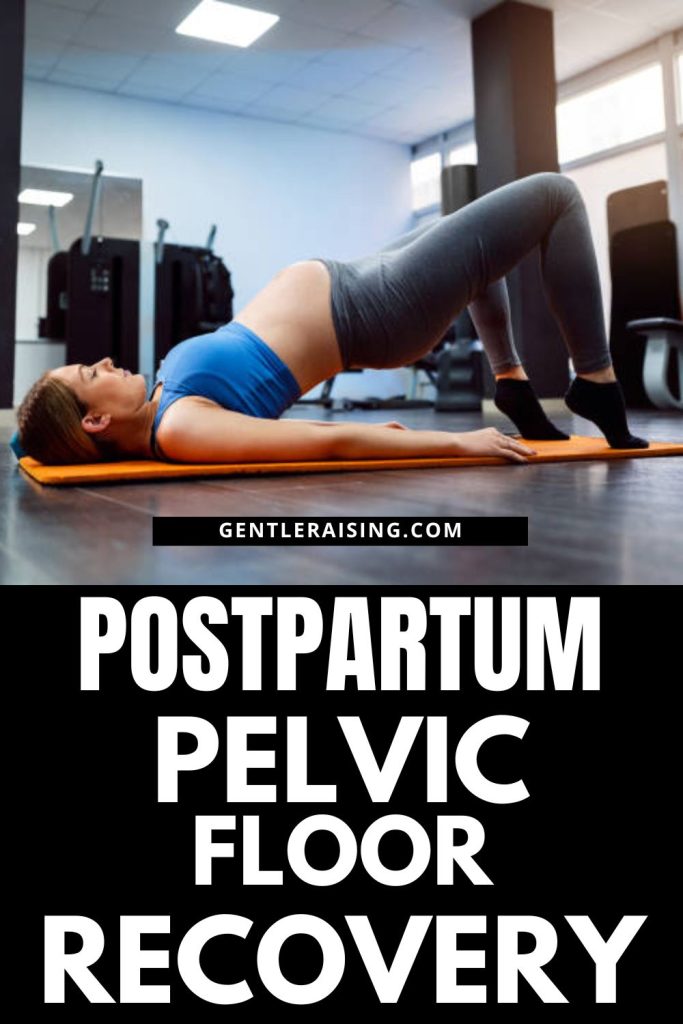
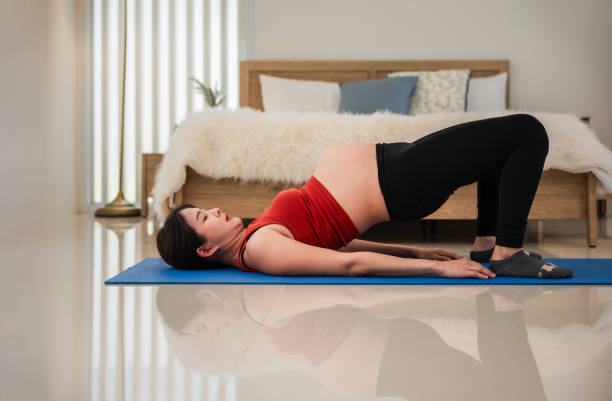
3. Bridge Kegels
- How: Lie on your back, knees bent. Lift your hips into a bridge while squeezing your pelvic floor. Hold for 3–5 seconds, release slowly.
- Reps: 10–12
- Benefit: Engages glutes, lower back, and pelvic floor together.
- Extra: Add a soft ball between knees for inner-thigh engagement.
4. Seated Pelvic Squeeze
- How: Sit tall on a chair, feet flat. Squeeze pelvic floor muscles while keeping core engaged. Hold 5 seconds, release.
- Reps: 10
- Why: Perfect for discreet strengthening at work, in a cafe, or during long stroller walks.
5. Side-Lying Clamshell with Kegel
- How: Lie on your side, knees bent. Open the top knee while keeping the feet together. Add a pelvic floor squeeze during the lift.
- Reps: 12–15 per side
- Benefit: Strengthens lateral pelvic stability, glutes, and inner thighs.
6. Kegel with Leg Lift
- How: Lying on your back, lift one leg a few inches off the ground while squeezing your pelvic floor. Lower slowly. Alternate legs.
- Reps: 10 per leg
- Extra: Focus on slow, controlled motion; avoid arching your back.
7. Standing Squeeze
- How: Stand with feet hip-width apart, knees slightly bent. Contract the pelvic floor, hold 5 seconds, release.
- Reps: 10–15
- Why: Functional, perfect for multitasking while cooking, folding laundry, or playing with the baby.
8. Heel Slide Kegel
- How: Lie on your back, knees bent. Slide one heel away from your body while contracting the pelvic floor. Return slowly. Alternate.
- Reps: 10 per leg
- Benefit: Gentle core + pelvic floor engagement, excellent early postpartum exercise.
9. Wall Sit with Kegel
- How: Back against a wall, knees bent 90°. Engage pelvic floor and core. Hold 5–10 seconds.
- Reps: 8–10
- Extra: Focus on slow breathing. Bonus: works legs and endurance too.
10. Ball Squeeze Kegel
- How: Place a soft ball or pillow between your knees while sitting or lying. Squeeze knees and pelvic floor together. Hold 5 seconds, release.
- Reps: 10–12
- Fun tip: Feels like a mini workout for inner thighs and pelvic floor at the same time.
11. Mindful Relaxation & Release
- How: Lie down, close your eyes, and consciously release your pelvic floor muscles completely. Breathe and feel the tension melt.
- Why: Relaxation is as important as contraction; it prevents overuse, improves circulation, and fosters body awareness.
How Often & How Long
Here’s the truth: consistency beats intensity. A few minutes each day is more effective than an hour once a week.
Suggested routine:
- Morning: 10 basic squeezes
- Afternoon: 10–15 quick flicks or seated squeezes
- Evening: 5–10 bridges or wall sits
- Daily mindful relaxation
The beauty? It’s flexible. Even 5–10 minutes can make a difference over weeks.
Benefits Beyond the Bathroom
You might think Kegels are only for stopping leaks, but they go far beyond that. Strengthening your pelvic floor can:
- Improve core stability and posture
- Reduce lower back discomfort
- Enhance intimacy and sensation
- Boost confidence and body awareness
- Promote better sleep and circulation
Here’s a thought: a stronger pelvic floor isn’t just about physical benefits, it’s a subtle form of self-care that can lift your mood too.
Common Questions & Troubleshooting
Q: I don’t feel anything—is it normal?
A: Totally. Many new moms initially struggle with awareness. Keep practising mindful squeezes, and consider biofeedback apps or a physiotherapist if needed.
Q: I leak anyway, is it too late?
A: Nope. It’s never too late to strengthen the pelvic floor. Consistency over weeks and months leads to noticeable improvement.
Q: Can I hurt myself?
A: Rarely, if done correctly. Avoid tensing other muscles or overdoing contractions. Gentle, steady progress is key.
Extra Tools & Support
You don’t have to navigate postpartum recovery alone. Consider:
- Apps: Kegel trainer apps, biofeedback trackers
- Wearables: Pelvic floor devices like Elvie or kGoal (if your budget allows)
- Classes: Postpartum yoga, Pilates, or physiotherapy sessions
- Communities: Online forums, Facebook groups, or even friends who just had babies
Honestly, even having someone check in with you, verbally or physically, can make a huge difference. Pelvic floor work may be private, but support makes it sustainable.
Conclusion: Tiny Squeezes, Big Wins
Here’s the bottom line: your body went through a miraculous transformation, and a few minutes of targeted effort can restore strength, confidence, and comfort.
The 11 Kegel moves aren’t just exercises; they’re small, empowering steps toward regaining control of your body. Start slow, stay consistent, and celebrate the tiny victories: the first sneeze without a leak, the first bridge that feels strong, or simply noticing your body feels more connected.
Your pelvic floor isn’t just muscles; it’s part of your journey, your story, and your resilience. Give it a little love, a little attention, and watch how these tiny squeezes ripple into real, meaningful change.