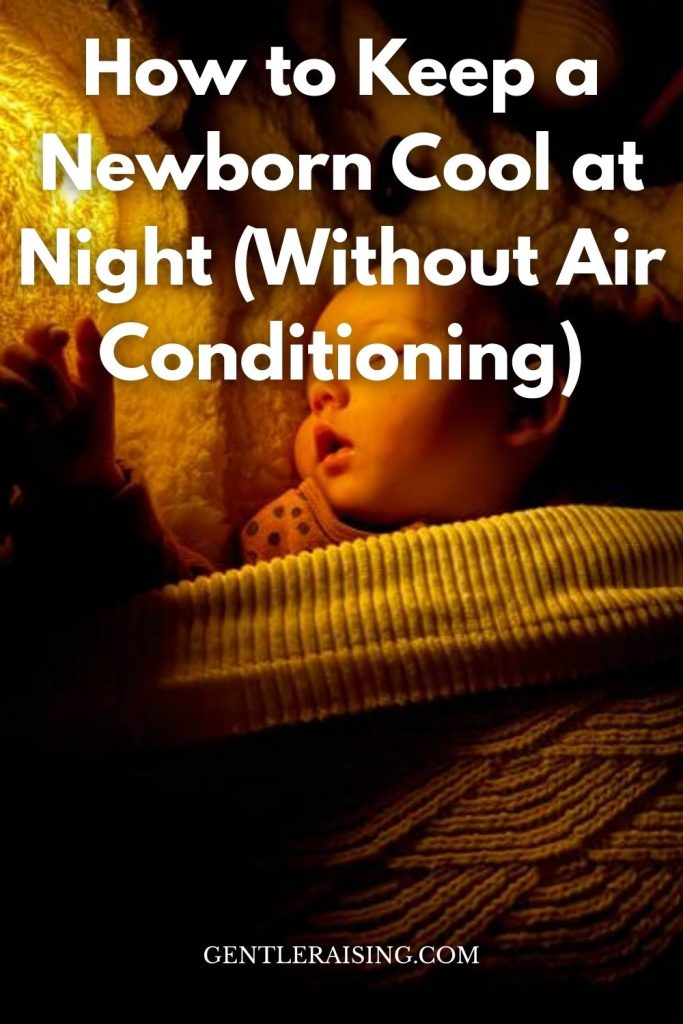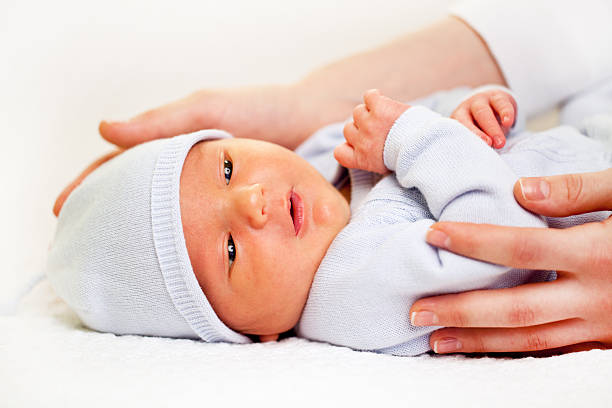
The heat hits different when there’s a newborn in the house
You notice it before anyone else does.
The air feels thick. Still. Heavy on your skin. And suddenly you’re looking at your baby, tiny chest rising and falling, and wondering, Is this too hot for them?
If you’re a new parent riding out hot weather without air conditioning, you’re not dramatic. You’re attentive. There’s a difference. Heat feels manageable when it’s just adults sweating through it. Add a newborn, and the stakes feel higher. Because now it’s not just discomfort, it’s safety.
Here’s the reassuring part, right up front: babies all over the world grow up safely without AC. Always have. And still do. What matters isn’t cold air. It’s awareness, airflow, and a few smart adjustments that don’t require gadgets or panic-buying fans at midnight.
Let’s talk through it calmly. No scare tactics. No rigid rules. Just real-life guidance that actually works.
Why babies and heat are a tricky combo (but not a disaster)
Newborns aren’t great at regulating their body temperature yet. That’s the simple truth. Their sweat glands are immature, their bodies are small, and they can’t shift position or shed layers when they’re uncomfortable.
But here’s the mild contradiction that trips parents up: babies often feel warm even when they’re perfectly fine.
Their heads, necks, and backs naturally run warmer than their hands and feet. That doesn’t mean they’re overheating. It just means their circulation is still figuring itself out.
What does matter is balance. A baby who’s lightly dressed, breathing comfortably, and not flushed or lethargic is usually okay, even if the room feels hot to you.
Honestly, learning what your baby’s normal feels like matters more than any temperature chart.
So… how hot is too hot for a newborn?
You’ll hear numbers thrown around. Ideal room temperatures. Exact ranges. They’re helpful as references, not rules carved in stone.
Instead of obsessing over numbers, watch your baby.
Signs your newborn may be too hot:
- Damp hair or sweaty neck
- Hot, flushed skin (especially chest or back)
- Rapid breathing
- Unusual fussiness or sluggishness
- Heat rash is spreading quickly
What’s usually normal:
- Cool hands and feet
- Warm head
- Light perspiration during feeding
- Mild redness that fades when they cool down
Here’s the thing: overheating looks different from baby to baby. You don’t need to catch it early like a spy mission. You just need to notice patterns. And you will.
No AC doesn’t mean no comfort (or no safety)
It’s easy to forget this, especially online, but air conditioning isn’t universal. Large parts of Africa, Asia, Latin America, and even Europe raise babies through hot seasons with nothing more than open windows and good timing.
The human body and the baby’s body, are adaptable.
What helps babies most isn’t cold air blasting down. It’s moving air, breathable fabrics, and not trapping heat where it lingers.
Let me explain.
Airflow beats cold air every time
If there’s one thing that makes the biggest difference, it’s airflow.
Open windows on opposite sides of your home if possible. That cross-breeze? Gold. Even a slow movement of air helps evaporate heat from the skin.
Fans can help too—just not pointed directly at your baby’s face. Aim them across the room so they circulate air rather than blast it. Think gentle movement, not wind tunnel.
At night, take advantage of cooler outdoor air. Early mornings, too. Timing matters more than temperature control.
A still room feels hotter than it actually is. A moving room feels breathable.
Clothing: fewer layers, smarter choices
This part feels counterintuitive to some parents. We’re taught to bundle babies. Keep them cosy. Protect them.
In hot weather, less really is more.
Lightweight cotton, bamboo, or muslin lets heat escape. Synthetic fabrics trap warmth. Cute outfits can wait.
Many newborns are perfectly comfortable in:
- Just a diaper
- A loose cotton onesie
- A thin sleep sack designed for warm weather
If you’re sweating, your baby probably doesn’t need socks.
And no, being underdressed doesn’t cause colds. Viruses do. Heat exhaustion is the bigger concern here.
Sleep during hot nights (yes, it’s the hardest part)
Daytime heat is manageable. Nighttime heat messes with everyone’s patience.
Safe sleep still comes first. Always.
That means:
- Baby on their back
- Firm mattress
- No loose blankets or pillows
But within those rules, you’ve got wiggle room.
Use a fitted cotton sheet. Skip waterproof layers unless necessary; they trap heat. If your baby normally sleeps swaddled, switch to a lighter option or pause swaddling during heat waves if it’s safe to do so.
Some parents notice their baby sleeps better on a slightly cooler surface, like a mattress that hasn’t been heat-soaked all day. Evening airflow helps here.
And yes, babies may wake more often in the heat. That’s normal. Annoying. Temporary.
Low-tech ways to cool a room (that actually work)
You don’t need fancy equipment. People have been cooling rooms creatively for centuries.
A few simple tricks:
- Close curtains or blinds during peak sun hours
- Let floors cool overnight and spend time there during the day
- Place a bowl of water near the airflow (not within the baby’s reach)
- Hang a damp cloth near a window to cool incoming air
These aren’t magic solutions, but combined, they lower the overall heat load. And that’s what counts.
Baths, wipes, and the myth of “cold shock”
A lukewarm bath can be incredibly soothing for a hot baby. Not cold. Not chilly. Just neutral.
Think of it like stepping into a pool on a hot day. Relief without shock.
You can also gently wipe your baby’s neck, arms, and legs with a damp cloth during the day. No soaps needed. No full bath required.
Here’s something that surprises people: skin-to-skin contact can help regulate a baby’s temperature. Your body adjusts to theirs. It’s one of nature’s quieter tricks.
Feeding in the heat: more frequent, more comfortable
Hot weather often means babies want to feed more often. Not because they’re starving, but because feeding hydrates and soothes.
Breastfed babies don’t need extra water. Breast milk adjusts. It really does.
Formula-fed babies may feed smaller amounts more frequently. Follow cues, not the clock.
If your baby wants to comfort nurse? That’s okay. Heat makes everyone crave reassurance.
Going outside: timing is everything
Fresh air is still good. Even in hot weather.
Aim for early mornings or late afternoons. Use shade generously. Avoid covering strollers completely; it blocks airflow and raises the temperature inside.
If you wouldn’t sit in that heat for long, your baby shouldn’t either. Simple rule.
Heat rash, dehydration, and when to call for help
Heat rash is common. It looks angry, but usually isn’t serious. Keep skin clean, dry, and exposed to air.
Call a healthcare provider if you notice:
- Persistent vomiting
- Refusal to feed
- Very few wet diapers
- Extreme lethargy
- Fever in a newborn under three months
Trust your instincts. They’re data, not drama.
A quiet word for tired parents
You’re watching your baby breathe in the heat. You’re adjusting fans. Changing clothes. Losing sleep.
That’s not failure. That’s care.
Babies don’t need perfect conditions. They need responsive adults. They need observation. They need calm more than control.
Summer passes. Heat breaks. Confidence builds.
And one day, you’ll barely remember how worried you felt, only that your baby made it through just fine.
You’re doing better than you think.