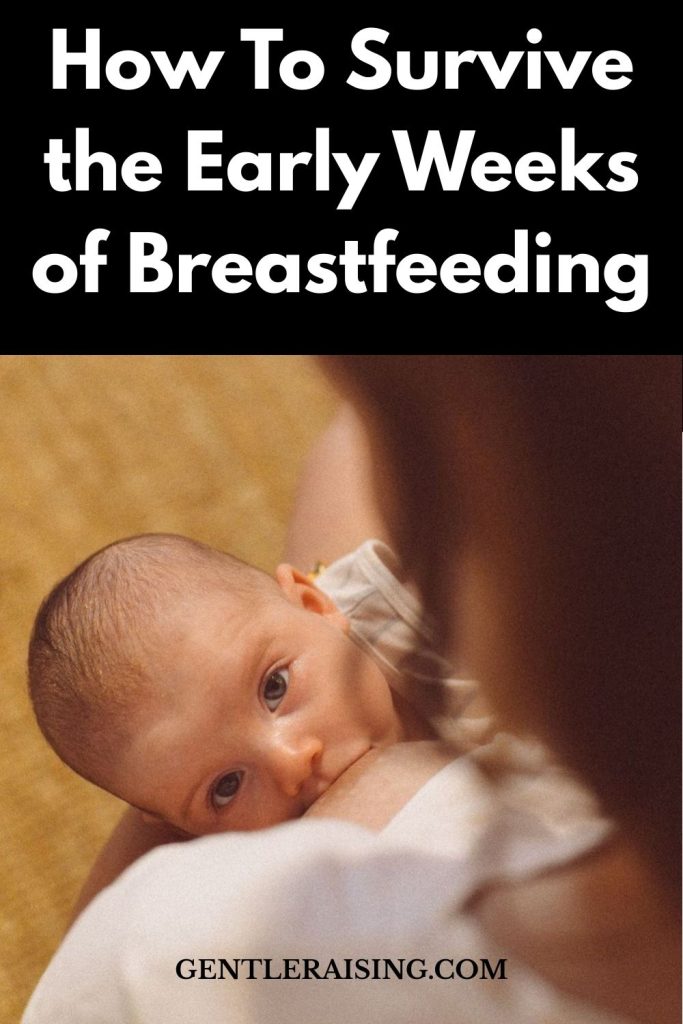
A real, honest guide for new mothers, fathers, and parents
No one really tells you how strange the early weeks of breastfeeding can feel. They talk about bonding. They talk about nutrition. Sometimes they mention sore nipples with a half-smile, like it’s a minor footnote.
But living it? That’s different.
Those first weeks are a blur of half-lit rooms, damp burp cloths, and a tiny human who seems deeply offended by the concept of sleep. You might feel proud one minute, overwhelmed the next, and quietly Googling things you never imagined typing with one hand at 3:17 a.m.
If that’s where you are, welcome. You’re not late. You’re not failing. You’re right on time.
Let’s talk about how people actually survive this phase. Not perfectly. Just… intact.
The expectation hangover no one warns you about
Before the baby arrived, breastfeeding probably sounded simple enough. Feed the baby. The body makes milk. Nature does its thing.
Here’s the thing: biology doesn’t guarantee ease.
Breastfeeding is natural, sure, but so is walking, and we still fall a lot before we get it right. The early weeks feel hard because they are hard. You’re learning a skill while recovering from birth, running on broken sleep, and caring deeply about doing it “right.”
That’s a lot to carry.
Some parents love breastfeeding right away. Others grow into it slowly. Some never feel at ease with it at all. All of those experiences are real. None of them are moral statements about your commitment or your ability to parent.
Honestly, surviving starts with releasing the idea that it should feel effortless by day three.
The first latch: awkward, emotional, and oddly intense
The latch gets so much hype, and for good reason, but the pressure around it can feel enormous.
A good latch matters because it helps milk flow and prevents pain. But learning it often feels like assembling furniture without instructions, while someone cries if you get it wrong.
You’ll hear phrases like “nose to nipple” and “wide mouth,” which sound straightforward until you’re holding a slippery newborn who has opinions. Strong ones.
Here’s what helps early on:
- Take a breath before trying again. Babies sense tension more than we realise.
- Adjust your body first, pillows, back support, and feet on the floor, before adjusting the baby.
- Pain that improves after a few seconds can be normal. Pain that makes you dread every feed isn’t.
And if someone re-latches the baby for you and it suddenly feels better? That doesn’t mean you were doing it wrong. It means you’re learning with tired hands and a brain that’s low on sleep.
Milk coming in: when your body surprises you
Around days two to five, milk usually shifts from colostrum to more mature milk. When that happens, things can get… dramatic.
Breasts may feel heavy, hot, tight, or oddly veiny. Shirts suddenly fit differently. Leaking becomes a real possibility. So does engorgement, which feels less poetic than the word suggests.
This phase passes, but while you’re in it:
- Frequent feeding helps regulate supply
- Gentle hand expression can ease pressure
- Cold packs after feeds reduce swelling (frozen peas count)
You know what’s strange? This is often when parents think something’s wrong, when, in fact, their body is doing exactly what it’s meant to do.
Let’s talk about pain, without brushing it off
Some discomfort early on is common. Raw, stretched, sensitive nipples come with the territory for many parents.
But there’s a line.
Cracked skin, bleeding, sharp pain throughout the foot, or pain that worsens over time deserves attention. So do symptoms like fever, red patches on the breast, or flu-like aches.
Creams can help. Air-drying helps. Changing positions helps. But support helps the most.
Lactation consultants aren’t a luxury item. They’re problem-solvers. Many hospitals, clinics, and community programs offer them at low or no cost.
And no, asking for help doesn’t mean you’re “bad at this.” It means you’re tired and paying attention.
The supply spiral: “Am I making enough?”
This question shows up for almost everyone. Sometimes daily. Sometimes hourly.
Here’s the tricky part: you can’t see how much milk a baby gets at the breast, so your brain fills in the gaps. Usually with worry.
Signs baby is getting enough:
- Regular wet diapers (yes, you’ll count them)
- Steady weight gain over time
- Baby seems relaxed after at least some feeds
Signs that don’t always mean low supply:
- Frequent feeding
- Evening fussiness
- Wanting to nurse again shortly after finishing
Breastfeeding works on demand, not on a schedule. Babies cluster feed to increase supply. It feels relentless, but it’s communication, not failure.
Cluster feeding: exhausting, normal, and temporary
Cluster feeding often hits in the evenings, just when you were hoping to sit down.
Baby feeds. Unlatches. Cries. Feeds again. Repeat until you question reality.
This doesn’t mean your milk vanished. It usually means your baby is:
- Building supply
- Seeking comfort
- Processing a busy day
The best response is often the hardest one: lean in. Set up snacks. Get water. Watch something light. Let the world wait.
It won’t always be like this. Even if it feels endless right now.
Sleep deprivation makes everything louder
Lack of sleep turns small worries into major fears. It shortens patience. It dulls joy.
Night feeds are isolating. The house is quiet. The internet feels too loud. Your thoughts wander.
If you can:
- Nap during the day (even short ones help)
- Share nighttime duties in ways that make sense, such as diaper changes, burping, and bringing the baby to you
- Lower expectations for everything else
This phase isn’t about productivity. It’s about endurance.
The emotional whiplash no one posts about
You might cry for reasons you can’t name. You might feel deeply in love and deeply unsure within the same hour.
Hormones are shifting. Identity is shifting. Your body isn’t quite yours yet.
This emotional swing doesn’t mean you’re unstable. It means you’ve just gone through a massive physical and psychological change.
Talk about it. With your partner. With a friend. With someone who won’t rush to fix it.
Sometimes being heard is the fix.
Partners matter more than they realise
If you’re supporting a breastfeeding parent, your role isn’t passive.
You can:
- Track feeds and diapers when brains are fried
- Handle burping, soothing, and contact naps
- Guard rest time like it’s non-negotiable
- Be the buffer against unsolicited advice
And maybe most importantly, say out loud when you see effort. When you see patience. When you see resilience.
That recognition sticks.
Feeding outside the house (or just outside your comfort zone)
The first public feed feels big. Even if it’s just in front of visitors.
Practice at home helps. So does wearing clothes that don’t require gymnastics. Scarves, nursing tops, or just confidence, whatever works.
And remember: you don’t owe anyone an explanation. Feeding your baby isn’t a performance.
When breastfeeding doesn’t go as planned
Sometimes, despite effort, support, and patience, breastfeeding remains painful or stressful.
Supplementing, pumping, or switching feeding methods isn’t quitting. It’s adapting.
A calm parent matters more than the method. A fed baby matters more than the plan.
You’re allowed to change course.
Tools that genuinely help
Not everything marketed to new parents earns its keep. But a few things often do:
- A solid nursing pillow (or stacked regular pillows)
- Nipple cream you don’t hate using
- A large water bottle that you can open one-handed
- A phone charger within reach
Small comforts make long feeds easier.
The quiet turning point
Somewhere, often without fanfare, things shift.
Feeds get shorter. Pain eases. Baby looks at you differently. You stop counting weeks and start counting milestones.
You might not notice it right away. But one day you’ll realise you’re not bracing yourself before every feed anymore.
That’s progress. Real, earned progress.
Final words you might need to hear
You’re not behind.
You’re not weak for struggling.
You’re not failing because this feels hard.
The early weeks of breastfeeding are intense because they matter, and because you matter in them.
Survival isn’t about perfection. It’s about staying, adjusting, and giving yourself grace while you learn something brand new under pressure.
And if today all you did was feed your baby and hold it together? That counts. More than you think.
You’re doing real work. And you’re not alone.