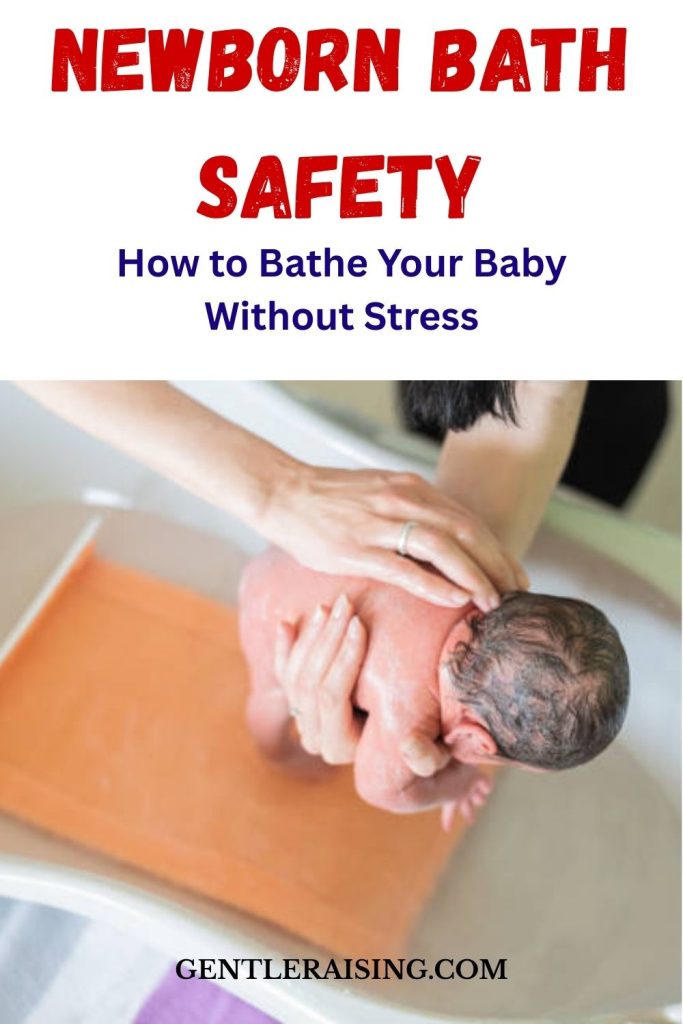
The First Bath Fear Is Real, and You’re Not Dramatic
Let’s just say it out loud. Giving your newborn a bath can feel scarier than the delivery itself. At least during labour, there were professionals everywhere. Alarms. Gloves. Someone telling you what to do.
Now it’s just you, a slippery baby, and a sink.
If your heart raced the first time you even thought about bathing your newborn, you’re in good company. New parents, mothers, fathers, partners, and grandparents stepping in to help all tend to have the same quiet worry: What if I do this wrong?
Here’s the calm truth. Newborns are more resilient than they look, and you don’t need perfect technique. You need gentleness, warmth, and attention. The rest? It comes with practice.
And yes, you’ll probably feel awkward the first time. Honestly, that’s normal.
Do Newborns Really Need Baths Right Away?
Short answer? Not really.
Longer, more comforting answer: newborns don’t need frequent baths at all in the beginning. In fact, many paediatricians recommend waiting 24–48 hours after birth before the first bath. Some hospitals even delay it longer to protect the baby’s skin and help regulate body temperature.
Newborn skin is thin and sensitive. That creamy coating you noticed at birth, vernix, isn’t dirt. It’s a natural moisturiser and protective barrier. Washing it off immediately isn’t necessary.
For the first couple of weeks, most babies do best with sponge baths only, especially while the umbilical cord stump is still healing.
So if you’ve been wondering, Why does this feel like such a big deal?, It’s because it kind of is. But it’s also simpler than it looks.
Timing Matters More Than You Think
You could do everything “right” and still end up with a screaming baby if the timing is off.
Newborns don’t run on schedules yet, but they do have patterns. The sweet spot for bath time is usually:
- When the baby is awake but calm
- Not immediately after a feeding (spit-up happens fast)
- Not when they’re overtired and fussy
Many parents like evening baths because the warm water can be soothing. Others swear by midday baths when the baby is most alert. There’s no universal rule here.
Here’s the thing, bath time doesn’t have to be a routine yet. Right now, it’s just a task. You’re learning from each other.
If today’s not the day? That’s okay. Babies don’t come with deadlines.
Set the Scene Before Baby Is Cold and Naked
This part matters more than the bath itself.
Before you undress your newborn, pause. Take two minutes. Gather everything first. Once the baby is uncovered, you won’t want to step away, not even for a towel.
Aim for a warm, draft-free room. If it feels comfortable to you in a T-shirt, it’s probably fine for the baby. If it feels chilly? Turn up the heat a bit.
Water temperature should be warm, not hot, think of the water you’d use to wash your face. If you’re unsure, test it with your wrist or elbow.
And maybe take a breath. You’re about to do something very normal, even if it feels big.
What You Actually Need (Not What Social Media Pushes)
Let’s keep this grounded. You don’t need a spa setup.
Here’s what most parents actually use:
- A clean sink, small baby tub, or basin
- Soft washcloths (cotton works well)
- Mild baby soap (brands like Aveeno Baby, Cetaphil Baby, or Johnson’s, simple is fine)
- A hooded towel
- Clean diaper and clothes
- Optional: baby lotion or oil (fragrance-free)
That’s it.
You’ll notice I didn’t mention bubbles, fancy thermometers, or ten different products. Those can wait. Right now, less is more, especially for sensitive newborn skin.
Step-by-Step: How to Give Your Newborn a Bath
Let’s Start With Sponge Baths (The Early Weeks)
Sponge baths are the go-to method until the umbilical cord stump falls off and heals.
- Lay the baby on a soft, flat surface. A towel on the bed works well.
- Keep the baby wrapped, exposing only the area you’re washing.
- Dip the washcloth in warm water and wring it out.
- Start with the face, no soap. Gently wipe eyes from the inner corner outward.
- Move to the neck, arms, and torso. Use a small amount of baby soap if needed.
- Clean the diaper area last.
- Pat dry. Don’t rub.
Slow is good here. Talk to your baby. They may not understand the words, but they hear the calm in your voice.
Now the Tub Bath (Once the Cord Is Gone)
When the umbilical cord has fallen off and the area looks dry, tub baths are usually fine.
- Fill the tub with 2–3 inches of warm water.
- Support the baby’s head and neck at all times.
- Lower them in slowly, feet first.
- Keep one hand on the baby, always.
- Wash gently, then lift out promptly.
This is where babies can get slippery. Keep your grip steady and confident. If your hands feel slick, that’s normal; just adjust, don’t panic.
The Umbilical Cord Question Everyone Has
Let’s clear this up.
Until the cord stump falls off:
- Avoid submerging it in water
- Stick to sponge baths
- Keep the area clean and dry
Once it falls off:
- Tub baths are usually okay
- Watch for redness or oozing
If something looks off, trust your instincts and check with your paediatrician. Most cords heal just fine with minimal fuss.
Faces, Hair, and Those Tiny Folds
Newborns don’t need daily hair washing. Once or twice a week is plenty.
When you do wash your hair:
- Use a drop of baby shampoo
- Support the head
- Rinse carefully to keep soap out of eyes
And don’t forget the folds, neck, armpits, behind the ears, thighs. Milk and moisture love to hide there. Clean gently and dry well.
Honestly, this part feels like detailing a very small, wiggly car.
What If Baby Cries? (Because Sometimes They Will)
Some babies love baths. Others protest loudly.
Crying doesn’t mean you’re doing it wrong. It often means the baby is adjusting to a new sensation, water, air, or movement.
If crying ramps up:
- Speak softly
- Move efficiently
- End the bath early if needed
You’re not failing if the bath lasts three minutes. You’re responding.
After the Bath: The Cosy Payoff
This is the good part.
Wrap the baby in a warm towel right away. Pat dry. Take your time with lotion if you use it. Newborn massages can be lovely, but they’re optional.
Many babies relax deeply after a bath. Some even drift toward sleep. Others… get a second wind. Both are normal.
This moment, warm, quiet, close, is bonding. You’ll remember it more than the bath itself.
How Often Should You Bathe a Newborn?
Here’s where parents often overthink.
Two to three times a week is plenty. More isn’t better. Daily baths can dry out newborn skin.
Between baths, you can:
- Clean the face daily
- Wipe hands as needed
- Focus on the diaper area
Clean enough is clean enough.
Common Mistakes (No Shame Here)
We’ve all done one of these:
- Bathing too often
- Using too much soap
- Forgetting the towel
- Rushing because the baby cried
None of these makes you a bad parent. They make you a learning one.
Bath Time With Partners or Siblings
If you have a partner, sharing bath duty can be a great confidence builder. One holds, one washes. Team effort.
With older siblings, let them watch or help with towels, but keep hands-on bathing to adults. Safety first.
When Bath Time Gets Easier
Around the 6–8 week mark, something shifts. Baby holds their head a little better. You move more smoothly. The fear fades.
One day you’ll realise, you’re not nervous anymore. You’re just doing it.
Final Reassurance (Because You Need to Hear This)
You don’t need to be perfect. You need to be present.
Your baby doesn’t care if the bath is Pinterest-worthy. They care about warmth, safety, and your touch.
And you’re already giving them that.
Honestly? You’re doing better than you think.