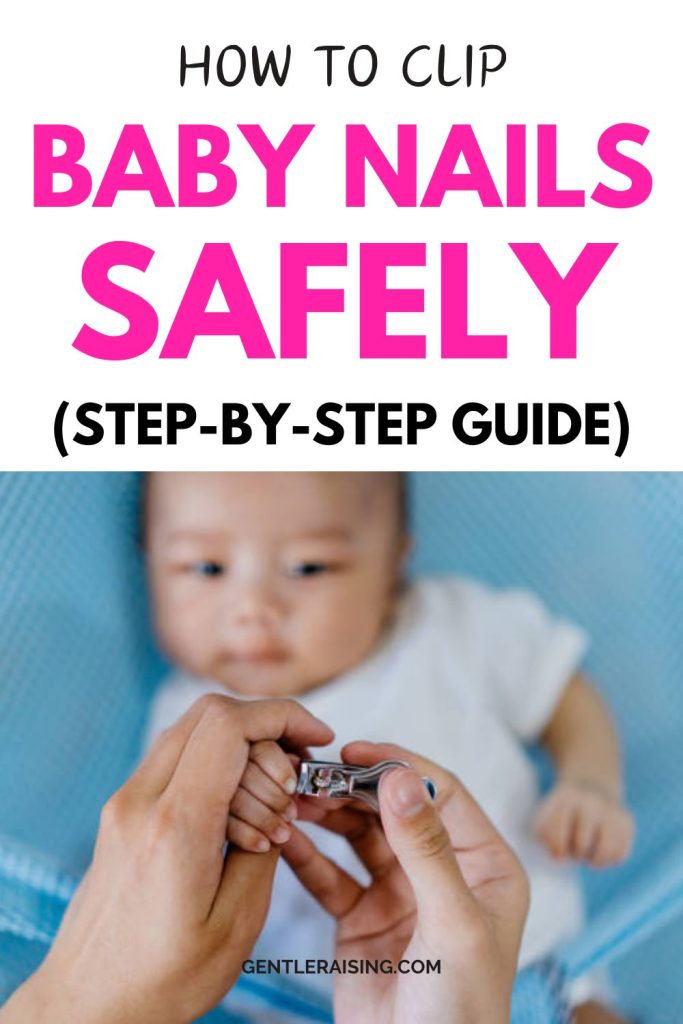
If you’re staring at your baby’s tiny fingers thinking, There’s no way I’m going near those with clippers, you’re not alone, not even a little. Many parents confess that clipping baby nails ranks suspiciously high on their list of “nerve-wracking new-parent tasks,” right next to giving the first bath or mastering that midnight swaddle that somehow comes undone every single time.
Honestly, even seasoned parents feel a flicker of worry when they approach those soft little nails. It’s the combination of sleepy wiggles, unpredictable hand flutters, and the fact that baby fingers look so much more fragile than they actually are.
But here’s the thing: trimming your baby’s nails doesn’t have to feel like a high-stakes operation. With the right guidance, a bit of patience, and maybe a pep talk or two, you can handle it smoothly.
This guide walks you through the process in a conversational, real-life way, not the robotic, “textbook perfect” style that makes you feel like you’re doing it wrong if your baby wiggles even once. You’ll learn what tools help, when to trim, how to position yourself, and what to do if your hand slips a little (it happens). Think of this as a friendly companion sitting next to you at 7 p.m. when you’re trying to catch your baby between those unpredictable “I’m calm now” windows.
Let’s begin.
Getting to Know Baby Nails. Soft Yet Somehow Sharp
Baby nails are a bit of a contradiction. They’re thin and soft, almost papery, but they somehow manage to sharpen themselves like tiny, adorable blades. One minute, they look harmless; the next, your baby swipes their cheek or your neck and leaves a scratch that makes you question everything.
Why does this happen?
Because baby nails grow fast. Really fast. Some newborns need a trim within the first week, especially if they’re already scratching themselves during sleep. Others can go a little longer. The growth rate depends on genetics, nutrition, and just…baby biology doing its thing.
And unlike our nails, which have a harder structure, baby nails bend and flex when you apply pressure. That’s why clipping them requires a slow, gentle approach; you often have to lift the nail slightly to prevent snipping the skin beneath it.
A quick note: toenails grow slower than fingernails, so you may trim fingers weekly but toes every two weeks or so. If you feel like the fingernails won’t stop growing, you’re not imagining it. Many parents joke that baby nails grow “like weeds in spring.”
Tools That Make Trimming Less Intimidating
You don’t need a whole arsenal, but using the right tools helps more than you’d expect.
Here are the main options:
1. Baby Nail Clippers
These look similar to adult clippers but smaller, with shorter blades and a rounded shape. Brands like FridaBaby, Safety 1st, and The First Years make reliable versions. Many include a built-in LED light, which is a lifesaver when you’re working in a dim nursery or during nap-time stealth mode.
2. Baby Nail Scissors
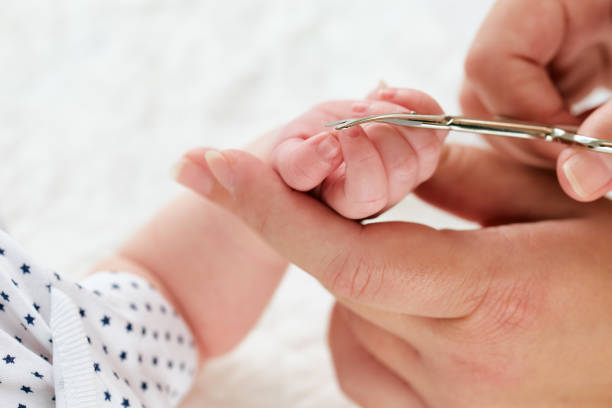
These have rounded tips and allow a more controlled snip, especially helpful if your baby is very tiny or if their nails are extremely soft. They feel gentler, and some parents say the scissor motion feels less scary than a clipper’s sudden “snap.”
3. Emery Boards
These are great for smoothing edges or for the days when you’re just not in the mood to risk a clip. Some parents stick to filing entirely for the first few weeks. Baby-specific emery boards are softer than adult ones, so they won’t drag or catch.
4. Electric Nail Files
A modern favourite. Devices from brands like Haakaa, Little Martin’s Drawer, and FridaBaby come with gentle, cushiony rotating pads that file the nail down without any sharp motion. They make a soft whirring sound; some babies find it soothing, others give you a suspicious side-eye like you’ve just brought out a power tool.
Electric files can be great for wriggly babies, though they take a bit longer than clipping.
Why Not Use Adult Tools?
Adult clippers are too big, too sharp, and designed for nails that don’t bend like paper.
Think of using them on baby nails like trying to cut tissue paper with garden shears, possible, but wildly inaccurate.
When to Trim. Because Timing Can Make or Break the Experience
Here’s where many parents accidentally make things harder for themselves. Nail trimming is about timing. Not just the day of the week but the moment.
Some sweet spots:
After a Warm Bath
A warm bath softens the nails, making them easier to clip. Babies also tend to be calmer afterwards, unless bath time revs them up like it does for some little ones. If your baby comes out of the tub laughing like it’s a theme-park ride, maybe this isn’t your moment.
During Deep Sleep
This is a classic move. A baby in deep sleep will barely budge, and their fingers loosen naturally. Just make sure you have good lighting.
Some experts caution against sleeping trims because of the risk of startling the baby, but realistically? Many parents find it the easiest method. If you go slow and gently, it’s perfectly fine.
While Feeding
Feeding keeps the baby calm and steady. Whether breastfed or bottle-fed, they’re usually relaxed enough to let you work on one hand while they’re fully focused on eating.
After Morning Stretch Time
You know that moment when babies wake up, stretch like a cat, and stare into the middle distance as if contemplating the meaning of life? That’s surprisingly a great moment. They’re calm, not hungry yet, and usually more cooperative.
Regardless of the timing technique you choose, consistency is key. After a few weeks, you’ll notice patterns, those little windows of stillness you can count on.
Setting Up: Creating a Safe, Steady Spot
Trimming baby nails isn’t a task you want to rush. Creating a calm environment helps both you and your baby.
Lighting Is Your Friend
Use bright, diffuse light. A desk lamp, a ring light, or a near-window afternoon glow works well. Some parents swear by the tiny LEDs built into certain clippers, and honestly, they work better than you’d expect.
Comfortable Positioning
- Sit in a chair with back support
- Rest your baby on your lap
- Or place them on a firm pillow or a changing mat
Your posture matters more than you think. Leaning forward in a tense chicken-wing pose only makes your hand shakier.
There’s usually a “best spot” in every home, a couch corner, rocker seat, nursery chair, that just feels easier for tasks requiring a steady hand. If you haven’t found yours yet, you will.
Keep Your Tools Within Reach
Once you start, you’ll want to keep one hand on the baby. Nothing throws off your flow like having to stretch across the room for the file.
How to Clip Baby Nails Safely (Step by Step)
Let’s get into the practical steps, the heart of this whole guide. Whether you’re using clippers, scissors, or a file, the principles are the same.
1. Hold Your Baby’s Hand Gently but Securely
Cradle their hand so their palm faces you. Some parents like to tuck the baby’s arm under their own armpit to stabilise it. It looks odd, but it works.
2. Press the Finger Pad Down Slightly
This small motion makes the nail edge lift away from the skin. It’s one of the most important techniques—it reduces the chance of clipping skin instead of nail.
3. Trim a Small Portion at a Time
Think tiny snips. Don’t try to take off the entire nail edge in one motion. Slow trimming helps you stay confident.
4. Follow the Natural Curve
Baby nails curve gently. Just follow that shape. Don’t round the corners too much—straightish edges help prevent ingrown nails.
5. Smooth Any Rough Spots
Use an emery board or electric file to smooth edges. Babies scratch themselves mostly with sharp corners, so this step matters.
6. Move Calmly, Even If Baby Wiggles
Wiggles aren’t a sign you’re doing anything wrong. Babies just…wiggle. If they pull away, release their hand and try again in a moment.
7. Celebrate the Moment (And Breathe Out)
When you finish both hands, it’s completely normal to feel like you accomplished something huge. Because you did.
Special Considerations for Different Baby Temperaments and Ages
Newborns
Newborn nails peel naturally sometimes; you can gently file or peel off loose bits without clipping the entire nail. Just avoid pulling anything firmly attached.
Wriggly Babies
For babies who never stop moving, use:
- A pacifier
- White noise (Shusher, Hatch machine, or a phone app)
- A soft teether toy
- A song with a steady rhythm
Some parents trim one nail at a time throughout the day instead of doing all ten at once. That’s totally valid.
Babies With Sensory Sensitivities
Some babies dislike the sound of clippers. In these cases:
- Try electric files
- Trim during sleep
- Or let the baby touch the tool first
Sensory comfort makes the experience smoother for everyone.
What If You Accidentally Nick Your Baby?
Here’s a truth almost every parent experiences: one day, you will trim too close or accidentally nick the skin. And yes, it’ll feel awful, but your baby will be okay.
If it happens:
- Use a sterile gauze pad or soft cloth to apply gentle pressure.
- Most bleeding stops within seconds.
- Avoid liquid bandages.
- Skip adhesive bandages, they’re a choking hazard.
Your baby may fuss mainly because they sensed your reaction. Stay calm, hold them close, and they’ll settle. And no, this doesn’t mean you’ve failed. It means you’re human.
Habits That Make Nail Care Easier Over Time
Weekly Nail Checks
You don’t need a strict schedule, but a weekly glance at their nails prevents surprise scratches.
Pair Nail Care With Bonding
Some parents trim nails during cuddle time while chatting softly. Others make it a small ritual, Sunday trim, Monday smooth, however you want.
Model Calmness
Babies sense tension. If you exhale slowly or narrate gently (“Almost done…you’re doing great”), they pick up on that calm energy.
Real Parent Tips That Actually Work
Here are things parents around the world genuinely do, practical, imperfect, and totally valid:
- Trim nails while being bathed by nurses. The hand not holding the bottle or breast is usually still.
- Use a favourite song. Something repetitive like “Twinkle, Twinkle” can be magically steadying.
- Try trimming after a long stroller walk. Fresh air makes many babies mellow.
- Warm your own hands first. Cold hands startle babies.
- Clip one nail at a time throughout the day if needed. Not everything has to be all-or-nothing.
And here’s a mild contradiction that’s worth untangling:
Some parents swear you should never trim while the baby sleeps. Others say it’s the only time their child stays still. Who’s right?
Both. It depends on the household rhythm, the baby’s sleep patterns, and your personal comfort level. If your baby sleeps deeply and you feel confident, it can be a perfect opportunity.
Frequently Asked Questions (Realistic and Honest)
Should I bite my baby’s nails instead of clipping them?
No. This was a common practice decades ago, but it can introduce bacteria and cause tears that heal poorly.
How short is too short?
Leave a thin sliver of white nail at the tip. If the nail edge is flush with the skin or feels rough, it’s too short.
What if my baby’s nails peel naturally?
That’s common in newborns. You can gently file or remove the peeling layer, but don’t pull anything that feels attached.
Can I use mittens instead of trimming?
Mittens help prevent scratches, but babies use their hands to explore and self-soothe. Mittens should be used temporarily, not as a replacement for trimming.
What about ingrown toenails?
Baby toenails sometimes curl downward. Trim straight across and avoid rounding corners.
A Gentle Wrap-Up
If trimming baby nails still feels intimidating, that’s okay. Every parent has that one task that makes them hesitate; maybe yours just happens to involve tiny fingers that seem too delicate for clipping. But with practice, you’ll find your rhythm. You’ll learn your baby’s calm windows, the tools that feel right in your hand, and the small rituals that keep both of you relaxed.
You know what? You’re doing beautifully already, just by caring enough to learn. Baby nails will grow; your confidence will grow right along with them.
And one day, months from now, you’ll trim those tiny nails without a second thought, and you might even smile at how big those fingers have become.