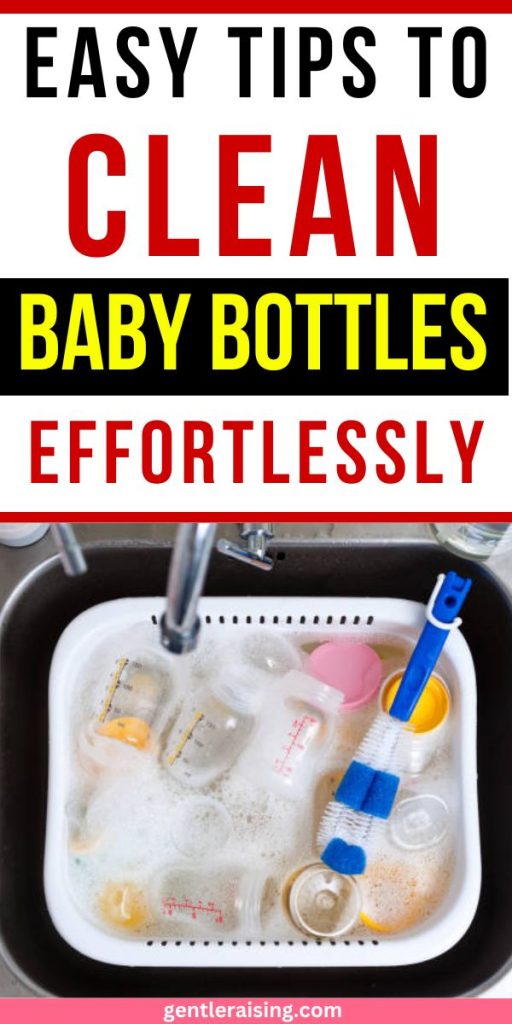
Let’s just be honest for a second, cleaning baby bottles isn’t exactly a glamorous part of parenthood. It’s repetitive, it’s time-consuming, and sometimes… It’s 2 a.m. and you’re standing at the sink with your eyes half-closed, wondering, “Did I clean this nipple or just stare at it?”
But here’s the good news: It doesn’t have to be stressful, confusing, or never-ending. Whether you’re a first-time mama still learning the ropes or a seasoned parent managing a baby and a toddler tornado, this guide will walk you through the how, when, and why of keeping baby bottles clean, without the overwhelm.
Why Cleaning Baby Bottles Matters (No Fear Tactics Here)
Let me explain. When it comes to bottle feeding, whether it’s breast milk, formula, or a mix, the key isn’t obsessing over hospital-grade sterility. It’s about making sure you’re not feeding your baby yesterday’s milk residue.
Milk (even breast milk) leaves behind a thin film. That film? It’s basically the favourite party spot. And your baby’s immune system, especially in those early months, isn’t ready to crash that kind of party.
Plus, tiny tummies are delicate. So a little effort in keeping things clean now can help avoid gas, upset bellies, and long nights of you Googling symptoms while rocking a fussy baby.
Bottles Aren’t All the Same: Why Some Need a Bit More TLC
Not all bottles clean up the same way. And if you’ve stood in the bottle aisle feeling utterly betrayed by the number of choices, girl, you’re not alone.
Let’s break it down:
- Glass bottles – Easy to clean, don’t scratch, and don’t hold odours. But heavier and yes, breakable.
- Plastic bottles – Lightweight, affordable, but can get cloudy or scratched over time (which can harbour bacteria).
- Silicone bottles – Squishy, modern, and cute, but sometimes harder to dry completely.
- Narrow-neck vs. wide-neck – Narrow bottles = annoying to clean. Wide-neck = easier access but may require different brushes.
- Anti-colic systems – More pieces = more cleaning. Those vent systems? You really want to clean them well.
So while the cleaning method is similar, the bottle material and shape can change how thorough (or patient) you need to be.
The Right Way to Clean Baby Bottles. Step by Step (No Frills, Just What Works)
Here’s the thing: You don’t need a lab coat and a sterilisation chamber. But you do need some consistency and a little attention to detail.
First, Gather Your Tools:
- A clean basin (not your sink)
- Bottle brush (one with a nipple cleaner on the end is handy)
- Mild, fragrance-free dish soap
- Clean drying rack (dedicated to baby stuff)
- Towel or drying mat (optional, but helps for base support)
Step 1: Rinse Right Away
Even if you can’t wash it immediately, rinse the bottle with warm water to remove milk residue. Trust me, dried milk is stubborn and kind of gross.
Step 2: Soak in Warm Soapy Water
Fill your basin with warm water, a few drops of baby-safe soap, and let everything soak for a few minutes. (Not hours, mmouldloves that.)
Step 3: Scrub With Intention
Use the bottle brush to clean inside the bottle. Then flip it and clean the neck and bottom rim. Nipples, rings, and caps all need individual attention. Flip the nipple inside out and scrub gently. If your bottle has vents or inserts, get into every nook. Bacteria love to hide in crevices.
Step 4: Rinse. Thoroughly.
Leftover soap + baby’s belly = potential disaster. Rinse under clean running water until it feels like every bubble is gone.
To Sterilize or Not To Sterilize?
You hear conflicting advice, right? So here’s the truth:
Yes, SteriliseBut Not Obsessively
You don’t need to sterilise after every use unless your baby is premature or has immune issues. But you should sterilise:
- Before the first time use of any new bottle
- Once a day during the newborn stage (0–3 months)
- After illness, diarrhoea, or thrush
How toSterilisee:
- Boiling Water Method
- Submerge parts in boiling water for 5 minutes.
- Remove with tongs and air dry on a clean surface.
- Dishwasher (Top Rack Only)
- Check the bottle is dishwasher-safe.
- Use a mesh basket or bottle-specific dishwasher rack.
- Hot water cycle + heated dry is key.
- Electric Steam Sterilisers
- Quick, effective, and great if you’re sterilising a lot. But a bit bulky.
- Microwave Steriliser Bags
- Great for travel or tight spaces. Just add water, toss in the bottle parts, and zap away.
Do You Have To Sterilise?
Not after every single feed. Once your baby’s over 3 months and healthy, washing well in hot, soapy water is usually enough.
How to Dry Bottles (And Why It Matters More Than You Think)
Drying doesn’t seem like a big deal until it is. Moisture left behind becomes a bacterial playground.
- Avoid towels – They transfer lint and bacteria. And if it’s been hanging in your kitchen for a week… well.
- Use a bottle drying rack – Those cute flower or grass racks? Practical too.
- Let them air dry upright – Faster, cleaner, and safer.
- Wipe your drying rack regularly – You’d be surprised how gross they can get.
Bonus tip: Drying bottles near a sunny window can help naturally reduce bacteria.
How Often Should You Clean Baby Bottles?
In short? Every. Single. Time. No matter if your baby only drank an ounce or didn’t touch it.
Here’s why:
Milk leaves behind proteins and sugars that break down quickly. Even a 30-minute delay in cleaning can turn into a grime-fest.
Overnight bottle? If you’re doing night feeds, prep two bottles, one for the feed, one for the morning cleanup. Just don’t reuse without washing.
Missed a Spot? What to Do When Bottles Smell Off or Look Cloudy
You notice a bottle smells… funky. Or the nipple looks yellowed. What now?
Here’s how to tackle it:
- Cloudy bottle or white film?
- Mix 1:1 white vinegar and water.
- Soak for 30 minutes, rinse thoroughly.
- Spots of mould?
- Toss it. Especially nipples, they’re porous.
- Persistent odour?
- Boil the bottle for 5 minutes with a teaspoon of baking soda.
And if you’re wondering, “Should I just buy new ones?”, if you have to ask, you probably should.
Cleaning Bottles While Travellingggg (Yep, It’s PossibleMicrowasteriliser
- Microwasteriliserzer bags – Flat, portable, and hotel microwave-ready
- Portable UV sterilisers – Great if you’re on the go and want something quick
- Boiling water in an electric kettle or pot – Old-school but effective
If you’re on the road a lot, consider bringing a mini cleaning kit in a zip pouch with soap, a travel brush, and a steriliser bag.
Bottle Cleaning Myths (Let’s Bust a Few)
Let’s set the record straight.
- “Hot water is enough.” Nope. You need soap.
- “If the bottle stays refrigerated, it doesn’t need cleaning.” Please don’t try this. Cold doesn’t kill bacteria.
- “Dish soap is too harsh for babies.” Not if it’s mild and fragrance-free.
- “Sterilising = clean.” Sterilising a dirty bottle just bakes in the gunk. Wash first!
Pro Tips from Moms Who’ve Been There
We asked real moms what saved their sanity:
- “I keep a separate sponge for baby stuff and replace it weekly.”
- “My drying rack is on a lazy Susan, easier to spin and grab.”
- “I soak bottles in warm soapy water while I’m putting the baby down, then it’s ready for scrubbing.”
- “I set a reminder on Alexa every night: ‘Wash bottles!’ because I will forget.”
When to Replace Bottles & Nipples
- Plastic bottle scratched or cloudy? Time to toss it.
- Nipple thinning, sticky, or has a crack? Replace it.
- Valve systems warped or leaking? They’re no longer safe.
Glass bottles can last forever if unbroken, but check the nipple and parts regularly.
Clean Bottles, Calmer Mind
Let’s be real, there’s something weirdly satisfying about seeing a row of clean, dry baby bottles lined up, ready to go. It feels like control in the middle of chaos. A small ritual of love, even when the rest of your house looks like a toy explosion.
So yes, cleaning bottles is one of those invisible parenting tasks that no one claps for, but it matters. And you’re doing it. Sleep-deprived, overwhelmed, probably with baby spit on your shirt, but still doing it.
And that, mama (or dad), is pretty amazing.