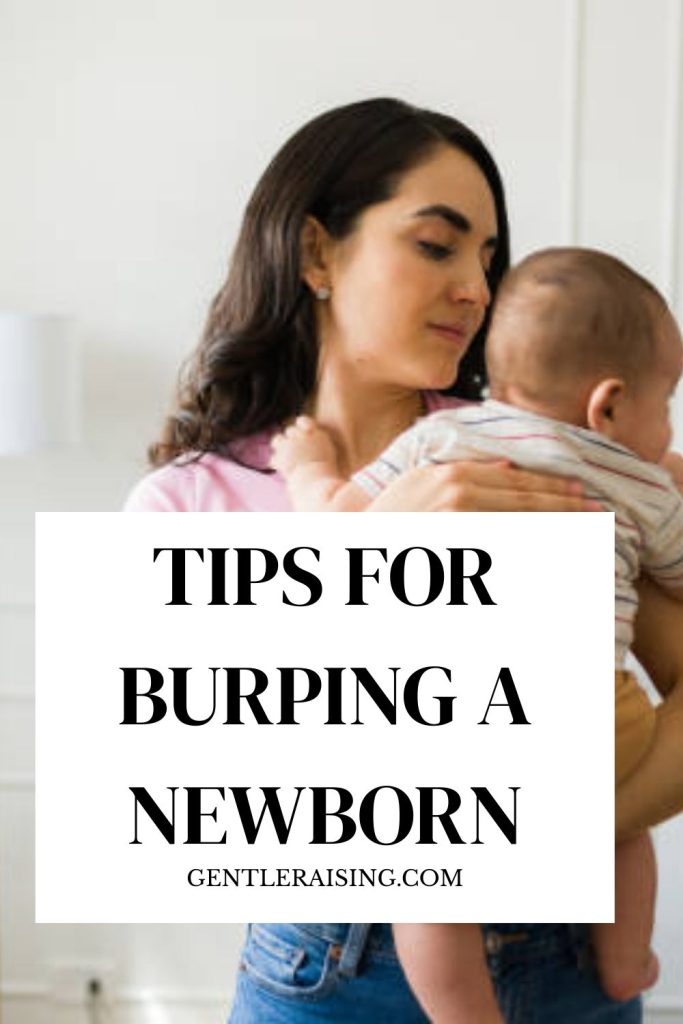
Introduction – Why Burping Matters
There’s something oddly satisfying about a baby’s burp. That little puff of air, sometimes soft as a sigh, other times shockingly loud for such a tiny body, can feel like a major parenting win. But if you’ve ever fed your baby, tucked them in, and then heard that familiar grunt, you already know: babies need help getting rid of swallowed air.
Burping isn’t glamorous, but it matters. It prevents trapped gas, reduces spit-ups, and often turns a fussy baby into a calm one. For parents, it can mean the difference between a restless night and a peaceful stretch of sleep. And yes, sometimes it feels like a waiting game, you pat, rub, and sway while your little one looks at you like, What are we even doing here? But once that burp comes, you both feel the relief.
So, how do you burp a baby properly? Is there one best way? Or is it more of a “try and see what works” situation? Let’s break it down, with a mix of science, real-life tips, and a few truths that only parents discover along the way.
The Science of Baby Burps (Made Simple)
Babies swallow air, lots of it. Every time they feed, whether from breast or bottle, they take in tiny pockets of air along with milk. Adults do this too, but here’s the catch: our digestive systems are mature enough to handle the buildup. Babies, especially newborns, don’t have the muscle control or gut maturity to move air efficiently. That’s where burping comes in.
Air bubbles trapped in the stomach can cause pressure. Imagine blowing up a small balloon inside your belly; that’s what it can feel like. For a baby, that pressure leads to discomfort, fussiness, or even spit-up. Sometimes it makes them arch their back, squirm, or pull off the nipple in frustration.
The good news? A well-timed burp often solves the problem. It’s like releasing the valve on a pressure cooker: the tension eases, and suddenly your baby relaxes. That’s why paediatricians encourage parents to burp during and after feeds.
When Should You Burp a Baby?
This is where things get a little tricky because babies aren’t all the same. Some burp easily after every feed. Others barely seem to need it. But there are a few helpful rules of thumb.
- Mid-feed: If your baby gulps milk quickly or seems restless, pause halfway through to burp. This helps release air before their stomach gets too full.
- After feeding: Always try for a burp when they’re finished, even if they seem content. Sometimes the burp comes out quickly; other times, it hides until you change positions.
- Watch for cues: If your baby starts squirming, wriggling, or arching their back mid-feed, that’s often a sign they need help.
A quick myth check here: some people say breastfed babies don’t need burping. While it’s true they usually swallow less air than bottle-fed babies, they’re not immune. Fast let-down, shallow latch, or even just a distracted baby can lead to swallowed air. So yes, breastfed babies can need burping too.
The Classic Burping Positions
If you’ve seen a parenting book, you’ve probably seen these. But what nobody tells you is that each position feels different depending on your baby’s age, size, and mood. Let’s walk through them.
Over-the-Shoulder
The old reliable. Place your baby upright against your chest, resting their chin on your shoulder. Support them with one hand under their bottom while gently patting or rubbing their back with the other.
Pros: Great for snuggles. Works well with newborns. Often leads to those big, satisfying burps.
Cons: Can get messy if your baby spits u; keep a cloth handy.
Sitting on Your Lap
Sit your baby upright on your lap, facing sideways. Support their chest and head by cradling their chin in your hand (not the throat—always be gentle). With your other hand, pat or rub their back.
Pros: Easier on your back compared to shoulder burping. Let’s see your baby’s face and cues.
Cons: Some babies slump forward or resist sitting upright when they’re very young.
Lying Across Your Lap
Lay your baby tummy-down across your thighs. Support their head so it’s slightly higher than their chest, then gently pat their back.
Pros: Works well for smaller babies or when they’re too sleepy to sit upright. Also helps relieve gas.
Cons: Not always comfortable for babies who dislike being on their stomachs.
Tip: Sometimes switching between positions makes the burp come faster. Think of it like shaking a soda can, except gentler, obviously.
Gentle Techniques That Actually Work
Here’s the thing: burping isn’t just about patting. Sometimes rubbing works better. Sometimes walking around does the trick. It’s a bit of trial and error.
- Patting vs rubbing: A firm, rhythmic pat works for most babies. But some respond better to gentle circular rubbing along their spine.
- Movement helps: Try rocking in a chair, pacing around, or bouncing gently on an exercise ball. The motion encourages air bubbles to rise.
- Burping aids: A soft burp cloth is a must. Feeding pillows can help position your baby more comfortably. Some parents swear by special “gas relief” wedges or positions, though results vary.
And don’t underestimate the power of time. Sometimes the burp comes in seconds. Other times, it takes a good five minutes. That’s normal.
Common Struggles (And What To Do About Them)
What if your baby just won’t burp? It happens. Here’s how to handle it.
- How long should you try? Generally, give it a few minutes. If nothing comes, it’s okay to stop and move on. Some babies don’t need to burp every time.
- Burps with spit-up: Keep a burp cloth or towel close. Spit-up is normal, especially in the first months. As long as your baby is gaining weight and not in distress, it’s usually nothing to worry about.
- Night feeds: Burping a sleepy baby feels like solving a puzzle. Try keeping the lights dim and your voice low. Use gentler movements so they don’t fully wake up.
A side note here: you’ll quickly notice burps vary. Some sound like little squeaks. Others are shockingly adult-like. Both are fine—as long as your baby seems comfortable afterwards.
Special Considerations
Babies with Reflux
If your baby spits up frequently, burping is extra important. Keep them upright for at least 20–30 minutes after feeds, and stick to gentle techniques. Avoid laying them flat immediately.
Preemies
Preemies often need extra help because their digestive systems are even less mature. Take it slow, be gentle, and work closely with your doctor for specific guidance.
Parents Recovering from C-Section
If lifting your baby to your shoulder is uncomfortable, stick to lap positions. Use pillows to support your arms and reduce strain. Comfort matters for you, too.
Twins or Multiples
Burping back-to-back can feel like a juggling act. Some parents find it easier to burp one midway, then switch while the other rests in a safe spot.
Myths, Questions & Funny Truths Parents Discover
Parenting comes with a lot of old wives’ tales. Let’s clear a few up.
- “If the baby doesn’t burp, they’ll be up all night.” → Not always true. Some babies swallow little air and genuinely don’t need much burping.
- “You must burp for 30 minutes.” → Nope. Most burps come within 5–10 minutes. If it hasn’t happened by then, move on.
- “Formula-fed babies always need burping.” → They often do, but again, it depends on the baby and the bottle type.
Funny truth: some babies burp like tiny lions. Others barely squeak. You’ll learn your baby’s “burp personality” over time.
And culturally, burping varies, too. In some parts of Asia, grandmothers swear by circular rubbing instead of patting. In the West, firm pats are the go-to. Both work; the point is finding what soothes your baby.
Practical Tips for Parents (Because Real Life Is Messy)
- Always have burp cloths or bibs within reach. Babies have excellent aim when it comes to spit-up.
- Dress your baby in comfy clothes, nothing too tight around the belly.
- Try burping before naps so gas doesn’t keep them restless.
- If one method doesn’t work, switch positions. Sometimes gravity just needs a little help.
- And most importantly, stay calm. Babies sense tension. If you’re stressed, they often get fussier.
When To Call a Paediatrician
Most burping issues are harmless, but there are times to seek help.
- If your baby is extremely fussy after feeds and rarely burps.
- If the spit-up is forceful or projectile.
- If your baby arches in pain frequently or seems distressed even after burping.
- If they’re not gaining weight or feeding well.
Trust your instincts. If something feels off, don’t hesitate to call your doctor.
Closing Thoughts
Burping is one of those everyday parenting tasks that looks simple but can feel complicated when you’re in the thick of it. There’s no single “right” way, just techniques to try until you find what works for your little one.
Think of burping not just as gas relief, but as bonding time. It’s a chance to hold your baby close, listen to their tiny sounds, and notice their cues. Those few minutes of patting and rocking might be messy or frustrating sometimes, but they’re also moments of connection.
So, how do you burp a baby properly? By being patient, gentle, and responsive. By remembering that every burp, big or small, means your baby is a little more comfortable. And by trusting that with practice, you and your baby will figure it out together.