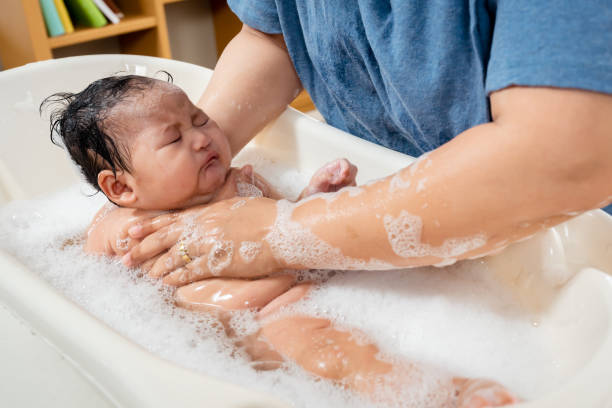
You finally have your newborn in your arms. The tiny hands, the little nose, the soft fluff of hair… and then it hits you: when, exactly, should you bathe this precious little human? Honestly, the question seems simple at first, but soon you realise it’s anything but. Between conflicting advice from family, paediatricians, parenting blogs, and the endless scroll of social media “experts,” it’s easy to feel completely overwhelmed.
The good news? Bathing a newborn doesn’t have to be a stressful ritual. In fact, it can be one of the most soothing and bonding experiences you’ll share with your baby, if you know a few key principles. Let’s break it all down: how often you should bathe a newborn, why less can actually be more, and how to make bath time safe, practical, and even enjoyable.
Do Babies Really Need a Daily Bath?
Here’s the thing: your instinct might be to keep your baby squeaky clean all the time. And who wouldn’t want that fresh-baby smell lingering in the air? But the truth is, daily baths aren’t necessary for newborns.
You might be surprised to learn that newborn skin is delicate, sensitive, and easily irritated.
Daily washing can actually strip away the natural oils that protect their skin, leading to dryness, flakiness, or even eczema flare-ups. Think of your baby’s skin like a tender little garden; it needs some natural “cover” to stay healthy. Over-washing is like constantly pulling weeds that are actually helping the flowers grow.
Honestly, it’s easy to get caught in the trap of thinking cleanliness equals happiness. But sometimes, less really is more. A newborn can go several days without a full bath, as long as their diaper area, face, and hands are kept clean.
Newborn Skin: A Fragile Ecosystem
If you pause for a moment and really look at your baby’s skin, it’s astonishing how delicate it is. A newborn’s epidermis, the outer layer of skin, is just a fraction of the thickness of adult skin. It’s also more permeable, meaning it loses moisture faster and is more sensitive to chemicals, fragrances, and even temperature changes.
Those first few days, your baby’s skin is coated with vernix caseosa, a soft, white substance that looks almost cheesy (don’t worry, it’s normal). Vernix isn’t just for show; it’s a protective barrier that moisturises the skin and guards against infections. Rubbing it off immediately with harsh soaps defeats its purpose.
The takeaway here? Your baby’s skin is a tiny, self-sufficient ecosystem. The oils it produces naturally help with hydration and barrier protection. Too much scrubbing or strong soap can disrupt this balance, leaving the skin dry, irritated, or red.
You know what’s interesting? Many parents feel guilty about not bathing their newborn daily, but studies consistently show that skin health improves when babies are bathed less frequently. Nature knows best, it seems.
Recommended Bathing Frequency
So, how often should you bathe your little one? Most paediatricians recommend 2–3 times per week as a good starting point. That’s enough to keep them clean without over-drying their skin.
Here’s the nuance: this isn’t a strict rule carved in stone. Certain situations call for more frequent baths:
- Messy spit-ups or milk dribbles: A little wipe-down can save a smelly outfit, but a full bath may not be necessary.
- Diaper blowouts: If things get messy (and let’s be honest, they will), a quick bath is justified.
- Hot or humid weather: Babies sweat, too, and a gentle bath can help them feel comfortable.
Conversely, in colder months, babies may only need a bath once or twice a week. Extra baths in winter can dry their skin even faster.
And let’s not forget sponge baths. In the first few days, until the umbilical cord stump falls off, sponge baths are recommended. This involves gently wiping the baby’s body with a soft cloth, avoiding direct submersion in water. It’s a small, protective step that prevents infection and helps the cord heal.
Types of Baths and Techniques
Sponge Baths
As mentioned, sponge baths are ideal for the first week or so. Here’s a simple way to do it:
- Prepare the area: Warm up the room, have a soft towel ready, and a bowl of lukewarm water.
- Wash gently: Use a soft washcloth to clean the face, neck, hands, and diaper area. Avoid soaps at first, unless there’s a visible mess.
- Pat dry: Gently dry your baby with a soft towel, making sure skin folds are dry to prevent irritation.
Sponge baths are simple, but they also help you bond with your baby. The gentle touch, the warmth, the closeness, it’s the first form of massage your newborn will experience.
Baby Tubs vs. Sinks
Once your baby’s umbilical cord falls off, you can transition to tub baths. Parents often debate between using a small baby tub or the kitchen sink. Both work well. Here’s a quick comparison:
- Baby tub: Keeps water contained, can be set on the floor or countertop, allows for gentle sloshing, and some even come with built-in support.
- Kitchen sink: Convenient for back strain, smaller than tubs, and water is easy to fill and drain.
No matter the choice, always ensure water is lukewarm, around 37°C (98–100°F). Test with your elbow or a bath thermometer. Never leave a baby unattended, even for a second.
Products That Actually Help
You might be tempted by all the cute, scented baby products lining the shelves. But simpler is usually better. Look for:
- Mild, fragrance-free baby soaps or cleansers
- Gentle baby shampoo (if needed)
- Soft washcloths or sponges
Brands like Aveeno Baby, Mustela, and Cetaphil Baby are often recommended, but local, gentle options can work just as well. The key is avoiding harsh chemicals and fragrances that can irritate delicate skin.
The Emotional and Ritual Side of Bathing
Here’s something that gets overlooked: bath time isn’t just about hygiene. It’s a ritual, a small moment of connection in your hectic days.
Warm water, gentle splashes, soft giggles, it’s an experience for both baby and parent. Some babies become calm and sleepy after a bath, making it an ideal pre-bedtime routine. Others might get playful, kicking and squealing, giving you a tiny glimpse of their growing personality.
You can even use bath time for subtle learning: naming body parts, singing softly, or feeling textures (like a soft towel or rubber duck). These small interactions are more than just fun; they support early development and language skills.
Common Mistakes Parents Make
Even the most attentive parents stumble. Here’s a little peek at what tends to go wrong:
- Bathing too often: Remember, less can be more. Daily scrubbing isn’t necessary and can irritate skin.
- Using harsh soaps: Fragranced or antibacterial soaps may strip natural oils.
- Water too hot or too cold: Lukewarm is key. Overheated water can burn; cold water stresses the baby.
- Skipping moisturisers: A gentle, fragrance-free baby lotion post-bath keeps skin soft.
- Ignoring folds and creases: Armpits, neck, and diaper area need gentle patting dry to avoid rashes.
You’ll learn as you go, bath time is as much about discovering what works for your baby as it is about cleaning them.
Baby Bath Safety Essentials
Safety is non-negotiable. Here’s a checklist to keep bath time worry-free:
- Water temperature: 37°C / 98–100°F is perfect.
- Never leave a baby unattended: Even a few inches of water can be dangerous.
- Keep supplies close: Towels, washcloths, soap, and a fresh diaper within reach.
- Umbilical cord care: Avoid soaking the stump until it naturally falls off.
- Seasonal awareness: Protect against cold drafts in winter, sun in summer.
A small tip? Have a non-slip towel or bath mat underfoot. You’ll thank yourself when handling a slippery little wiggle.
When to Adjust Your Routine
No two babies are identical, and some may require tweaks:
- Eczema or rashes: Consult your paediatrician, frequent baths may worsen irritation.
- Cradle cap: Gentle washing and soft brushing usually help; over-bathing can aggravate.
- Messy days: Baby spilt formula or had a diaper blowout? Bath time can be flexible.
In other words, let your baby’s needs guide you, not just the clock. Flexibility is part of being a parent.
Quick Tips for Busy Parents
We get it, life with a newborn is hectic. Here are some practical hacks:
- Multi-task: Bath + play + gentle massage, one routine, multiple benefits.
- Time-saving: Keep baby wipes and a warm washcloth handy for quick cleanups.
- Learning moments: Talk, sing, or splash gently. Bath time can double as sensory play.
- Batch prep: Have towels, lotions, diapers, and clothes ready before undressing your baby.
Small steps make the process smoother and less stressful; honestly, it’s a game-changer for sleep-deprived parents.
Conclusion: Bath Time as a Daily Gift
At the end of the day, or rather, at the end of a bath, remember this: there is no perfect formula for how often to bathe a newborn. Each baby is different, and parenting is more art than science.
A balanced approach is usually best: keeping your baby clean and healthy while protecting that delicate skin and, importantly, enjoying the fleeting moments of connection. Bath time isn’t just hygiene, it’s touch, warmth, and the subtle joy of watching your tiny human grow.
So, don’t stress about daily baths. A few gentle soaks each week, combined with careful wiping and moisturising, are often all that’s needed. Embrace these moments. They’re brief, messy, sometimes chaotic, but also full of wonder, laughter, and that unmistakable newborn magic.
Because in the middle of the chaos, the splash of warm water and your baby’s soft coos? That’s where the love really is.