Pregnancy has a funny way of shifting your priorities. Suddenly, you care deeply about things you barely noticed before, like your hips. Not how they look. How they feel. How they ache when you roll over at night. How they complain after standing too long in line. They carry more than their fair share of the load.
If you’re pregnant and your hips feel stiff, sore, wobbly, or just… off, you’re not imagining it. You’re also not broken. Your body is doing something wildly complex, and your hips sit right at the centre of it all.
Here’s the reassuring part: gentle, well-chosen hip exercises can make a real difference. Less discomfort. Better balance. More confidence as your body changes week by week. And no, this doesn’t mean sweating through aggressive workouts or forcing stretches that don’t feel right.
Honestly, it’s about smart movement. Supportive movement. Movement that works with pregnancy instead of fighting it.
Let me explain.
Why Pregnancy Messes With Your Hips (And Why That’s Normal)
Your hips aren’t just joints. They’re part of a busy intersection where bones, muscles, ligaments, posture, and hormones all collide.
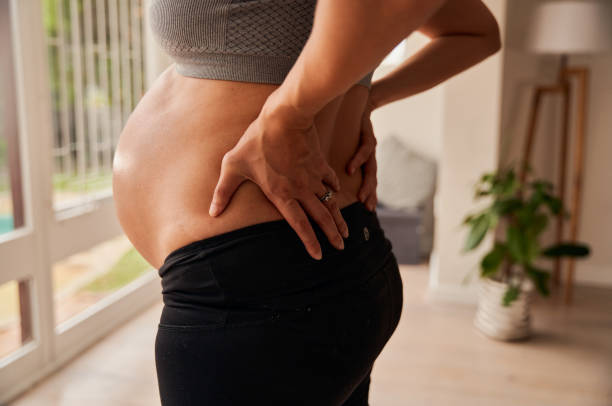
During pregnancy, a hormone called relaxin softens the ligaments around your pelvis. This helps prepare your body for birth, but it also means your hip joints become less stable. Add a growing belly that shifts your centre of gravity forward, and suddenly your hips are doing overtime.
Daily life doesn’t help much either. Sitting more. Sleeping on your side. Standing with one hip popped out because it feels easier. All of that adds up.
Some common hip-related complaints during pregnancy include:
- Achy hips at night
- Sharp pain when turning in bed
- Soreness after walking or standing
- A feeling that one hip is “off”
- Lower back pain that seems to start in the hips
You know what? None of this means you should stop moving. It usually means you need better movement.
A Quick Safety Check Before We Go Further
Before starting any exercise during pregnancy, it’s smart to pause and do a mental check-in.
Hip exercises are generally safe for most pregnant people, but there are moments when you should slow down or talk to your healthcare provider first. That includes if you’ve been told to limit activity, you’re dealing with severe pelvic pain, or you notice sharp, worsening discomfort with movement.
During exercises, watch for signals like dizziness, shortness of breath that feels sudden, or pain that doesn’t ease when you stop. Gentle work should feel supportive, not punishing.
And remember: discomfort from muscles waking up is different from pain that makes you tense or hold your breath. Trust that difference. Your body is pretty good at communicating when we listen.
What “Strong Hips” Actually Means When You’re Pregnant
Strong hips during pregnancy don’t mean tight or rigid. They mean stable but flexible. Supported but not forced.
Think of your hips like the suspension system on a car. They need to absorb shock, adjust to uneven terrain, and keep everything steady, even when the load changes. Pregnancy adds weight and shifts balance, so that system needs a little extra care.
Strong hips can help with:
- Standing and walking more comfortably
- Reducing strain on the lower back
- Improving balance as your belly grows
- Supporting pelvic muscles involved in birth
And yes, this kind of strength matters long after delivery too—especially when you’re lifting a baby at 3 a.m., half-asleep.
The 7 Safe Hip Exercises (Gentle, Effective, and Pregnancy-Friendly)
These moves are simple. Some may look almost too easy. That’s kind of the point.
You’re not chasing intensity here. You’re building awareness, support, and steady strength.
1. Pelvic Tilts (Your Back’s Best Friend)
This one often surprises people with how helpful it feels.
Pelvic tilts gently engage your core and hip muscles while easing tension in the lower back. They’re especially nice when your back feels tired by the end of the day.
How to do it:
Stand against a wall or lie on your back with knees bent (if comfortable). Gently tuck your pelvis so your lower back flattens slightly, then release. Move slowly, breathing out as you tilt.
Why it helps:
It supports hip stability while easing pressure through the pelvis.
2. Side-Lying Leg Lifts (Small Move, Big Support)
This one looks simple, and it is, but it targets the muscles that keep your hips steady when you walk or stand.
How to do it:
Lie on your side with knees slightly bent. Keep your top leg in line with your body and lift it just a few inches. Lower slowly.
Helpful cue:
If you feel this mostly in your lower back, lift less. Smaller is better here.
3. Seated Hip Circles (Sneaky but Effective)
You can do this on a chair, a couch, or even a stability ball.
How to do it:
Sit upright and gently circle your hips, like you’re drawing small circles with your pelvis. Go both directions.
Why people love it:
It improves mobility without strain and feels oddly soothing, especially after sitting too long.
4. Butterfly Stretch (Go Easy Here)
This one can feel great, or too much, depending on the day.
How to do it:
Sit with the soles of your feet together and knees dropping outward. Support your knees with pillows if needed.
Important note:
This is not about pushing your knees down. Let gravity do the work. Or don’t. Both are fine.
5. Cat–Cow (A Classic for a Reason)
This move gently connects hips, spine, and breath.
How to do it:
On hands and knees, inhale as you arch your back slightly, then exhale as you round it. Move slowly.
Why it works:
It eases stiffness and encourages natural pelvic movement, something your body needs during pregnancy.
6. Standing Hip Abduction (Real-Life Strength)
This one mimics movements you already do daily.
How to do it:
Hold onto a chair or wall. Move one leg out to the side, keeping your torso upright. Return and switch sides.
Where you’ll feel it:
Outer hips and thighs are the muscles that help keep you steady on uneven ground.
7. Deep Squat Hold (Only If Comfortable)
This is optional, and it’s okay if it’s not your thing.
How to do it:
With feet wider than hip-width apart and toes slightly turned out, lower into a comfortable squat. Support yourself with a chair or wall.
Why it matters:
This position encourages hip opening and pelvic awareness, which can be helpful later in pregnancy.
How Often Should You Do These?
Here’s the thing: consistency beats intensity every time.
Doing a few of these moves most days, five to ten minutes, is often more helpful than one long session a week. Some people like pairing hip exercises with their morning stretch or evening wind-down. Others sprinkle them between chores.
There’s no perfect schedule. Just a gentle rhythm that fits your life.
Common Mistakes (And Why They Happen)
Many pregnant parents accidentally overdo hip work. It makes sense, you’re uncomfortable and want relief fast.
A few things to watch for:
- Pushing stretches too far
- Holding your breath
- Ignoring one-sided pain
- Comparing your mobility to pre-pregnancy
Progress during pregnancy isn’t linear. Some days you’ll feel loose and strong. Other days, stiff and tired. Both are normal.
How Stronger Hips Can Help During Labor (Yes, Really)
Hip mobility and strength play a role in how comfortably you can move during labor. Positions like squatting, side-lying, or hands-and-knees all rely on hips that can support you without screaming.
No exercise guarantees a certain birth experience, but feeling connected to your hips can boost confidence. And confidence matters more than people admit.
A Quick Word for Partners and Support People
If you’re a father or partner reading this, here’s how you can help: encouragement, patience, and practical support.
Offer a chair. Help set up pillows. Remind your partner to rest when needed. Sometimes just saying, “You don’t have to push through this,” goes a long way.
When to Check In With a Professional
If hip pain feels sharp, constant, or is getting worse despite gentle movement, it’s worth mentioning to a midwife, doctor, or physical therapist trained in pregnancy care.
Getting help early can prevent weeks of unnecessary discomfort. That’s not overreacting, it’s being attentive.
Final Thoughts: Trust the Process (And Yourself)
Pregnancy asks a lot of your hips, more than they’ve probably ever done before. Supporting them with gentle, thoughtful movement isn’t extra; it’s sensible.
Some days you’ll feel strong. Some days, not so much. Both count.
You’re not training for perfection here. You’re building comfort, awareness, and trust in a body that’s doing something remarkable.
And honestly? That’s more than enough.