Let’s be honest, toddler dinnertime can feel like a full-contact sport. You’ve got a tiny human who was perfectly happy eating sweet potato puree three months ago, and now they’re throwing that same sweet potato across the room like it personally offended them. Sound familiar? You’re not alone. Not even close.
The challenge of feeding toddlers isn’t really about nutrition charts or calorie counts. It’s about surviving the 5 p.m. chaos when you’re tired, they’re tired, and somehow you’re supposed to produce a wholesome meal that they might actually eat.
This article is for that exact moment. Real ideas, real food, and a healthy dose of “good enough is genuinely great.”
Why Toddler Dinners Feel So Hard (It’s Not Just You)
Here’s the thing: toddlers are neurologically wired to be suspicious of new foods. It’s called food neophobia, and it peaks between ages 2 and 6. So when your two-year-old suddenly refuses the pasta they ate happily last Tuesday, they haven’t become inexplicably difficult. Their brain is just doing what brains at that stage are supposed to do.
That said, knowing the why doesn’t exactly make the scrambled-eggs-at-7 pm backup plan feel less exhausting. What actually helps is having a rotation of dinners that tick a few boxes at once: nutritious enough that you feel okay about it, simple enough that you can actually make it, and familiar enough that there’s a fighting chance they’ll eat some of it.
Let’s get into those.
The “Deconstructed Plate” Philosophy: Your New Best Friend
Before we get into specific meals, let me explain a framework that changed a lot for me once I started applying it. Forget the beautifully composed dinner plate. Instead, think in components.
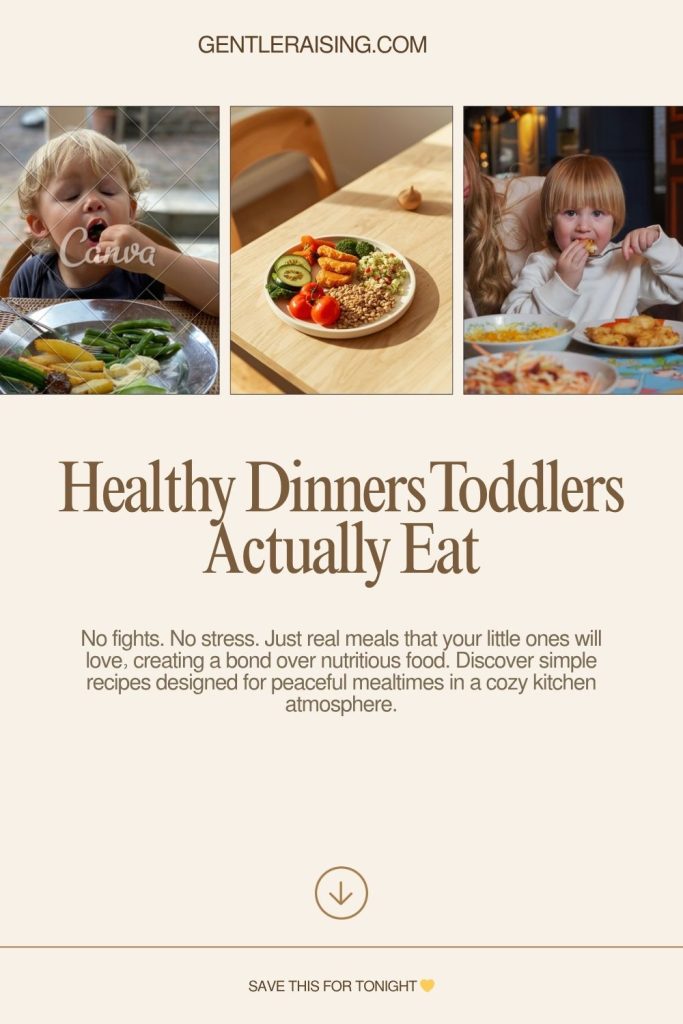
Most toddlers eat better when their food isn’t touching. A protein, a grain or starch, and a veggie presented separately, sometimes in little sections, sometimes even in a muffin tin if you want to feel fun and creative. This is called a “deconstructed plate,” and the reason it works is mostly psychological: toddlers feel control.
They decide what to eat first, what to mix, and what to ignore entirely. That sense of agency reduces the power struggle before it even starts.
Try it with something as simple as shredded chicken, plain rice, and a handful of frozen peas that you’ve microwaved. Nothing touches. Watch what happens.
The Weeknight Lineup: 15 Healthy Dinner Ideas That Actually Work
1. Mini Turkey Meatballs with Hidden Veggies
Okay, “hidden veggies” is a slightly controversial topic among parents; some feel it’s sneaky, others feel it’s survival. You can decide where you fall on that spectrum. But finely grated zucchini or carrot mixed into ground turkey meatballs genuinely adds moisture, and most toddlers can’t detect them.
Make a big batch on Sunday. Freeze half. Warm them up during the week with a side of plain pasta or soft-cooked rice. You can serve them with a little marinara dipping sauce; many toddlers love dipping, probably because it gives them, again, control.
Nutritional win: lean protein, iron, zinc, and whatever vegetable you’ve snuck in.
2. Egg Fried Rice The 15-Minute Lifesaver
Day-old rice, two eggs, frozen peas and corn, a splash of low-sodium soy sauce, and a tiny drizzle of sesame oil. That’s it. The whole thing comes together in under 15 minutes, it’s warm and comforting, and it’s the kind of meal that somehow feels more “proper” than it actually is.
Eggs are one of the most complete protein sources you can give a toddler. They’ve got choline for brain development, healthy fats, and B vitamins. If you can get your kid to eat eggs regularly, you’re genuinely doing well.
3. Baked Salmon with Soft-Cooked Sweet Potato
Salmon gets a bad reputation as a “fancy” food, but here’s the truth: when it’s baked with just a brush of olive oil and a little lemon, it flakes into soft, mild pieces that many toddlers actually take to quite well. Sweet potato mashed with a fork, not whipped into oblivion, just roughly mashed, gives them something easy to handle.
Salmon is one of the richest food sources of DHA, the omega-3 fatty acid that supports brain development. The AAP (American Academy of Paediatrics) recommends offering fish to toddlers twice a week. If your child has any known allergies, check with your paediatrician first, but for most kids, baked salmon is a genuinely excellent dinner.
4. Cheese Quesadillas with Avocado
Whole wheat tortilla, shredded cheddar or mozzarella, and a little folded-in avocado. Pan-fried until crispy, sliced into triangles. This is essentially a toddler’s love language.
Add a thin smear of black bean paste on the inside if you want to bump up the protein and fibre without changing the flavour profile much. Serve with a small side of plain Greek yoghurt as “dip” (secretly a great source of calcium and probiotics). This meal costs almost nothing and takes eight minutes.
5. Lentil Soup Softer Than You Think
Lentils cook down to a beautifully soft, almost creamy texture that many toddlers tolerate well. A simple red lentil soup with carrots, onion, a small amount of cumin, and vegetable broth is genuinely nutritious. Red lentils are packed with iron and protein, and iron is critically important for toddlers, especially if they’re not big meat eaters.
Make a large pot at the weekend. It reheats perfectly. Serve with a soft piece of bread for dipping, and you’ve got a complete, warming meal. If you want to thin it down slightly for a younger toddler, a little extra broth does the trick.
6. Chicken and Vegetable Soup
Here’s something comforting about soup: toddlers respond to the softness, the warmth, the familiar smell. A simple chicken broth with soft-cooked carrots, celery, potato, and shredded rotisserie chicken is as old as cooking itself, and it’s still one of the best toddler meals around.
Buy a rotisserie chicken from the supermarket. Strip the meat, toss it into the pot with whatever vegetables you have. Low-sodium stock, 20 minutes of simmering, done. Served with soft bread or plain crackers. This is the dinner equivalent of a reset button.
7. Pasta with Butter, Peas, and Parmesan
Some days, the energy isn’t there for anything elaborate. In those days, pasta with butter, a handful of peas stirred through, and a snow of parmesan was a completely acceptable, genuinely nutritious dinner. Whole-grain pasta bumps up the fibre. Peas add plant protein and folate. Parmesan adds calcium.
Don’t apologise for this one. It’s dinner. It works.
8. Tofu and Vegetable Stir-Fry
Tofu gets a lot of confused looks from parents who didn’t grow up eating it, but firm tofu pan-fried until golden is remarkably mild and has a pleasant, slightly chewy texture that many toddlers enjoy. Cut it into small cubes, fry in a little sesame oil until golden, add soft-cooked broccoli and bell pepper, and a dash of low-sodium soy sauce.
Tofu is an excellent plant-based protein and a good source of calcium, especially the kind set with calcium sulphate. If you’re raising a vegetarian toddler, or just trying to diversify their protein sources, it’s a solid addition to the rotation.
9. Cottage Cheese and Soft Fruit Bowl For Lower-Energy Evenings
Some evenings are not dinner evenings. They’re snack-plate evenings. There is no shame in that. A bowl of cottage cheese (full-fat, for the fat-soluble vitamins toddlers need), soft fruit like a banana or ripe mango, and a few whole-grain crackers on the side is a legitimate meal.
Cottage cheese is high in casein protein, calcium, and phosphorus. Full-fat dairy gives toddlers the healthy fats that support brain development. And most kids, frankly, love the texture. Serve it in a fun bowl. Call it a “special dinner.” Move on.
10. Homemade Fish Cakes
Canned tuna or canned salmon, mashed potato, an egg to bind, and a sprinkle of parsley. Mix, form into small patties, and pan-fry until golden. These freeze beautifully, make a double batch, and you’ve got dinner sorted for another night entirely.
Fish cakes feel “proper” to toddlers in a way that plain fish sometimes doesn’t. The exterior crunch (even if it’s a light pan-fry) seems to make them more appealing. Nutritionally, you’re getting omega-3s, protein, and the starchy carbohydrates that keep hungry toddlers full.
11. Black Bean and Cheese Soft Tacos
Canned black beans, rinsed and warmed, soft corn or flour tortillas, shredded cheese, and a spoonful of plain Greek yoghurt instead of sour cream. Let them assemble their own if they’re old enough again, control, autonomy, less resistance.
Black beans are one of the most nutrient-dense legumes you can serve. High in fibre, plant protein, iron, and magnesium.
Pair with a small amount of vitamin C, a squeeze of lime, a few soft tomato pieces and the iron absorption improves. You’re not just feeding them; you’re feeding them smart.
12. Veggie and Egg Scramble
Soft-scrambled eggs with finely diced zucchini, cherry tomatoes halved, and a sprinkle of cheese. Ten minutes start to finish. The key with scrambled eggs for toddlers is to go low and slow. Eggs cooked over gentle heat are softer and more palatable than rubbery high-heat ones.
This works as breakfast-for-dinner too, which toddlers often find delightfully subversive. Serve with a slice of soft whole grain toast, and you’ve got a genuinely balanced meal.
13. Chicken Congee (Rice Porridge)
Congee doesn’t get nearly enough attention in Western parenting circles, but in much of East and Southeast Asia, it’s the go-to comfort food for small children. Soft-cooked rice broken down with chicken broth until it’s a thick, porridge-like consistency, with shredded chicken stirred through.
It’s warm, easy to swallow, gentle on upset tummies, and genuinely filling. If your toddler is teething, sick, or just going through a particularly difficult food phase, congee is worth having in your back pocket. Season the adult portions with ginger and a dash of sesame oil; leave the toddler portion plain.
14. Veggie Fritters
Grated zucchini or carrot, a beaten egg, a small amount of flour, and some shredded cheese. Mix, form into small flat patties, and fry in a little olive oil. These are crispy on the outside, soft on the inside, and genuinely delicious, the kind of thing toddlers eat enthusiastically because they look like something interesting.
Make them small, about the size of a large coin, so little hands can pick them up easily. Serve with plain hummus or yoghurt dip.
15. Pasta Bake with Vegetables and Ricotta
When you have ten more minutes and a bit more energy, a simple pasta bake goes a long way. Cooked pasta, ricotta cheese, spinach (wilted down, it disappears into the dish), a simple tomato sauce, and a layer of grated mozzarella on top. Bake for 20 minutes.
This serves the whole family, keeps in the fridge for a couple of days, and reheats well. The ricotta adds calcium and protein; spinach adds iron and folate. Toddlers who might refuse a pile of spinach on their plate often eat it happily when it’s baked into something cheesy.
The “Repeat Exposure” Rule, Because Science Backs It Up
One thing that genuinely helps with picky eaters: repeated, low-pressure exposure. Research in pediatric nutrition consistently shows it can take 10–15 exposures to a new food before a toddler accepts it. Not necessarily eats it, just accepts it.
This means: keep putting a small amount of a new food on their plate alongside something familiar. Don’t comment on it. Don’t pressure. Don’t make it a thing. Just let it exist. Over weeks and months, familiarity builds, and acceptance often follows.
It’s one of the more counterintuitive parenting strategies, because the instinct is to push and encourage. But pulling back actually works better.
Building a Toddler-Friendly Kitchen Routine
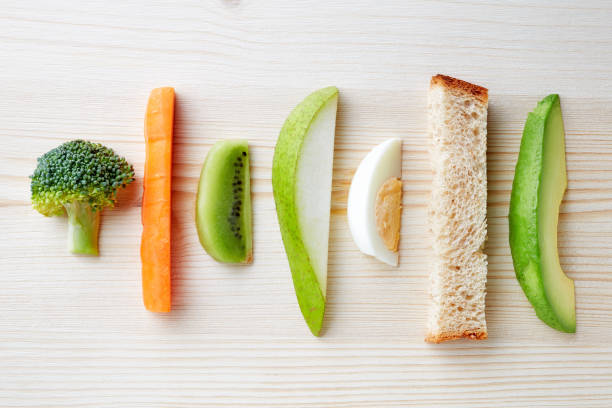
Batch cooking, even in small amounts, makes weeknight dinners significantly more manageable. Cooked grains in the fridge (rice, quinoa, pasta) mean half the work is done before you even start. A bag of rotisserie chicken covers three or four different meals. Roasted vegetables keep for several days and can be folded into eggs, pasta, or soups.
The freezer is underused by most parents of toddlers. Meatballs, fish cakes, veggie fritters, and portions of soup all freeze well. Having a dozen meatballs in the freezer at any given moment means there’s always a backup dinner that requires almost no effort.
Apps like Yummly or Paprika Recipe Manager can help you save and organise toddler-friendly meals so you’re not starting from scratch every week, trying to remember what worked last month.
Nutrients to Keep an Eye On
Toddlers have specific nutritional vulnerabilities that are worth being aware of, not in a way that should stress you out, but in a way that can guide your choices.
Iron is probably the most important one. Toddler iron stores from birth begin to deplete around six months, and many toddlers don’t eat enough iron-rich food to keep up. Red meat, lentils, beans, fortified cereals, tofu, and spinach are good sources. Pair them with vitamin C foods (tomatoes, citrus, strawberries) to help absorption.
Calcium matters for bone development. Full-fat dairy yoghurt, cheese, and milk are the most accessible sources. If your child is dairy-free, calcium-fortified oat milk or almond milk, tofu set with calcium, and leafy greens can cover some of the gap.
Healthy fats from avocado, full-fat dairy, olive oil, fish, and nuts (where age-appropriate and not a choking hazard) are genuinely important for brain development and fat-soluble vitamin absorption. Don’t go low-fat with toddlers. They need it.
Zinc supports immune function and growth. Good sources: meat, shellfish (when appropriate), cheese, lentils, chickpeas, and pumpkin seeds.
When They Won’t Eat, And What Actually Helps
There will be nights when nothing works. They refuse everything. They eat three crackers and a glass of milk and call it done. Here’s what the evidence says about those nights: toddlers self-regulate their intake across days and weeks, not individual meals. One poor dinner does not mean malnutrition. It means Tuesday.
Resist the urge to offer unlimited alternative foods to get something into them. Consistently offering alternatives when a meal is refused teaches toddlers that refusal leads to better options, and the cycle becomes harder to break. One family meal, offered without pressure, is the recommended approach from most pediatric dietitians.
Make sure the rest of the day’s meals are nutritious, keep a wide variety in the rotation, and try not to let mealtime become a source of serious anxiety for either of you.
The relationship your child develops with food in these early years matters enormously. Keeping it calm, positive, and low-stakes goes further than any single nutritious dinner ever could.
A Note on Portion Sizes (Which Are Probably Smaller Than You Think)
Toddler stomachs are tiny. A general rule of thumb is about one tablespoon of each food per year of age, so a two-year-old needs roughly two tablespoons of protein, two tablespoons of grain, and two tablespoons of vegetables. That’s a genuinely small amount.
This is why toddlers often appear to “eat nothing”; they might be eating exactly the right amount for their size and just finishing quickly.
Offering food on a small plate rather than a large one can actually help, because a large adult plate makes a toddler portion look laughably small, which can make parents anxious and send the wrong signals about how much “should” be eaten.
The Bigger Picture
Feeding a toddler is less about perfection and more about showing up consistently. The goal isn’t a perfectly nutritionally balanced plate at every meal; it’s a varied, mostly wholesome diet across the week, a relaxed mealtime atmosphere, and a child who grows up with a healthy, curious relationship with food.
Some nights that look like baked salmon and sweet potato. Some nights it looks like pasta with butter and peas. Some nights it looks like cottage cheese and crackers at 6:30 while everyone’s still in their shoes.
All of it counts. You’re doing better than you think.