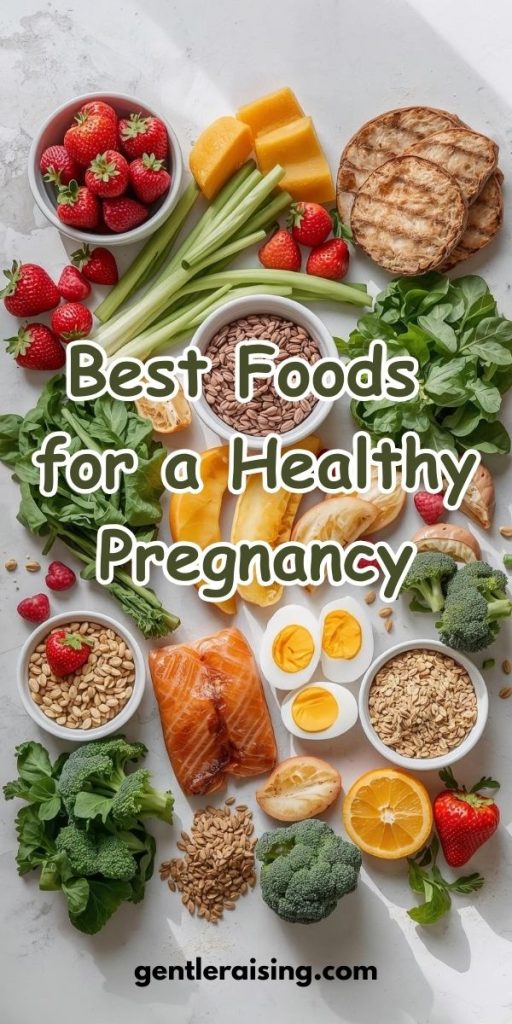
Pregnancy has a way of turning food into a loaded topic.
Suddenly, a simple meal feels like a decision with consequences. You’re hungry, but also cautious. Confident, yet second-guessing. One moment you’re craving mangoes at midnight, the next you’re Googling whether mangoes are “okay.” Sound familiar?
Here’s the thing. Eating during pregnancy isn’t about perfection. It’s about support. Support for your body as it works overtime, and support for a growing baby who’s quietly building organs, bones, and a nervous system from what you give them.
No pressure, right?
Take a breath. This guide isn’t here to police your plate. It’s here to ground you. To show you which foods genuinely help, why they matter, and how to include them without turning meals into math problems.
Let’s talk about real food. The kind people actually eat.
Why Pregnancy Nutrition Matters (But Not in the Way You’ve Been Told)
Yes, nutrition matters during pregnancy. But not because one “wrong” meal ruins anything. That fear-based framing does more harm than good.
What actually matters is consistency over time. The pattern. The rhythm. The overall nourishment your body receives week after week.
Your body becomes a project manager during pregnancy. Blood volume increases. Hormones shift. Organs adjust their workload. Nutrients are constantly rerouted, prioritised, and shared.
Food isn’t just fuel now. It’s a building material.
And yet, no one eats perfectly. Morning sickness, food aversions, cultural traditions, budget limits, fatigue… they all shape what ends up on your plate. That’s normal. That’s human.
So instead of obsessing over every bite, think in terms of anchors. Foods that show up often enough to do their job.
Let me explain.
How to Think About Eating Well Without Losing Your Mind
You don’t need superfoods. You need reliable foods.
The ones that:
- Deliver nutrients efficiently
- Are easy to digest (most of the time)
- Fit into your culture and routine
- Don’t make you dread meals
Some weeks you’ll eat beautifully balanced meals. Other weeks, toast and fruit carry the team. Both weeks count.
With that mindset, let’s walk through 20 foods that quietly pull their weight during pregnancy—without demanding too much from you.
1. Eggs – Small, Mighty, and Seriously Underrated
Eggs are one of those foods that look simple but work hard behind the scenes.
They’re rich in choline, a nutrient essential for fetal brain and spinal cord development. Choline doesn’t get as much attention as folate, but it’s just as important.
They also bring protein, vitamin D, and healthy fats to the table. And they’re flexible, boiled, scrambled, folded into rice, or mixed with vegetables.
If the smell puts you off early in pregnancy, try them cold (like sliced boiled eggs). It helps more than you’d think.
2. Greek Yoghurt – For Bones, Guts, and Sanity
Greek yoghurt does three big things well: protein, calcium, and probiotics.
Calcium supports your baby’s bones and teeth, but it also protects your own. If intake is low, your body will still supply calcium by borrowing it from you.
Probiotics matter, too. Pregnancy slows digestion. Constipation is common. A healthy gut makes everything smoother, literally and figuratively.
Plain is best. Add fruit, honey, or a spoon of peanut butter if you need comfort.
3. Lentils – Quiet Iron Heroes
Lentils don’t get flashy marketing, but they deserve respect.
They’re rich in iron, which supports oxygen delivery as your blood volume increases. Low iron can leave you breathless, dizzy, and exhausted in a way sleep doesn’t fix.
They also contain folate, fibre, and plant protein.
If lentils upset your stomach, soak them longer or cook them until very soft. Your digestion will thank you.
4. Salmon – Brain Food That Actually Works
Salmon provides DHA, an omega-3 fat critical for brain and eye development.
You’ll hear mixed messages about fish. The short version: Fatty fish like salmon, eaten a couple of times a week, are helpful and considered safe.
If fresh salmon isn’t accessible, canned salmon counts. So do sardines.
And yes, fish aversions are real. If you can’t stand it, talk to your provider about DHA supplements.
5. Avocados – Gentle Fat That Feels Good
Avocados offer healthy fats, potassium, fibre, and folate. They support nerve development and help manage blood pressure.
They’re also soothing when nausea hits. Soft texture, mild taste, no drama.
Toast, salads, blended into smoothies, and avocados play well with others.
6. Spinach – Not Just for Iron
Spinach brings folate, vitamin K, iron, and magnesium.
Folate supports early neural development. Magnesium helps with muscle relaxation and sleep quality, something many pregnant people struggle with.
Cooked spinach is often easier to digest than raw. And honestly, a little garlic helps everything.
7. Sweet Potatoes – Comfort With Purpose
Sweet potatoes deliver beta-carotene, which your body converts into vitamin A, important for skin, vision, and immune function.
Unlike high-dose vitamin A supplements, food-based sources are considered safe.
They’re filling, gentle on the stomach, and taste good even when your appetite feels unpredictable.
8. Oats – Steady Energy Without the Crash
Oats provide complex carbohydrates, fibre, and B vitamins. They support digestion and help stabilise blood sugar.
If pregnancy has you feeling shaky or lightheaded between meals, oats can help smooth that out.
Add nuts, seeds, or fruit depending on tolerance.
9. Beans – Affordable, Filling, and Reliable
Beans offer protein, iron, zinc, and fibre. They also stretch meals when budgets are tight.
Gas can be an issue, no point pretending otherwise. Start small, rinse canned beans well, and pair them with herbs like cumin or ginger.
Your gut adapts over time.
10. Lean Red Meat – When Iron Needs Backup
Some people avoid red meat entirely. Others rely on it. Both approaches can work.
Lean beef provides heme iron, which is easier for the body to absorb than plant-based iron.
If you feel persistently drained, cold, or short of breath, this can make a difference.
Cook thoroughly and pair with vitamin C-rich foods for better absorption.
11. Oranges – Hydration Plus Vitamin C
Oranges hydrate, support immune function, and improve iron absorption.
They’re refreshing when water feels boring and helpful when constipation creeps in.
Sometimes the simplest foods do the most.
12. Nuts – Small Portions, Big Payoff
Almonds, walnuts, and cashews each bring something slightly different.
Healthy fats support brain development. Magnesium helps with muscle cramps. Protein keeps hunger at bay.
Keep portions modest if nausea is an issue. A small handful goes a long way.
13. Cheese (Pasteurised) – Comfort That Counts
Pasteurised cheese provides calcium and protein. It also offers comfort, and comfort matters.
Check labels to ensure pasteurisation, especially with soft cheeses.
Food safety matters, but fear doesn’t need to drive the conversation.
14. Berries – Gentle Antioxidant Support
Berries are rich in antioxidants and fibre. They support cellular health and digestion.
Frozen berries are just as useful as fresh and often more affordable.
They also satisfy sweet cravings without spiking blood sugar.
15. Whole Grains – Because Energy Matters
Brown rice, whole wheat bread, quinoa, these provide sustained energy, fibre, and trace minerals.
Fatigue during pregnancy isn’t just about sleep. Sometimes it’s about fuel.
Whole grains help you feel steady instead of drained.
16. Milk – Simple, Familiar, Effective
Milk provides calcium, protein, iodine, and vitamin B12.
If dairy doesn’t agree with you, lactose-free options or fortified plant milks can fill the gap.
Just check labels for calcium and protein content.
17. Bananas – Easy on Bad Days
Bananas offer potassium, vitamin B6, and quick energy.
They’re often tolerated when other foods aren’t, especially during nausea-heavy weeks.
No fanfare. Just dependable.
18. Seeds – Tiny but Serious
Chia, flax, and pumpkin seeds deliver fibre, omega-3s, iron, and zinc.
Sprinkle them into yoghurt, oats, or soups. No major prep required.
Sometimes nutrition hides in the details.
19. Water (Yes, It Counts as a “Food” Here)
Hydration supports blood volume, digestion, temperature regulation, and amniotic fluid levels.
If plain water feels dull, add citrus slices or herbs.
Frequent small sips often work better than forcing large amounts.
20. Leafy Greens Beyond Spinach
Kale, collards, and mustard greens are rich in calcium, folate, and antioxidants.
Rotate them. Different greens offer different benefits.
And yes, cooked is often easier than raw.
What About Cravings, Aversions, and Cultural Foods?
Here’s the truth: cravings don’t make you irresponsible. Aversions don’t make you weak.
They’re signals, sometimes hormonal, sometimes sensory, sometimes emotional.
If your culture emphasises certain foods, that’s not a problem. Traditional meals often carry deep nutritional wisdom, even if they’re not trending on social media.
Trust that wisdom. Adjust gently if needed, not aggressively.
Common Food Worries That Deserve Less Attention
People worry a lot during pregnancy. Some worries are valid. Others… less so.
You don’t need to:
- Eat perfectly every day
- Avoid every food you’ve heard mentioned online
- Feel guilty for enjoying comfort foods
Consistency matters more than intensity.
A Note for Fathers and Partners
Supporting a pregnant partner often means protecting the environment around food.
That might look like:
- Helping with grocery planning
- Respecting food aversions without commentary
- Sharing meals instead of offering opinions
Presence beats advice. Every time.
The Bigger Picture: Food as Care, Not Control
Food during pregnancy isn’t a test. It’s a form of care.
Care for your body as it adapts. Care for a baby who’s growing quietly. Care for your mental health when expectations feel heavy.
Some days will feel balanced. Others won’t. Both days count.
You’re not building a perfect plate. You’re building a relationship with nourishment, one meal at a time.
And honestly? That’s more than enough.