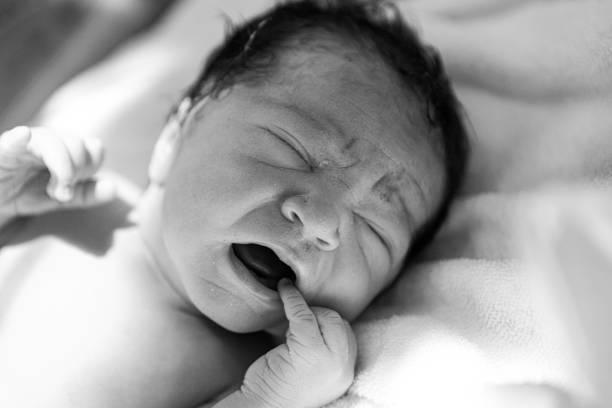
There’s a moment—sometimes loud, sometimes surprisingly quiet when a newborn announces their arrival. The room pauses. Someone exhales. And then it happens. That first cry.
For many parents, it’s the sound they didn’t realise they were holding their breath for. For doctors and midwives, it’s information. For the baby, it’s work, real physiological work. And for everyone else in the room, it’s oddly emotional, even if they’ve heard it a thousand times before.
So what does that first cry really mean? Why does it matter so much? And what if it doesn’t happen right away?
Let’s talk about it. Honestly, calmly, and without the dramatic myths that tend to swirl around delivery rooms and parenting forums.
That First Sound: More Than Just Noise
You know what? The first cry isn’t just about sound. It’s about transition.
For nine months, a baby lives in a fluid-filled, temperature-controlled, muffled environment. Oxygen comes through the placenta. Lungs are basically on standby. Then, suddenly, everything changes.
The first cry helps a newborn switch systems.
When a baby cries for the first time, several things happen almost at once:
- Fluid is pushed out of the lungs
- Air rushes in
- Blood circulation reroutes
- Oxygen levels rise
It’s like flipping a series of internal switches, one after another. Not dramatic. Just efficient biology doing its job.
That’s why medical teams pay attention to it, not because crying is “good,” but because breathing is essential.
What’s Actually Going On Inside the Body
Let me explain this part in plain language.
Before birth, a baby’s lungs are filled with fluid. That’s normal. At birth, pressure from the birth canal (or surgical handling during a C-section) helps squeeze some of that fluid out. The first breaths, and yes, often the first cry, help finish the job.
That first inhale expands the tiny air sacs in the lungs. The cry that follows? That’s the exhale, often forceful, helping clear what’s left.
At the same time, blood flow shifts. A few fetal shortcuts in circulation close down. The heart starts working in its newborn configuration.
It’s a lot to happen in seconds. Which is why the body leans on instinct.
Loud Cry, Soft Cry… Does It Matter?
This is one of those questions parents ask quietly but worry about loudly.
Is a loud cry better than a soft one?
Short answer: not necessarily.
Some healthy babies let out a dramatic, room-filling wail. Others make a brief sound, then settle. Some cry after stimulation. Some cry after a few breaths.
Volume alone doesn’t tell the full story.
Medical teams look at:
- Breathing pattern
- Muscle tone
- Heart rate
- Skin color
- Responsiveness
The cry is part of the picture, not the entire painting.
So if your baby’s first cry wasn’t movie-scene loud, that doesn’t automatically mean something was wrong.
When the Cry Takes Its Time
Sometimes, the cry doesn’t come right away. And that moment, those few seconds, can feel endless.
Here’s the thing: a delayed cry isn’t always an emergency.
A baby might be quiet at first because:
- They’re clearing fluid slowly
- They had a calm, unmedicated birth
- They’re slightly stunned by the transition
- They’re preterm
In many cases, gentle stimulation, drying, rubbing the back, and adjusting the position is enough to prompt breathing and sound.
Medical teams are trained for this. They’re watching closely, even when parents aren’t fully aware of it.
And yes, sometimes extra support is needed. That doesn’t automatically predict long-term problems. It means the baby needed help with the transition, not that they “failed” anything.
What Doctors and Midwives Listen For
It’s not just “Is the baby crying?”
Professionals listen for rhythm. Effort. Consistency.
A strong cry often suggests:
- Open airways
- Adequate oxygen flow
- Good muscle tone
But they’re also watching the baby’s chest, colour, and movement. A baby can breathe well without crying loudly. A baby can cry and still need support.
That’s why assessments like the Apgar score exist, to combine multiple signals into a clearer picture.
The First Cry vs. Every Cry After That
This part surprises people.
The first cry is mechanical. Functional. Purpose-driven.
Later cries? Those are communication.
Hunger, discomfort, overstimulation, and fatigue all come later. The first cry is about breathing. Later cries are about needs.
So if your baby cried strongly at birth but seems quieter afterwards, that’s not a contradiction. It’s normal development unfolding in real time.
Emotional Reactions Parents Don’t Expect
No one really prepares you for how that first cry might feel.
Some parents cry immediately. Some feel relief so intense it’s almost dizzying. Others feel… strangely numb. Or overwhelmed. Or nothing at all.
All of that is normal.
Birth is demanding, physically, mentally, and emotionally. Hormones are shifting fast. Adrenaline is high. Expectations collide with reality.
There’s no correct emotional response to that sound. There’s just your response.
Cultural Beliefs Around the First Cry
Across cultures, the first cry has carried meaning.
In some traditions, a strong cry is seen as a sign of vitality. In others, a quieter baby is thought to be calm or wise. Some cultures welcome the cry; others immediately soothe to restore quiet.
None of these interpretations changes the biology. But they do shape how families remember the moment.
And memory matters. Stories get told. Meaning gets layered on.
Premature Babies and the First Cry
For babies born early, the first cry can look different, or not happen at all right away.
Preterm lungs are still developing. Breathing may need support. Silence at birth in these cases isn’t unexpected.
What matters is responsiveness to care, not the immediate sound.
Parents of premature babies often grieve the moment they imagined, the cry, the instant reassurance. That grief is real, even when outcomes are positive later.
Both things can exist at once.
What About C-Section Births?
C-section babies sometimes have more fluid in their lungs initially, simply because they didn’t pass through the birth canal.
That can mean:
- A delayed cry
- Milder breathing adjustments
- Extra suctioning
Again, this is common. Not alarming on its own.
The absence of labour doesn’t mean the absence of health. It just changes the transition process slightly.
Assisted Breathing: Clearing the Fear
If a baby needs oxygen, suction, or brief ventilation, parents often worry about long-term effects.
Here’s some reassurance.
Short-term breathing support at birth is relatively common. It often reflects timing, not damage. A baby can need help and still go on to thrive fully.
Neonatal teams are focused on minutes, not labels. They respond, stabilise, and move forward.
How Soon “Should” the First Cry Happen?
No stopwatch standard applies to every baby.
Some cry within seconds. Some take a minute. Some breathe quietly at first.
What matters is effective breathing, not the dramatic moment itself.
If there were concern, action would be immediate. Silence doesn’t mean neglect; it means assessment.
What the First Cry Does Not Tell You
This is important.
The first cry does not predict:
- Personality
- Intelligence
- Emotional sensitivity
- Future health
It doesn’t tell you if your baby will be “easy” or “difficult.” It doesn’t forecast sleep patterns or temperament.
It’s a moment. A vital one, but still a moment.
Skin-to-Skin After the Cry
Once breathing is established, skin-to-skin contact becomes the next quiet hero.
It helps:
- Regulate temperature
- Stabilise heart rate
- Support bonding
- Encourage early feeding cues
That calm after the cry matters just as much as the sound itself.
The Questions Parents Secretly Google
“Why didn’t my baby cry immediately?”
“Was the cry strong enough?”
“Should I be worried?”
If you’ve asked these questions, you’re not alone. Not even close.
Parenting begins with uncertainty. The first cry is just the first moment it appears.
Why This Sound Stays With You
Years later, parents often remember that cry clearly. The pitch. The timing. The relief.
It becomes part of the family story. Not because it defined the child, but because it marked the beginning of getting to know them.
A Gentle Reassurance Before We Close
If your baby cried loudly, softly, late, or not at all at first, and is now healthy, you did not miss anything.
Birth is not a performance. Babies don’t follow scripts. Bodies adjust at their own pace.
The first cry matters. But what matters more is everything that comes after: care, connection, patience, and time.
And honestly? You’re already doing better than you think.