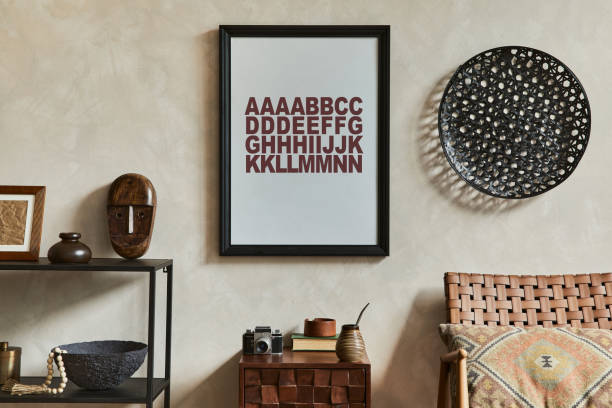
There’s something surprisingly comforting about walking into a home where the values aren’t just spoken but seen. Maybe it’s a framed phrase perched above the shoe rack or a simple watercolour print pinned near the kitchen table, those tiny visual anchors that seem to whisper, “Here, we treat each other with love.” And honestly, for so many parents juggling diapers, morning rushes, work deadlines, dinner battles, and whatever new thing the school sent home, it helps to have those reminders out in the open.
Family rules printable wall art has become one of those quiet trends, soft, almost unnoticed at first, that settle into a home and change the energy bit by bit. It’s not the loud, clipboard-style rules many of us grew up with. These newer versions? They feel warm. Calming. Almost like décor that also says, “Hey, let’s make things easier for everyone.”
This article walks you through why these prints matter, what makes them actually helpful, how to use them with your kids, and, if you want, how to make your own. We’ll weave through the design side, the emotional side, the “real parent” side, and even a few tiny detours that make this feel like a conversation instead of a manual.
Let’s get into it.
1. Why Family Rules Still Matter (Even If You’re Not a “Rules” Person)
Some parents cringe at the word “rules.” It feels rigid. Lecture-ish. A bit like something taped to a school wall next to a buzzer.
But rules, when they’re written with connection in mind instead of control, can offer something surprisingly comforting: predictability. And predictability feels like safety, especially for kids.
You know what? Even adults need that kind of soft structure. When your house gets chaotic (which happens in every family, even the peaceful Pinterest-looking ones), having a visible set of shared values helps everyone reset without finger-pointing or long-winded speeches.
And there’s another piece nobody talks about: kids read the room more than they read our words. When expectations are framed beautifully, whether in soft pastels, earthy Montessori tones, or clean, modern lines, they don’t hit as “commands.” They feel like invitations.
Invitations to speak kindly.
Invitations to slow down.
Invitations to work as a team.
2. The Quiet Power of Visual Reminders
Children learn through repetition. Through pictures. Through rhythm. And honestly, so do we.
Think about how many adults rely on visual cues:
– The grocery list on the fridge
– A Post-It above a computer screen
– A calendar notification that pings right when you forget something
Visual reminders shape our days quietly and effectively. So when a child sees a framed print in the hallway saying “We use gentle hands,” it’s not a correction; it’s a reminder. It’s a cue. Sometimes it’s even a grounding tool during big emotions.
Montessori teachers often talk about “prepared environments,” where the space itself guides the child. Family rules wall art works the same way. It gives gentle structure without parents having to repeat themselves fifty times. (Let’s be real: every parent is tired of hearing themselves say the same sentence every morning.)
And something is soothing about art that serves a purpose. A print that blends into your home and yet helps your day run smoother? That’s a small win parents genuinely appreciate.
3. What Really Makes a Good Set of Family Rules?
Not all rules are created equal. Some are heavy-handed. Some feel too long. Some use outdated language that doesn’t match how families communicate now.
Good family rules share a few things in common:
✔ They’re positive instead of punitive.
Kids respond better to “Speak with kindness” than “No yelling.”
✔ They’re short.
Long rules feel like mini-essays. Kids tune out. Even adults do.
✔ They’re values-driven.
They should reflect the atmosphere you want, not just behaviours you want to correct.
✔ They’re doable.
A rule shouldn’t ask a child to do something they’re developmentally not ready for.
✔ They sound like real people wrote them.
“We respect each other’s bodies” hits differently than “Keep hands to yourself.” Both communicate safety, but one does it more humanely.
Here are a few examples that tend to work across ages:
– We speak with kindness.
– We listen to understand.
– We take care of our things.
– We clean up together.
– We take a breath when we’re upset.
– We respect each other’s bodies.
– We say what we need.
Notice how they feel more like guiding lights than commands? That tone matters.
A side note, you’ll find some families who still use the classic “No running. No hitting. No yelling.” And while that can work for some households, many parents switching toward gentle or responsive parenting want phrasing that builds emotional skills, not just compliance.
4. Printable Wall Art: More Than Just Decor
It’s easy to look at a family rules print and think it’s just something cute to hang above the shoe rack. But décor that ties into your family’s values does something subtle; it shapes the feeling of the space.
Think about a cosy coffee shop you love. The warm wood. The soft lighting. The chalkboard quote of the day that makes you smile. Those visual touches shift your mood without you realising it.
Family rules wall art works in that same quiet way.
A few reasons parents are drawn to these prints:
– They blend values with aesthetics.
– They give the home a sense of unity.
– They reduce the need for constant verbal reminders.
– They feel like gentle prompts instead of corrections.
– They adapt easily to seasons or new routines.
Some parents swap prints every January when they’re craving a reset. Others bring out a more playful version during summer or add bright, whimsical styles in the playroom while keeping a minimalist version in the living room.
And honestly? There’s something heartwarming when the art your guests see isn’t just a trendy landscape… but the heartbeat of your home.
5. Choosing the Right Style for Your Home
Design matters. Even if you’ve never thought of yourself as someone who analyses colour palettes, the style of your print affects how your space feels.
Let me explain why.
Colour and Mood
Warm neutrals create calm.
Bright colours feel playful.
Greens give a sense of balance.
Soft blues feel steady and cool.
If your home leans cosy—lots of wood, warm lighting, woven baskets—a muted, earthy palette with simple fonts usually fits naturally.
If you prefer clean lines and white walls, minimalist black-and-white prints feel right at home.
If your children love colour, don’t be afraid to pick something bold. People often think kids’ spaces must be pastel, but honestly, kids light up when they see vibrant, energetic art. (Sometimes the bold prints also act as memory cues; they’re easier for young eyes to remember.)
Popular Styles Parents Choose Today
– Earthy Montessori-inspired neutrals
– Soft watercolour animals
– Modern typography
– Scandinavian minimalism
– Boho rainbows
– Chalkboard-style café fonts
– Bright kid-friendly illustrations
A tiny contradiction I’ll admit: minimalist prints look calm, but sometimes families realise the kids don’t actually notice them. So they switch to something more playful. It’s normal to change your mind.
Where to Browse
– Pinterest (tons of inspo boards)
– Etsy
– Canva templates
– Creative Market
– Gentleraising.com (especially for gentle parenting–aligned rules)
Let yourself gravitate toward what feels like “your home” instead of what looks trendy.
6. Family Rules That Actually Work with Kids
A rule only works when a child understands it, remembers it, and feels capable of doing it.
Young kids especially benefit from rules that:
– are phrased as “what we do” instead of “what we shouldn’t do”
– stay simple
– connect to daily life
– match their developmental stage
For example:
“We take a breath when we’re upset” gives a child a concrete action during big emotions.
“We say what we need” builds communication skills.
“We clean up together” prevents the overwhelm of “clean your room.”
Some parents tell me their toddlers walk over to the wall art during meltdowns and point at the “We take deep breaths” line. Not because they’re being obedient, but because it gives them something familiar to cling to.
And here’s the thing: kids learn through warm repetition. When parents use the print as a shared guide, it feels like teamwork, not correction.
7. How to Make Your Own Family Rules Printables (Step-by-Step)
If you like crafting or you’re picky about design, creating your own printable can be genuinely fun. You don’t need a design background or fancy tools.
Here’s a simple path:
1. Choose your rules.
Aim for 5–10. Beyond that gets overwhelming.
2. Pick your design tool.
Canva is the easiest for parents.
Procreate works if you love hand-lettering on an iPad.
Adobe Express and PicMonkey also do the job.
3. Select your canvas size.
Most people use:
– 8×10
– 11×14
– 16×20
– A4
4. Choose a colour palette.
Soft neutrals, bold colours, pastels—whatever fits your home.
5. Add your rules using a simple font.
Pair one script font with one clean font for contrast but not clutter.
6. Export as a high-resolution PDF.
This ensures clean printing.
7. Print at home or send to a printer.
Home printers work fine with quality paper.
Local shops (Staples, Office Depot) produce sharper colours.
8. Frame or hang with clips.
Even IKEA frames look beautiful with the right print.
Creating your own can become a seasonal ritual. Some families make new prints every January or before back-to-school. Others let the kids paint the background and add the rules digitally later.
It becomes less of a project and more of a memory.
8. Pre-Made Family Rules Printables (What to Look For)
Buying a printable is often easier, especially for busy parents.
Here’s what sets great digital downloads apart:
– Clear, high-resolution files (300 DPI)
– Multiple sizes included
– Simple, readable wording
– Styles that age well
– Refund or replacement policies for printing issues
– Licensed fonts (important for designers)
You’ll notice prices range from $4 to $20. The difference usually reflects:
– the designer’s time
– hand-painted illustrations
– premium fonts
– multipcolour variations
Watercolour-style prints tend to cost more because artists paint them by hand and digitise them carefully.
9. Where to Hang Your Family Rules Print
Placement can make or break how often your family actually sees the rules.
Best Areas
– The entryway
– Kitchen wall
– Playroom
– Living room
– Near a family centre
– Above a shoe rack
– Hallway outside bedrooms
Why Eye-Level Matters
Kids literally don’t look up as much as adults do. If the print hangs too high, it becomes invisible. Place it where their eyes naturally land.
Some parents put a small version at kid-level in the playroom and a more stylish one at adult height in the living room. Both work.
Sometimes moving the print creates a small shift in daily rhythm. More visibility = more gentle cues built into the day.
10. How to Introduce the Rules to Your Kids Without Sounding Like a Drill Sergeant
Introducing a new set of rules can feel awkward, but it doesn’t have to.
Here’s a simple way to make it feel collaborative:
- Show the print and tell them why you chose it.
“I love how these rules remind us to be kind.” - Read it together.
Keep it relaxed, not formal. - Ask them which rule they like most.
Kids love feeling included. - Give a tiny example for each rule.
“When you’re upset, taking a breath helps your body calm down.” - Keep the conversation short.
Long talks lose kids fast.
Parents often find that once the print is up, it becomes a shared reference point instead of a one-time lecture. During tough moments, instead of “Stop yelling,” you can say, “Let’s check the rule about speaking with kindness.” It shifts the tone completely.
11. Real-Life Parent Stories (The Human Part)
A mom once told me she hung her family rules print slightly crooked, planning to fix it “later,” and three years passed. She said the crookedness made it feel like real life, slightly imperfect, but full of heart.
Another parent said their preteen, not usually interested in décor, asked if they could add a rule about “respecting privacy.” They printed a new version together. It became this sweet moment of middle-school maturity showing up unexpectedly.
A single father shared that he framed his family rules in the hallway, and his son taps the frame each morning before school “like a team captain.” He said it became their little tradition.
Those tiny stories matter because they show that family rules aren’t about perfection. They’re about culture. Energy. Identity.
12. Sample Family Rules You Can Use (Feel Free to Adjust)
Here’s a gentle, positive set that many families like:
- We speak with kindness.
(Words can help or hurt. We choose the helpful ones.) - We listen to understand.
(Everyone deserves to feel heard.) - We respect each other’s bodies.
(Hands are for helping, not hurting.) - We take a breath when we’re upset.
(Big feelings need slow moments.) - We clean up together.
(Teamwork makes the home feel lighter.) - We tell the truth.
(Honesty builds trust.) - We forgive each other.
(Mistakes happen; love stays.) - We say what we need.
(Feelings deserve words.) - We take care of our things.
(Respecting our space helps everyone.) - We’We’lly again tomorrow.
(Every day is a fresh start.)
You can edit wording to match your family’s culture or even add names like, “In the Amina Family, we…”
13. Final Thoughts. A Simple Print That Softens the Home
Family rules printable wall art may seem small, a piece of paper in a frame, but the impact can run surprisingly deep.
It gives your home a sense of identity.
It cues a gentler tone.
It reminds everyone (including you) of the energy you want to cultivate.
It offers kids a familiar anchor during tough emotions.
And maybe most importantly, it helps you parent with clarity rather than constant correction.
A print can’t fix every chaotic morning or every sibling argument. But it can nudge the atmosphere toward calm, teamwork, and connection, and those little nudges add up more than you’d think.
