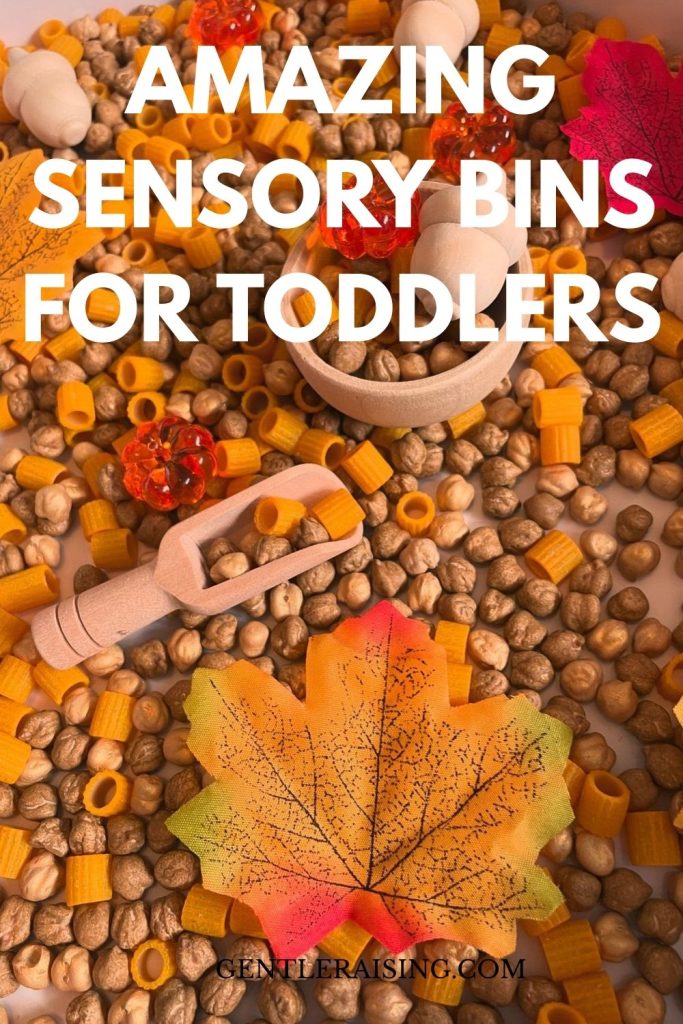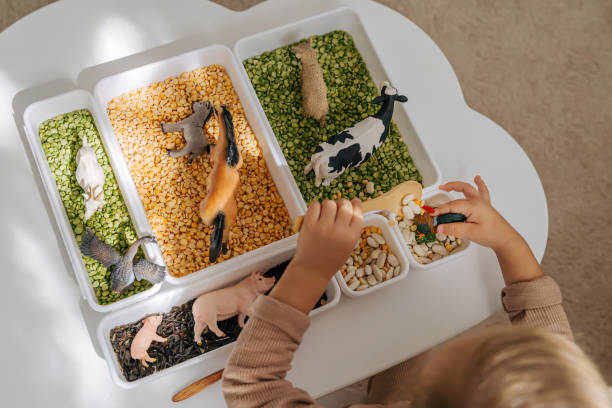
Hey, new parents, you know that magical time when your toddler’s eyes light up at something just… simple? A pile of leaves, a bowl of pumpkin seeds, warm cinnamon in the air? Those moments stick. Sensory bins are like that, they’re simple, they’re messy in the best way, they’re pure exploration.
Fall is a little bit extra special. The colours shift, the air feels cooler, everything smells richer. Crunchy leaves, crisp mornings, maybe even a sniff of wood smoke if you’re lucky. It’s perfect soil for sensory play. Your toddler will gobble it up (metaphorically speaking, and maybe literally with the food-based stuff). Let me explain why sensory bins in fall aren’t just fun, they’re kind of essential.
- Toddlers are wired to touch, smell, taste, and explore. Sensory bins give them that playground at home.
- Fall brings a wealth of materials right outside your door, leaves, sticks, and pinecones, that are free and full of texture.
- Sensory play builds motor skills, language (you can talk about “rough,” “smooth,” “crunch,” “scent”), and even emotional regulation: calming the kiddo when they get overwhelmed by textures.
You know what? It doesn’t have to be perfect; it just has to be joyful.
What Makes a Great Sensory Bin for Toddlers
Before we start dumping leaves everywhere, what makes a bin really work?
- Safety first. Toddlers’mouthsth stuff. So non-toxic, large enough pieces that can’t be swallowed, and avoid sharp edges. If you collect items outdoors, clean them well.
- Engaging textures and smells. Mix soft and rough, wet and dry. Smells that are familiar (vanilla, cinnamon, apple) can be grounding. Contrasts are where discovery happens.
- Colour matters. Deep rust orange, olive green, golden yellow, these are fall’s palette. Visual appeal helps them focus.
- Easy prep and cleanup. A big shallow bin/tray helps. Something washable. Maybe a tarp or plastic tablecloth underneath. Tools like scoops, cups, and small spoons help exploration and reduce tantrums.
If these are checked, you’re well on your way.
Fall Favourites: Ingredients & Themes
Let’s talk about what to put in the bins. Fall gives you tons of options, some fancy, some free.
- Natural materials:
Leaves (dry and fresh), pinecones, acorns, seed pods, twigs. Even bark strips. - Food-based components:
Pumpkin seeds, dried corn kernels, cooked soft pumpkin, and apple slices (if supervised). - Smells & spices:
Cinnamon sticks, star anise, nutmeg, maybe cloves, but avoid choking hazards with whole spices. - Colour themes:
Use scarves, fabric squares, and felt shapes in fall shades. Or painted pumpkins/gourds as border decoration (not in bin).
One digression: if you live in a big city or somewhere without many trees, you can find many of these at farmers’ markets or craft stores. Sometimes you’ll buy mini faux-pumpkins or artificial leaves, which is ok, especially when the weather or allergies complicate outdoor foraging.
Easy Fall Sensory Bins Toddlers Will Love (with examples)
Here are five sensory bin ideas. You can mix, match, and tweak. Think of them as recipes; the fun is in the mixing.
Bin 1: Leaf Pile & Mini Trucks
What you need:
- A shallow plastic bin or tray
- Lots of dry leaves (different shapes, colours)
- Small toy trucks or cars
- Optional: sticks or small pebbles
How to set up & play:
- Spread leaves in the bin. Let them crunch, pile, spread.
- Hide trucks in leaves. Let the toddler dig, push, and drive.
- Talk about textures (“crunchy,” “rustly,” “soft”) and colours (“Why is this leaf so red?”).
Why toddlers will love it:
They get that crunch sound. They can push things, digand hide. It’s active, tactile. It encourages pretend play too (“I’m a truck driver moving leaves!”).
Bin 2: Pumpkin Patch Seeds Surprise
What you need:
- Clean pumpkin seeds (cooked or raw, maybe dry)
- A bin with some depth
- Small measuring cups, spoons, scoops
- Maybe a small plastic pumpkin or a scoop shaped like one
Set up & play:
- Fill the bin with seeds.
- Let toddler scoop, pour, transfer between cups.
- Hide small objects (like farm animal toys) in the seeds for them to dig out.
What they get from this:
Fine motor practice (scooping, pouring). They begin to understand volume, quantity. There’s also that satisfying feeling when you pour, when you hear seeds falling.
Bin 3: Apple Orchard Dig
What you need:
- Red and green apple slices (if you want edible play; supervise) or felt/apple-shaped foam pieces
- Brown rice or oats dyed with light-brown food-safe dyes)
- Cinnamon powder or stick for smell
Set upp & play:
- Spread the rice (“soil”) in the bin.
- Nestle apple slices or apple toys.
- Maybe sprinkle cinnamon or lean a cinnamon stick in.
- Let the toddler “dig” and find apples.
Bonus touches:
You could even talk about apple recipes, “Let’s make apple pie later”, tying sensory to story.
Bin 4: Spiced Rice Harvest
What you need:
- White rice (cooked/uncooked depending)
- Natural food colours (e.g. turmeric for yellow, beet for pink/orange)
- Spices like cinnamon (sticks or ground)
- Tools: funnels, cups, spoons
Set up & play:
- Dye rice in separate batches, let it dry (if using uncooked).
- Combine into the bin.
- Let toddler pour, sort by colour, and mix smells.
What that gives:
Colour sorting, smell, and fine motor control.AAlsosensorycontrast dry rice vs. smooth cups, slippery spoons.
Bin 5: Woodland Critter Hide-and-Seek
What you need:
- Moss (if you can source it hygienically) or green fabric
- Pinecones, small twigs
- Toy animals: squirrels, hedgehogs, foxes, owls
- Leaf shapes, fake mushrooms
Set upp & play:
- Lay the green base (moss/fabric).
- Add pinecones, twigs, and leaf shapes.
- Hide woodland animals.
- Let the toddler search, uncover, and pretend.
Why this one works:
It taps into storytelling, imagination. There’s a surprise in what they’ll uncover. And tactile contrast (soft moss vs hard pinecone vs smooth toy).
5. Tips for Parents: How to Make It Work Smoothly
Here are some parent-tricks so you can actually enjoy this, not just chase cleanup forever.
- Pick a good spot. Outdoors on a porch or patio is amazing. Indoors: kitchen table, bathtub, or a large tray on flooring you don’t mind cleaning.
- Set a timer or “bin time.” Toddlers often respond well: we’ll play for 20 minutes, then clean up together. Helps with transitions.
- Let them lead somewhat. If they want more leaves, more rice, less spice, go with it. It builds independence.
- Have cleanup tools handy. Wet wipes, a small broom, a dustpan, and plastic bags. Hang an apron on a toddler. Use drop cloths or towels under the bin.
- Rotate materials. When something has overstayed or smells weird, toss it. Natural items can wear out, get dusty or mouldy.
6. Safety & Health Considerations
We need to be realistic. Sensory play is fun, but there are risks. Being a parent means balancing delight and caution.
- Choking hazards. Avoid small parts that can fit entirely in the mouth. Always supervise.
- Allergies. Some children are sensitive to nuts, moulds, or even certain raw seeds. If trying new materials (e.g. raw pumpkin seeds), check first.
- Clean materials. If gathering stuff outside, wash leaves, stir soaked materials, and let them dry. Keep bins dry when stored.
- Avoid harmful chemicals. If you dye rice or use craft supplies, use food-grade dyes or non-toxic paints.
- Storage. Store bins in a dry, cool place. Cover them so pets or pests don’t get inside.
7. Bonus Ideas & Variations
Just because you’ve made one bin doesn’t mean you can’t expand, remix, and get playful in weird but awesome ways.
- Holiday tie-ins. Halloween: use fake spiders, pumpkins. Thanksgiving: corn, wheat, leaves, feathers. Keeps things seasonal and meaningful.
- Cultural materials. If your family celebrates Diwali, Eid, or local festivals, include fabrics, textiles, and spices tied to your culture. Helps kids feel identity.
- Let your toddler pick the theme or materials. Go for a walk: collect found things. Let them choose what to include. Might get messy, but when they help, they care more.
- Reuse & recycle. Compost leaves after play. Reuse clean bins. Use old kitchen utensils. Save jars for scooping.
8. Conclusion
Sensory bins in fall: messy, colourful, full of smell and texture. They aren’t about perfection. They’re about tiny hands exploring, collapsing in giggles, sticky fingers, and the hush when something new is discovered.
You don’t need fancy stuff. You don’t need hours. Ten minutes with a bin, some leaves, maybe a truck or scoop or two, that can be magic. So try one. Get messy. Laugh when something spills. And let your toddler lead sometimes.
Because those moments? They matter more than immaculate floors or Pinterest-perfect photos. They shape curiosity. They build a connection. And, just maybe, they’ll give you a memory to hold on to, long after the leaves have turned and fallen.