The Great Sleep Struggle
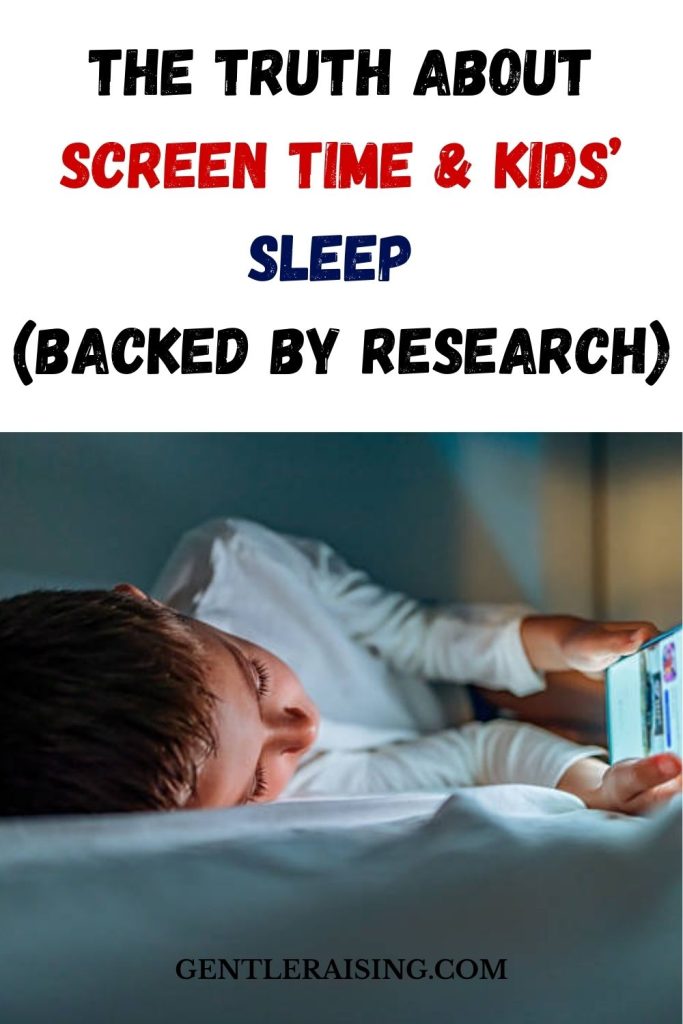
You know that moment when your toddler’s eyes are glued to a tablet, and you’re wondering if you’ll ever get them into bed? Or when your preteen swipes through videos like it’s a competitive sport, and the clock keeps ticking toward midnight? If you’re a parent, you’ve probably asked yourself this question: Does screen time really affect my child’s sleep, or am I overreacting?
Honestly, it’s complicated. Some kids crash as soon as their heads hit the pillow, screens be damned. Others? They’re bouncing off the walls long after the lights go out. In this article, we’ll untangle the research, share real-life stories, and give practical tips so you can finally get some shut-eye, without feeling guilty about that last 20 minutes of iPad time.
1. The Sleep Basics: Why Kids Need It
Sleep isn’t just downtime. It’s your child’s brain doing spring cleaning, filing memories, strengthening muscles, and essentially getting ready to face a new day. Kids cycle through stages of sleep, including deep sleep and REM sleep, both critical for learning, emotional regulation, and growth.
Ever noticed how a well-rested toddler is almost a different species compared to their cranky, sleep-deprived self? One minute, they’re solving puzzles like a tiny Einstein; the next, they’re melting down over a sticker. Sleep literally changes their brains and behaviour.
And it’s not just about mood. Sleep affects attention, memory, immunity, and, yes, your sanity as a parent. Imagine a world where your child is energised, emotionally balanced, and able to handle life’s little frustrations. That’s what adequate sleep can do, and why it matters so much.
2. Screens in the Spotlight: The Obvious Culprit?
Screens get the blame for almost everything these days. Blue light, overstimulation, and endless scrolling, parents often wonder if these tiny rectangles are secretly plotting to rob their children of sleep.
Here’s the science-light version: screens emit light that can suppress melatonin, the hormone that signals to our brains that it’s time for bed. Bright, flashy, fast-moving content keeps brains alert, exactly the opposite of what you want when winding down.
But here’s the kicker: not every child reacts the same way. Some kids watch a cartoon right before bed and conk out instantly. Others? They’re wide-eyed for an hour, whispering secrets to the ceiling. So while screens are a factor, they’re rarely the only factor.
And let’s be honest, it’s not just about devices. Content matters too. Calm, slow-paced shows or apps with gentle music can have a totally different effect than action-packed games or high-speed videos.
3. What the Science Actually Says
Research is growing, but it’s nuanced. Studies from Paediatrics journals and institutions like Harvard show that excessive evening screen time can delay sleep onset, reduce total sleep, and affect sleep quality, especially in younger children.
Here’s an interesting tidbit: it’s not just the light. The content and timing play huge roles. A stimulating app at 8 p.m. can have a stronger impact than a brief tablet session at 5 p.m.
But science hasn’t figured out all the answers. Some studies suggest that moderate screen use, particularly when combined with good sleep habits, doesn’t always lead to noticeable sleep problems. Honestly, it seems the devices are evolving faster than the research can keep up. TikTok, YouTube Shorts, and interactive apps were barely a thing five years ago; imagine how much more stimulating they are for today’s kids.
So, is your child doomed to sleepless nights because of screen time? Not necessarily. Context is everything.
4. Behavioural Effects vs. Biological Effects
Let’s take a step back. Sleep issues aren’t just about biology; they’re also behavioural.
Fast-paced games, social media, or exciting shows can leave your child “wired,” even if their melatonin isn’t fully suppressed. They’re alert, their minds buzzing, and they may resist bedtime simply because they’re engaged. You know that moment when you finally turn off the iPad, and they’re still bouncing on the bed, talking a mile a minute? That’s behavioural stimulation in action.
This is why bedtime routines matter. A predictable, calm routine signals to the brain that it’s time to transition from high-energy to rest. It’s not about banning screens completely; it’s about how and when they’re used.
5. Timing Is Everything: Evening Screens vs. Daytime Screens
Here’s the thing: screens during the day are far less likely to interfere with sleep than screens at night. Morning cartoons? Fine. Afternoon tablet game? Usually okay. But 30 minutes before bed? That’s prime time for sleep disruption.
Practical strategies can make a huge difference:
- Start winding down an hour before bedtime.
- Dim the lights and encourage quiet play or reading.
- Introduce soothing rituals like gentle music, a warm bath, or storytelling.
And it’s not just devices; other factors matter too. A late-night snack, a high-energy play session, or even a too-excited pet can derail bedtime. So don’t obsess over screens alone; consider the whole evening environment.
6. Screen Time Management Without the Drama
No one wants to wage war over screens. The good news? Small adjustments often work better than strict bans.
Here are some parent-friendly tips:
- Set gentle limits: Instead of “no screens ever,” try a predictable window for evening screen use.
- Use blue-light filters: Many devices now have “night mode” or filters that reduce melatonin disruption.
- Offer calm alternatives: Puzzles, drawing, reading, or even simple conversation can help transition kids to sleep mode.
Think of screen time like sugar: it’s not inherently evil, but timing and moderation are everything. A little sweetness during the day is fine; a sugar rush at bedtime? Not so much.
Flexibility is key. Each child is different, and your routine should reflect that. You’re not failing if you need a little screen help to keep everyone sane; it’s about balance, not perfection.
7. When to Worry: Signs of Sleep Trouble
Most kids will bounce back with small routine tweaks, but there are red flags:
- Persistent difficulty falling asleep or staying asleep
- Extreme irritability or behavioural changes
- Regression in previously mastered sleep patterns
Pay attention to patterns rather than isolated incidents. Occasional sleepless nights are normal. Chronic, repeated sleep struggles might warrant a conversation with your paediatrician. And remember: observing and adjusting is far more effective than panicking.
You’re not failing; kids are complicated little creatures, and sleep is just one piece of the puzzle.
8. Real-Life Stories and Parent Anecdotes
Take Emma, a mom of a seven-year-old who loved late-night tablet time. She noticed bedtime battles and cranky mornings. By introducing a calm 30-minute screen-free wind-down and swapping in bedtime stories, her child started falling asleep 20–30 minutes earlier.
Or Marcus, the dad of a five-year-old who hated reading. Instead of forcing books, he tried gentle drawing sessions after screens. The routine worked like magic; screen time wasn’t banned, just thoughtfully timed.
These stories show that small, mindful adjustments often have the biggest impact, without creating nightly battles.
Conclusion: Finding Balance, Not Panic
So, do screens affect your child’s sleep? Sometimes, yes, but context, timing, and content matter more than absolute avoidance. Evening screen time, exciting content, and lack of a bedtime routine are the real culprits.
The takeaway? Gentle, consistent adjustments often work better than strict bans. Offer calm alternatives, pay attention to cues, and remember that occasional late-night screen use isn’t a parenting failure, it’s life.
Next time your child sneaks in one last cartoon before bed, you can smile, breathe, and maybe even grab a little extra rest yourself. After all, parenting is messy, screens are here to stay, and sleep, like humour, is best when approached with patience, flexibility, and a little love.