If you’ve ever felt like your kids ask for snacks more often than the sun rises, you’re not alone. There’s something about those tiny voices calling “Mom, can I have a snack?” that hits differently when you’re trying to get through a work email, fold laundry, or, let’s be honest, breathe in peace for thirty seconds. And here’s the thing: it’s not even the snacks themselves; it’s the constant interruptions that chip away at you.
That’s why the concept of a DIY snack station feels almost magical. A simple setup. A few containers. A little structure. Suddenly, your child wanders toward the kitchen and, imagine this, they help themselves without shouting for you. It sounds too good to be true, but ask any parent who has one, and they’ll tell you: it changes the rhythm of the day.
Honestly, snack stations aren’t some fancy Pinterest-only creation. They’re practical, adaptable, budget-friendly, and kid-loved. But before we get carried away, let’s break it all down in a way that feels grounded and doable.
What Exactly Is a Snack Station?
Think of a snack station as the home version of the office break room, just scaled down, cuter, and far more likely to include applesauce pouches instead of stale doughnuts. It’s a designated spot (or two) where your kids can easily find snacks that you’ve pre-approved.
They get independence.
You get fewer interruptions.
Everyone wins.
Some families keep theirs in the pantry. Others prefer the fridge. Some combine both. And some roll around a little tiered cart like it’s a snack trolley from a movie scene. There’s no wrong method here; the whole point is accessibility and simplicity.
The real beauty of a snack station lies in its ability to adapt to your family’s style. Big family? You can create a multilevel arrangement. Only one child? A single drawer might be enough. Kids with allergies or sensory needs? You can tweak the foods, the textures, the visibility, everything. It’s incredibly flexible.
Before You Start: Things Parents Wish They Knew Earlier
Parents learn fast, but snacks? Snacks teach you even faster. Here are a few things that help before you set anything up:
1. Safety First (Especially for Little Hands)
Toddlers are adorable, but they’re also experts at finding danger. If your child is under three, snacks should be soft, cut, or packaged safely. Hard nuts, popcorn, raw apples, and whole grapes? Not ideal.
2. Visibility Matters
Kids grab what they can see. If the fresh fruit sits behind the crackers, guess which option disappears first? Clear bins help. Open baskets help. Even a simple tray works.
3. Portion Control Isn’t the Enemy
No one wants a five-year-old inhaling a family-size box of granola bars in two hours. Pre-portioning doesn’t have to feel strict; it’s just a way to avoid meltdowns and waste.
4. Cultural Snack Habits Are Different
If you grew up with chapati rolls, maize snacks, roasted peanuts, samosas, plantain chips, or millet biscuits, bring them in. Not every kid snack has to be yoghurt tubes and cheddar bunnies. Familiar foods can be grounding and comforting.
5. Think Seasonally
Summer: fruit bowls, cut melon, chilledyoghurtt cups
Winter: warm snacks, bread rolls, mini soups (more on that later)
Your snack station can shift with the weather, which actually keeps things more interesting for kids.
Choosing the Location (The “Where” Matters More Than You Think)
The trick is placing your snack station somewhere your kids can reach, without needing a ladder or gymnastics routine to access it. You’d be shocked how many toddlers suddenly develop climbing ambitions the moment they spot a pack of cookies on a high shelf.
Pantry Shelf
Great for dry snacks.
Not so great if the shelf is too high.
Fridge Drawer
Perfect for fruits, veggiesyoghurtssand ts, cheeses.
You may need bins to stop everything from rolling around like a produce avalanche.
Rolling Cart
Parents love these because they look neat and can be tucked away.
Plus, kids think anything on wheels is exciting.
Countertop Corner
Simplest option.
Just be mindful of sticky hands.
When you pick a location, imagine your typical busy moment, maybe you’re on a call or cooking. If your child wanted a snack, could they manage the station alone? If yes, you nailed it. If not, lower the shelf or adjust the setup.
Storage Ideas That Actually Work (And Don’t Cost a Fortune)
You don’t need fancy labelled acrylic containers like those picture-perfect pantries online. Sure, they’re gorgeous, but most households don’t have the patience to maintain display-leveorganisationon for more than 24 hours.
Here are real, affordable options:
Clear Plastic Bins
The classics. They help kids see exactly what’s inside.
Dollar Stores, IKEA, and local home shops offer them cheaply.
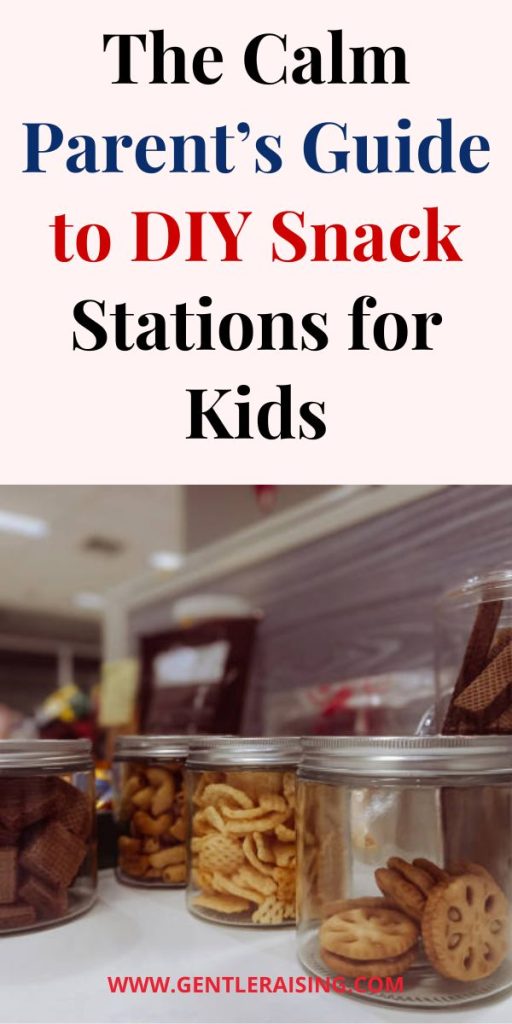
Mason Jars
Great for cereal, crackers, dried fruit, or nuts.
They also give that “warm kitchen” vibe.
Drawer Organizers
Turn a low drawer into a mini snack hub.
Kids love drawers, something about sliding them open and closed.
Spice Racks
Seriously.
They’re perfect for pouches or small packets.
Fridge Bins
The ones with handles? Life-changing when kids want cold snacks.
Repurposed Packaging
Empty protein containers, biscuit tins, or old baskets can work.
You don’t need everything to match.
And here’s the thing: you don’t need aesthetically perfect organisation. It just needs to be practical, something your child can use without digging or spilling.
Food Categories for a Balanced Snack Station
Let’s keep it simple. When stocking your station, think in loose categories. This makes prepping faster and makes the snack station feel more intentional.
1. Quick Grab-and-Go
- Granola bars
- Crackers
- Mini bread rolls
- Rice cakes
- Yoghurt tubes (fridge)
2. Slow-Energy, High-Protein Snacks
These help avoid the sugar crash meltdown.
- Boiled eggs
- Cheese sticks
- Peanut butter sachets
- Roasted chickpeas
- Greek yogurt
- Mini sandwiches (fridge-friendly)
3. Fruits & Veggies
Kids eat more produce when it’s front and centre.
- Apple slices (spritz with lemon water to prevent browning)
- Grape halves
- Sliced cucumbers
- Carrot sticks
- Berries in small cups
- Mandarin slices
- Dried fruit portions
4. Treat Snacks (Yes, They Belong Here Too)
Kids learn moderation when treats aren’t forbidden.
- Small cookies
- Chocolate-covered raisins
- A mini pack of gummies
- A few wafers
- Homemade muffins
5. For Picky Eaters
Textures matter more than flavour sometimes.
- Soft crackers
- Plain yogurt
- Thinly sliced fruits
- Simple sandwiches
- Puff snacks
Some kids are all about crunchy textures. Others prefer softer foods. A good snack station can quietly accommodate those preferences without making a big deal out of it.
Example Snack Station Layouts
For Toddlers (Ages 2–4)
- One dry snack bin
- One fridge bin
- Mostly soft, easy-to-chew foods
- Mini cups instead of bags
For School-Age Kids
- A “choose 1 from here, 1 from there” setup
- Fruits already washed
- Granola bars accessible
- Hydration station nearby (bottle + water jug)
For Teens
They eat like adults with teenage metabolism.
- More substantial snacks
- Tortillas + cheese
- Leftover slices
- Protein snacks
- Fruit bowls, they’ll actually notice
For Mixed-Age FamiliesColour-coded
Colour-coded bins help.
Or simplename-labelledd bins.
You can also creatane universal “anyone can take these” bin.
Prepping Snacks the Smart Way (Not the Exhausting Way)
The biggest mistake parents make is prepping too much at once. You don’t need a full week of cut fruit ready. Kids’ tastes change daily; one week they love pears, the next week the pears might as well be invisible.
Here’s how to prep without burnout:
Weekend Mini Prep
Wash fruit, cut only what you need for two days, and refill dry bins.
Daily Micro-Prep
Take five minutes each morning or evening to top up.
Use the Grab-Bag Method
Mix and match snack types in small bags or boxes so kids feel like they’re choosing something special. Works great with younger kids.
Batch Prep Carefully
Some foods last longer than you think:
- Carrot sticks: 5–7 days
- Grape halves: 3–4 days
- Hard-boiled eggs: up to a week
- Muffins: freeze and thaw individually
Let Kids Help
Kids are more likely to eat snacks they helped prepare. Even toddlers can wash fruit or place crackers in containers.
Teaching Kids Snack Independence Without Chaos
A snack station isn’t a free-for-all. Kids still need guidance; otherwise, you’ll find wrappers everywhere and a child bouncing off the walls.
Here’s what helps:
1. Set Gentle Boundaries
Something like:
“Two snacks between meals, pick whichever you want from the snack station.”
Clear rules make kids feel safe for kids.
2. Keep Portions Small
Offer multiple small choices instead of one large family pack.
3. Establish Snack Times
You don’t need exact schedules, but general time blocks help.
4. Model Balanced Choices
Kids pick up on what you do more than what you say.
5. Prevent Grazing
If kids snack too often, meals become battles.
A simple phrase works:
“Let’s wait until snack time.”
Anecdotally, every parent I know has had a moment where they turned around and watched their child secretly nibbling from the cracker box like a tiny, adorable raccoon. You’re not alone.
Creative Add-Ons That Make the Station Feel Fun
You don’t need all the bells and whistles, but adding a few playful touches can make the station feel special.
- A mini chalkboard with “Today’s snacks”
- Colourful scoops or tongs
- Seasonal trays (pumpkin-themed in October, pastel bowls in spring)
- A “try something new” bin
- Stickers kids can use to label their own containers
When kids feel involved, the station becomes more than just a corn;r, it becomes an experience.
Common Mistakes Parents Don’t Realise They’re Making
No judgment here. We’ve all done at least one of these:
1. Offering Too Many Choices
Kids get overwhelmed fast, and then they take forever to choose.
2. Using Foods That Spoil Quickly
Fresh berries at the bottom of the bin? That’s how you get a science experiment growing in your fridge.
3. Ignoring Mess Potential
Some snacks spread crumbs like confetti.
4. Making It Too Pretty
Aesthetic setups rarely survive real family life.
5. Overstuffing the Station
Sometimes less really is more.
Real-Life Snack Ideas (Parents Actually Use These)
Here’s a big list for inspiration, mix and match based on your child’s age and your family’s culture.
Dry Snacks
- Granola bars
- Rice cakes
- Crackers
- Breadsticks
- Raisins
- Plantain chips
- Dried mango
- Trail mix
- Wholegrain cereal
- Energy bites
Fresh Snacks
- Bananas
- Grape halves
- Pineapple cubes
- Apple slices
- Carrot sticks
- Cucumber rounds
- Boiled sweet potato chunks
- Melon pieces
- Cherry tomatoes (cut for littles)
Protein Snacks
- Boiled eggs
- Cheese cubes
- Peanut butter sachets
- Yogurt
- Beans in small containers
- Mini sandwiches
- Hummus + veggies
Cultural Snack Ideas
- Mandazi pieces
- Chapati strips
- Roasted groundnuts
- Millet cookies
- Coconut bites
- Corn on the cob halves (for older kids)
Treat Snacks
- Mini cookies
- Chocolate chips in tiny cups
- Fruit gummies
- Muffins
- Sweet biscuits
Mixing familiar and new foods helps kids explore without pressure.
Resetting and Maintaining the Snack Station
Maintenance doesn’t need to be intense.
Daily
- Quick wipe if sticky
- Remove empty packages
- Add one or two fresh items
Weekly
- Restock bins
- Rinse containers
- Check fridge items for freshness
Monthly
- Rotate snacks that kids haven’t touched
- Reorganise as kids grow
- Replace cracked containers
Here’s a slightly nerdy tangent: fridge humidity drawers matter. Vegetables last longer in high-humidity zones. Fruits do better in low humidity. If your produce spoils quickly, the issue might be the drawer setting, not your snack station.
Affordable Snack Station Ideas
A snack station doesn’t have to drain your budget. Honestly, the simplest setups often work best.
Dollar-Store Hacks
Bins, baskets, little jars—you can build a station for under $10.
Use What You Already Have
Old containers, lunchboxes, and even leftover takeout tubs can work.
Buy in Bulk
Snacks stretch further when you portion them instead of buying individual packs.
Seasonal Produce
Kids eat fruit more willingly when it tastes good, and seasonal fruit is always sweeter and cheaper.
“Good Enough” Is Perfect
Some parents feel pressure to make everything aesthetic. But a real-life snack station with real-life messes still works beautifully.
Final Thoughts: A Small System with a Big Emotional Impact
On the surface, a snack station is just a corner with snacks. But when you look closer, it’s a small parenting tool that creates bigger shifts: less chaos, fewer interruptions, more independence, smoother routines, and, surprisingly, less stress for you.
Kids feel proud when they can do things themselves. Parents feel calmer with fewer demands in the moment. And homes feel more organised when snacks aren’t scattered everywhere like confetti.
You know what? A good snack station doesn’t need perfection. It just needs thoughtfulness and a touch of patience. And once you set one up, you might wonder how you ever lived without it.