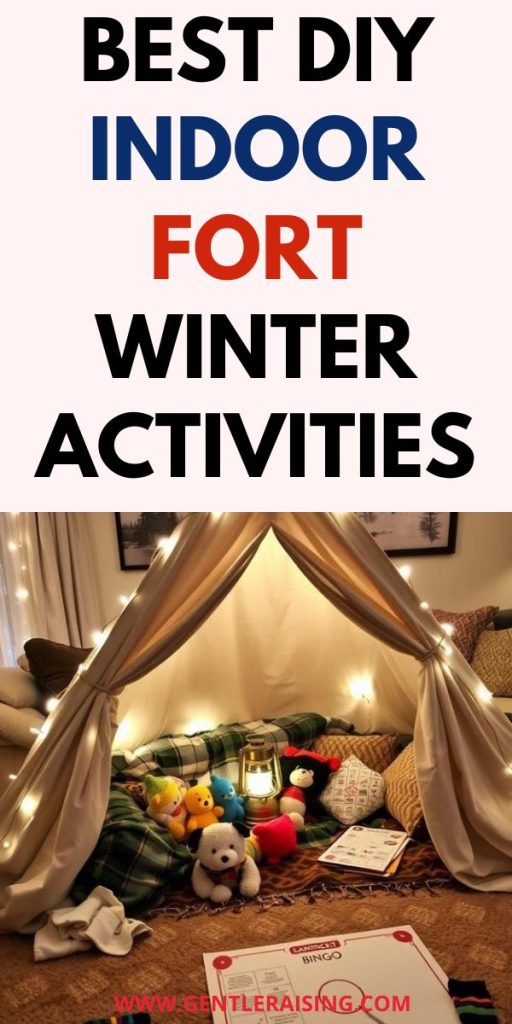
The Magic of Forts on Winter Days
Winter has a way of stretching the hours inside. The sun sets earlier, the cold air keeps little feet from running wild outdoors, and before you know it, the living room has become the playground, classroom, and snack station all in one.
For many parents, this season brings a familiar challenge: How do I keep my kids busy, happy, and away from endless screen time? The answer might be simpler than you think, tucked away in a pile of blankets, couch cushions, and a little imagination.
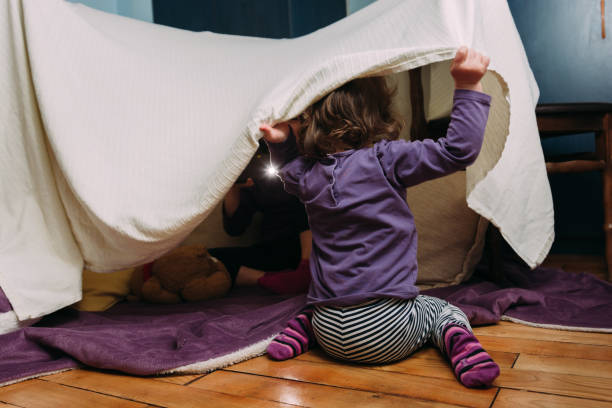
Indoor forts aren’t just a childhood rite of passage; they’re a form of play that transcends generations. We built them as kids, and now we get the privilege of watching our children discover that same magic. There’s something about draping a sheet over two chairs and crawling into the dim, cosy space that transforms an ordinary room into a kingdom, a spaceship, or just a secret hideaway for giggles and whispers.
And here’s the real beauty: these forts aren’t just about fun. They’re little pockets of connection. Every blanket tucked, every flashlight handed over, every pillow stacked is a moment of bonding, a reminder that the simplest activities often leave the deepest memories.
Why Forts Matter More Than Just Play
You might be tempted to see fort-building as “just another mess to clean up.” But let’s pause on that thought. A pile of pillows and a few misplaced blankets aren’t really a mess; they’re the evidence of creativity at work.
A developmental goldmine
Psychologists often highlight how play contributes to problem-solving, communication, and social skills. Fort-building checks all those boxes:
- Creativity: Kids learn that a blanket isn’t only for warmth; it can be a castle wall or a tent roof.
- Engineering basics: Balancing chairs, layering blankets, figuring out how to keep everything standing—it’s early physics in disguise.
- Collaboration: Siblings negotiate roles, share ideas, and sometimes argue, but eventually they build together.
Emotional grounding
Winter can sometimes feel isolating, especially for children who miss playground time. A fort creates a safe, contained world where they feel in charge. For parents, joining in is a way to step into that world, not as “Mom” or “Dad” giving instructions, but as a co-creator.
Think of it as indoor camping, minus the bugs, the late-night bathroom trips across a field, and the fear of raccoons stealing snacks. You still get the closeness, the storytelling, the togetherness… and you get to sleep in your own bed afterwards.
Gathering the Essentials (You Probably Already Have Them)
The best part? You don’t need fancy supplies. Chances are, your home is already stocked with fort-worthy tools.
- Blankets and throws: Fleece, quilts, or even spare bedsheets. Bigger is better for covering more space.
- Pillows and cushions: Couch cushions make sturdy walls; bed pillows add softness.
- Chairs or stools: Perfect anchors for draping fabric.
- Lights: Fairy lights, flashlights, or even glow sticks for a fun atmosphere.
- Clips or clothespins: Handy for keeping blankets from sliding down.
Optional (but magical) add-ons: a fluffy rug underneath, battery-operated lanterns, or a couple of stuffed animals acting as “guardians of the gate.”
Safety reminder for parents: Skip candles or open flames near fabric, and keep fort structures low and stable. A collapsed fort is fine for laughs, but safety always comes first.
Styles of Indoor Forts (And Why Kids Adore Them)
There’s no one way to build a fort. In fact, part of the fun is experimenting. Here are a few classics to try:
The Classic Chair-and-Blanket Fort
Four dining chairs, a bedsheet, and a little creativity, that’s it. This setup is quick, easy, and endlessly customizable.
The Cushion Cave
Pile up couch cushions and pillows against a wall, then drape a blanket across the top. Toddlers especially love this version because it’s soft and safe for crawling.
The Cardboard Castle
Got a leftover appliance box? Cut windows, decorate with markers, and you’ve got a fort that doubles as a castle, rocket, or bakery.
The Hanging Tent Fort
Use wall hooks or a sturdy curtain rod, tie a sheet, and let it drape into a triangular tent. It creates a reading nook that feels like a secret little cabin.
The Bunk Bed Hideout
If you’ve got bunk beds, you’re halfway there. Hang blankets from the top bunk, add pillows below, and suddenly the bottom bunk transforms into a hidden retreat.
Remember when you were a kid and draped a sheet over the couch only to feel like you had your own kingdom? That’s the feeling you’re recreating for your child, only this time, you get to join in.
Adding the Cosy Factor
A fort without cosiness is just fabric over furniture. The magic comes in the atmosphere.
- Lighting matters: String up fairy lights, hand out glow sticks, or keep a flashlight handy for shadow puppets.
- Warmth counts: Bring in fleece blankets, fuzzy socks, or even a heating pad (under supervision).
- Snacks seal the deal: Hot cocoa in spill-proof cups, popcorn in a big shared bowl, apple slices with peanut butter. The act of sharing food inside the fort is half the memory.
There’s also the sensory layer: the soft rustle of blankets, the warm smell of cocoa, the muffled giggles echoing inside. These little sensory cues stick with children, and honestly, with us as parents too.
Activities to Keep the Fort Buzzing
So the fort is up, the lights are twinkling, and everyone’s tucked in. Now what? Here’s where the fun stretches beyond construction:
- Storytime corner: Pull in a basket of books and let kids read or listen by flashlight.
- Board or card games: Compact, simple games like Uno, Go Fish, or memory games work well.
- Fort cinema: Set up a tablet or laptop for a mini movie night. Add popcorn for the full effect.
- Craft zone: Bring colouring books, stickers, or simple craft kits inside.
- Sleepover mode: With older kids, spend the night in the fort, sleeping bags, stuffed animals, and all.
These activities aren’t just time-fillers. They’re opportunities for bonding, quiet moments of closeness in a world that often feels too fast-paced.
Sneaking in Learning (Without Spoiling the Fun)
The word “educational” might make some parents worry about killing the fun. But learning happens naturally in forts:
- Literacy: Reading by flashlight makes books feel like treasures.
- STEM: Challenge kids to make their fort taller, stronger, or cosier.
- Creativity: Encourage decorating with handmade signs, paper snowflakes, or family “flags.”
Think of the fort as a little lab for imagination. Kids don’t need to know they’re practising problem-solving; they’ll just think they’re building something cool.
Winter Twists That Make It Special
Since we’re talking about winter, let’s lean into the season:
- Cut paper snowflakes to hang inside.
- Use white sheets for a “snow fort” vibe.
- Share holiday stories or family traditions by flashlight.
- Warm up with stovetop marshmallow roasting (carefully supervised).
These seasonal touches turn a regular fort into a winter ritual, a family tradition your children will look forward to year after year.
When Things Don’t Go as Planned
Here’s the thing: forts collapse. Blankets slip. Kids argue about whose “room” is bigger. And sometimes, you’ll feel like the cleanup isn’t worth it.
But here’s what kids remember: the laughter when the roof caved in, the teamwork in rebuilding, the silliness of squeezing together in a lopsided space. Imperfection is part of the story.
As parents, we don’t need flawless forts; we need memories woven from small, ordinary moments.
More Than Just a Fort
At first glance, an indoor fort is a pile of blankets and chairs. But when you zoom out, it’s so much more:
- A place for bonding.
- A laboratory for imagination.
- A comfort zone during long winter days.
The next time your child asks, “Can we build a fort?”, say yes. Because in that yes, you’re not just granting playtime; you’re creating a memory, planting joy, and giving them a sense of security that lingers long after the winter snow melts.
And years from now, when your kids are grown, you may find yourself remembering not the tidiness of your living room, but the glow of fairy lights under a blanket, the sound of giggles in a small space, and the feeling of being huddled close, together, warm, and safe.