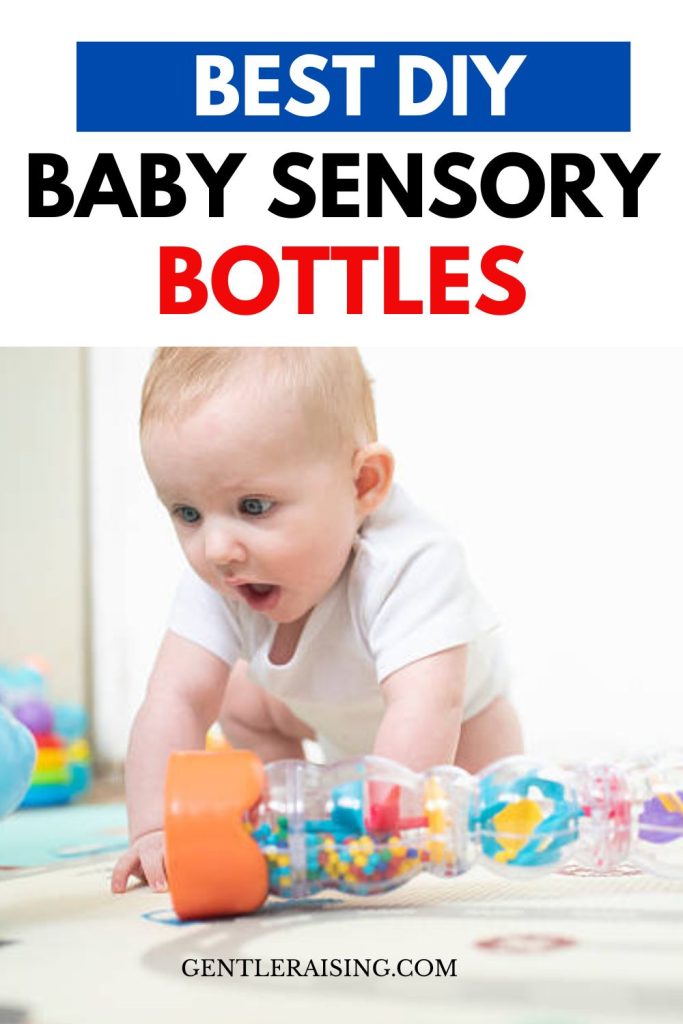
The Magic of Sensory Bottles. Why Parents Keep Reaching for Them
There’s something almost unexpectedly comforting about watching glitter drift down in a jar of water. Maybe it’s the slow movement, maybe it’s the way the colours blend and stretch, or maybe it’s just one of those tiny joys that come from simple things.
Whatever it is, sensory bottles have quietly become a go-to item for many parents, especially new moms juggling nap schedules, feeding routines, and that timeless parenting mystery, Why did you wake up after 12 minutes?
Honestly, sensory bottles feel like a small gift to yourself: they entertain your baby, but they also give your brain a moment to breathe. And if you’ve ever rocked a fussy newborn while mentally sorting laundry and wondering what’s for dinner, you know even 30 seconds of calm can feel priceless.
You’re here because you want to make your own. Great choice. They’re inexpensive, creative, and surprisingly soothing to craft. And because they’re endlessly customizable, you can make one for every mood, milestone, or season—without needing a craft room, special tools, or even uninterrupted time (though that would be lovely).
Let’s talk about what they are, why they matter, and how you can make a dozen of them with supplies you might already have in your kitchen drawer.
So… What Exactly Is a Sensory Bottle?
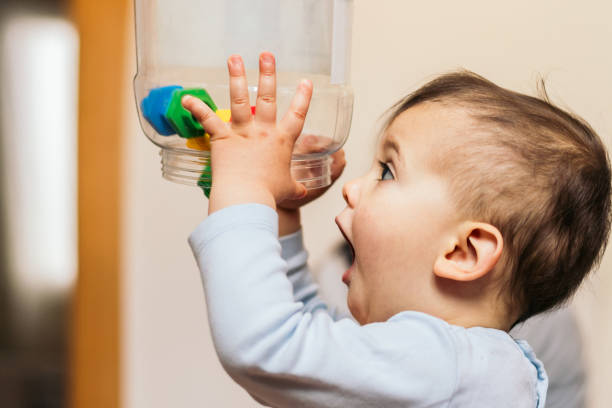
Think of a sensory bottle as a tiny world inside a container, something your baby can shake, roll, watch, and explore without creating a mess. You’re basically turning a clear plastic bottle into a mini-playground.
At its heart, a sensory bottle is simply:
- A clear, sturdy bottle
- A liquid or filler
- “Stuff” that moves, swirls, or rattles
- A sealed lid so nothing escapes (very important)
Sensory bottles help babies develop visual tracking skills, explore cause-and-effect (“I shake it; it makes noise!”), and learn early concepts like colour, movement, and texture, without overstimulating them. And unlike some toys that blink at you like a tiny spaceship, sensory bottles offer slower, gentler engagement.
They’re also wildly portable. Toss one in the diaper bag, hand it over during a fussy moment, offer it during tummy time, and suddenly you’ve bought yourself a pocket of peace.
Why These Bottles Matter, Especially on the Hard Days
Here’s the thing: babies get overstimulated much quicker than adults realise. A room that feels clean and calm to you might feel like Times Square to a newborn, too many textures, too many sounds, too many shifting shadows.
Sensory bottles slow everything down.
They give your baby something predictable to focus on. When the glitter settles the same way each time, or the rice shifts with a soft swoosh, it helps them feel grounded. And honestly, sometimes it helps parents feel grounded, too.
They also save you during:
- Car rides where the crying echoes through your chest.
- Restaurant waits when you’re desperately trying to finish a meal before the meltdown begins.
- Witching hour when everything, everything, seems impossible.
- Diaper changes for the wiggly babies who want to flip like tiny gymnasts.
A sensory bottle is like a parent’s quiet superpower. Not a flashy one. A simple, steady, reliable one.
What You’ll Need (Without Making It Complicated)
You can absolutely walk into Target, grab a couple of craft supplies, and call it a day. Or you can use what you have at home, both work.
Here’s a flexible list:
1. Clear Bottles
Parents swear by:
- Voss plastic bottles (a fan favourite because they’re smooth and sturdy)
- Dollar Tree craft bottles
- Owala mini bottles
- Any small, clear plastic drink bottle
Avoid glass unless the bottle is strictly for display.
2. Liquids
Use one or mix them:
- Water
- Baby oil
- Hair gel
- Glycerin (helps glitter float longer)
3. Fun Fillers
Choose based on the bottle type you’re making:
- Glitter (fine or chunky)
- Sequins
- Pom-poms
- Buttons
- Plastic beads
- Tiny figurines
- Dyed rice
- Shells
- Pasta shapes
4. Tools
You only need a few:
- Funnel
- Towel
- Super glue or a hot glue gun
- Measuring cup (helpful, not mandatory)
If you spill something, don’t worry. Every parent spills. It’s practically a rite of passage.
Before You Start: Set Up a Parent-Friendly Craft Space
Look, crafting with a baby in the house is sometimes hilarious. You set out a towel, and before you know it, the baby grabs a pom-pom and thinks it’s a snack. So let me reassure you: your setup does not need to look like a Pinterest tutorial.
Just grab:
- A kitchen towel
- A bowl for spills
- A tray, you’d like to contain the mess
- A bottle that’s already dry inside
And if you get interrupted mid-craft? Totally normal. Just pick up where you left o;f, sensory bottles aren’t picky.
10+ DIY Sensory Bottle Ideas Your Baby Will Actually Enjoy
Below are ideas that work for babies, toddlers, and even older kids. Each one has a slightly different personality: calming, energising, quiet, noisy, seasonal.
1. The Calming Glitter Swirl Bottle
This is the classic. The iconic soothing bottle. The “watch it for three minutes and forget you were stressed” bottle.
How to make it:
- Fill the bottle ¾ with warm water.
- Add a tablespoon of clear glue or glycerin.
- Add glitter (fine floats slowly; chunky adds sparkle).
- Add food colouring if you want a subtle tint.
- Seal and shake.
Warm water helps the glue mix evenly. If the glitter settles too fast, add more glycerin. If it settles too slowly, add more water.
2. The Ocean-in-a-Bottle
Great for babies who love slow movement and calm colours
You’ll need:
- ½ water
- ½ baby oil
- Blue food colouring
- Optional: small shells or ocean-themed beads
The water and oil separate naturally, creating a gentle wave every time the bottle moves. It’s soothing, almost hypnotic.
3. Rainbow Rice Bottle
Perfect for sound exploration.
Steps:
- Dye rice with food colouring + a few drops of vinegar.
- Let it dry completely.
- Layer colours or mix them.
- Add to the bottle.
Babies love the soft rattling sound, not as harsh as a traditional rattle, which is great when you want something quieter.
4. Pom-Pom Fall Bottle
Soft, colourfullcosyzy.
Just toss in:
- Pom-poms
- Sequins
- A few beads for weight
- A bit of glitter
It’s playful and cheerful. Babies love watching the pom-poms bounce around.
5. Glow-in-the-Dark Bottle
This one is fun for late evenings or dim rooms.
Use:
- Clear gel or water
- Glow-in-the-dark paint (tiny drops)
- Glitter or beads
- UV-reactive items, if you have them
Charge under a light for a few minutes, and you have a night-friendly sensory toy.
6. The Lava Lamp Bottle
The crowd-pleaser.
- Fill bottle ½ with water.
- Add food colouring.
- Fill thee est with oil.
- Add half an Alka-Seltzer tablet only if you’re supervising, or just gently rock the bottle for slower lava effects.
Great for toddlers fascinated by rising bubbles.
7. Alphabet Soup Bottle
Great for language play.
Fill with:
- Water or clear gel
- Plastic alphabet letters
- A few sequins for movement
Toddlers love finding specific letters (“Where’s the M?”).
8. Nature Walk Bottle
Take your baby outside, gather small treasures:
- Leaves
- Pebbles
- Seeds
- Tiny sticks
- Flower petals
Add water. Suddenly, your walk becomes a keepsake in a bottle.
9. Seasonal Bottles
You can create:
- Snow Bottles (fake snow, glitter, clear gel)
- Halloween Bottles (orange water, black sequins)
- Spring Bottles (flower confetti)
- Valentine Bottles (hearts, pink glitter)
These make sweet keepsakes and can double as décor.
10. I-Spy Bottle
A toddler favourite.
Fill with:
- Rice
- Small objects like buttons, stars, animals
- A list of items to “find”
Shake and hunt. It’s oddly addictive; even adults end up trying it.
Age-Wise: What Works Best for Each Stage
0–6 months
- High-contrast bottles
- Glitter bottles
- Slow-moving liquid bottles
- Black, white, red themes
They’re still developing visual focus; slow movement helps.
6–12 months
- Sound bottles (rice, pasta, beads)
- Pom-pom bottles
- Ocean bottles
This stage is all about cause-and-effect, shaking, rolling, and dropping.
1–3 years
- I-Spy bottles
- Counting bottles
- Color-sort bottles
- Alphabet bottles
Toddlers love tasks and “finding games.”
Safety (Simple but Important)
- Always seal lids with super glue or a hot glue gun.
- Avoid glass, they drop things often.
- Check for cracks once a month.
- Don’t use items small enough to choke on outside the bottle.
- Supervise babies while playing.
Keeping Them Fresh and Mould-Free
A few quick tips:
- Avoid adding real plants unless fully dried.
- Don’t add food items to water-based bottles.
- I wouldn’t moult paparazzi andy aand r,efill don’t risk it.
- colours fade, add fresh colouring.
Troubleshooting (Because Something Always Happens)
Glitter clumping?
Mix in more glycerin or shake with warm water.
Bubbles everywhere?
Fill the bottle from the bottom up using a funnel, which reduces bubbling.
Bottle leaking?
Open, dry, re-glue, reseal.
Colours fading?
Use gel food colouring instead of liquid drops.
How to Use Sensory Bottles Throughout the Day
Tummy Time
Place a slow-moving glitter bottle in front of your baby. They’ll naturally track it and lift their head.
Nap Routines
A calming bottle can help establish a wind-down ritual.
Diaper Changes
Hand over a sound bottle; it’s just distracting enough.
Car Rides
A lightweight bottle is easier for tiny hands.
Errands + Restaurants
Small bottles fit in a diaper bag and work wonders while waiting in line.
Bedtime Fussiness
Glow bottles or soft swirling glitter offer gentle visual focus.
A Gentle Closing Note
You don’t need perfect supplies or perfect timing to make sensory bottles work. You just need a bottle, a few bits of colcolournd your willingness to try something simple and sweet. These bottles won’t solve every fussy moment, but they create tiny pockets of calm, and sometimes that’s more than enough.
And the best part? You made it with your own hands.