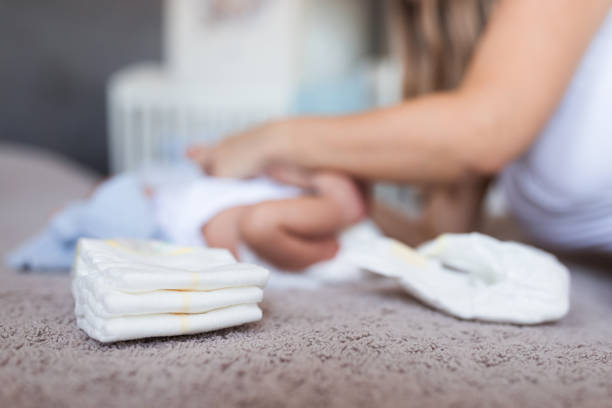
Let’s be honest for a second.
The first diaper blowout doesn’t just surprise you, it humbles you. One moment, your baby is smiling sweetly, and the next, poop has somehow reached their shoulder blade.
You’re standing there, stunned, wondering how something so small produced something so… ambitious.
If you’re a new parent, welcome. If you’re a seasoned one, welcome back. Diaper blowouts don’t discriminate. They show up during grocery runs, long car rides, naps you desperately needed, and outfits you actually liked.
This isn’t a failure. It’s a rite of passage.
And while blowouts can’t be erased from parenthood entirely (sorry), they can be managed. Even softened. Sometimes even predicted. Let me explain.
So… What Is a Diaper Blowout, Really?
A diaper blowout happens when poop escapes the diaper’s intended containment system—usually out the back, sometimes out the leg holes, occasionally in directions science hasn’t explained yet.
Technically speaking, it’s a seal failure. A breakdown between diaper capacity, fit, timing, and pressure. Practically speaking, it’s chaos.
Blowouts happen more often because:
- Newborn poop is liquid and unpredictable
- Diapers fit weirdly during growth spurts
- Babies love to poop mid-feed or mid-sleep
- Gravity always chooses the worst direction
And no, you didn’t “miss something.” Even pediatric nurses get caught off guard.
Here’s the thing: understanding why blowouts happen is half the battle. The other half is learning how to clean up without crying or setting something on fire.
The Emotional Side No One Talks About
You know what’s sneaky about blowouts? They feel personal.
New parents often think: Did I put the diaper on wrong? Is my baby’s digestion off? Why does everyone else look so calm on Instagram?
Honestly, that emotional spiral is normal. Blowouts hit when you’re already tired, touched out, and running on caffeine and hope.
Here’s a gentle truth: blowouts are not a sign you’re doing anything wrong. They’re a sign your baby is digesting, growing, and doing baby things.
Once you accept that, everything gets a little easier.
Diaper Fit: The Quiet Hero (or Villain)
Most blowouts aren’t about brand loyalty. They’re about fit.
A diaper that’s too small is an obvious problem. But a diaper that’s too big can be just as leaky. Gaps are the enemy.
A few fit checks that actually matter:
- The waistband should sit snugly under the belly button
- You should be able to fit two fingers comfortably, not four
- Leg cuffs should be flipped out, not tucked in
Growth spurts are the most common blowout trigger. If you’re suddenly seeing leaks everywhere, your baby may have outgrown their size, even if the weight range says otherwise.
Parents often size up earlier than the box recommends. That’s not reckless. That’s experience.
Brands fit differently, too. Pampers, Huggies, Honest, Kirkland, each has its own cut. Some work better for chunky thighs. Others for long torsos. It’s annoying, but once you find “your” diaper, life gets calmer.
Timing Is Everything (Yes, Even With Poop)
Blowouts love transitions.
Right after feeding. Right before sleep. Mid-car ride. During tummy time. These are high-risk moments.
Why? Because movement plus pressure plus a full diaper equals escape velocity.
A simple habit that helps more than people admit: wait a minute after you hear the poop.
Babies often poop in waves. Changing too early can lead to the dreaded second poop—the one that happens mid-change. You know the one.
Give it 60 seconds. Maybe two. Watch their face. Trust your instincts.
This small pause saves wipes, clothes, and your dignity.
Clothes That Either Help or Betray You
Not all baby clothes are created equal. Some are blowout accomplices.
Over-the-head onesies feel innocent until you’re peeling poop down your baby’s back and wondering why snaps were invented.
Look for:
- Envelope-style shoulders (they stretch down for messy removals)
- Two-way zipper sleepers
- Pants with a little room in the seat
Tight outfits + liquid poop = nowhere to go but up.
And yes, babies look cute in snug outfits. They also look cute in loose ones. Choose your battles.
The Emergency Cleanup: Home Edition
At home, blowouts are annoying but manageable.
Here’s a calm, workable flow:
- Lay baby down somewhere safe
- Remove the diaper slowly
- Use the front of the diaper to wipe excess poop
- Fold it inward and set it aside
- Wipe top-down, not bottom-up
If poop has reached the back or hairline, skip panic mode. Warm water in the sink or tub beats endless wipes. Your baby will probably enjoy it.
For clothes, don’t scrub right away. Rinse with cold water first. Hot water sets stains. This matters more than detergent brand, honestly.
Keep a small laundry bin just for “biohazard items.” It saves your nose and your sanity.
Blowouts Outside the House (A Special Kind of Test)
Public blowouts hit differently.
You’re missing supplies. The changing table is questionable. Someone is waiting.
Here’s what experienced parents keep in their diaper bag:
- One full outfit and one backup onesie
- Extra wipes (more than you think)
- Disposable changing pads
- Plastic or wet bags
If the mess is epic, it’s okay to prioritise containment over perfection. Clean the baby first. Clothes later.
And if you’ve ever had to throw away a onesie in a gas station trash can, welcome to the club. No shame. Just survival.
Nighttime Blowouts (Why They Feel So Cruel)
Night blowouts feel personal because sleep was involved.
They often happen when diapers get too full overnight or when babies sleep on their backs for long stretches.
Things that help:
- Overnight diapers or a size up at night
- Ensuring the diaper is pulled higher in the back
- A diaper change right before the longest sleep stretch
Some parents add a booster pad. Some don’t. There’s no universal answer here.
What matters is minimising disruption, for you and the baby.
Breastfed vs. Formula-Fed Blowouts
This comes up a lot.
Breastfed poop is looser and more frequent, which means more blowout potential. Formula-fed poop is thicker, sometimes less explosive, but not immune.
Neither is “better.” They’re just different.
If your baby’s poop suddenly changes texture, frequency, or smell dramatically, check in with your paediatrician. Otherwise, variation is normal.
Really normal.
Prevention Habits That Actually Work (and a Few That Don’t)
What helps:
- Sizing up early
- Checking leg cuffs every change
- Changing before long outings
- Dressing for movement
What doesn’t:
- Over-tightening diapers
- Switching brands every blowout
- Blaming yourself
Some parents swear by routines. Others swear routines fail them.
Both can be true.
When to Pay Attention, and When to Relax
Most blowouts are harmless.
But talk to a paediatrician if you notice:
- Blood in stool
- Mucus with other symptoms
- Poor weight gain
- Signs of discomfort or dehydration
Otherwise? Poop happens.
Literally.
A Calm Ending, Because You Deserve One
Here’s the quiet truth no one says out loud:
Diaper blowouts fade from memory faster than you expect. One day, you’ll tell these stories and laugh. Or at least smile.
Right now, you’re in it. The wipes. The laundry. The disbelief.
You’re doing better than you think.
And the next time poop escapes the diaper and tries to ruin your day, remember: this isn’t chaos. It’s parenting, in its messiest, most human form.
You’ve got this.