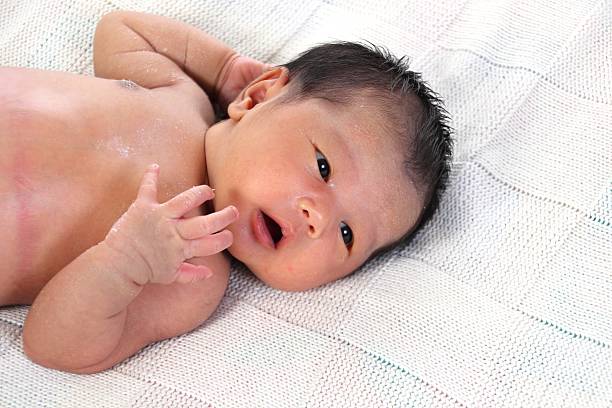
A gentle guide for new mothers, fathers, and parents who keep checking… just one more time
That First Moment You Watch Them Breathe
If you’ve ever hovered over your newborn at 2:17 a.m., watching their tiny chest rise and fall, slowly, unevenly, almost dramatically, you’re not alone. Parents do this everywhere. Quiet rooms. Dim night lights. Phones face down. Hearts loud.
Breathing and skin are usually the first two things parents notice, fixate on, and Google at ungodly hours. Is that breathing too fast? Why did their skin turn red for a second? Are they cold? Too warm? Is this normal, or not normal normal?
Here’s the thing. Calm breathing and healthy skin are two of the clearest outward signs that a newborn is adjusting well to life outside the womb.
They’re also two of the most misunderstood. And yes, they can look strange at first. Newborns are not subtle creatures.
Let me explain what actually matters, and what usually doesn’t.
What “Calm Breathing” Really Means in a Newborn
Adult breathing is predictable. In, out. Nice and steady. Newborn breathing? Not so much.
A calm newborn does not breathe as you do. Their respiratory system is still figuring things out. Muscles are learning. Nerves are calibrating. The result is a breathing pattern that can feel… chaotic.
And yet, it’s often perfectly healthy.
Calm breathing in a newborn means:
- No visible struggle
- No constant flaring of the nostrils
- No deep pulling in of the chest or neck
- No persistent bluish colour around the lips or face
It does not mean perfectly even breaths. That’s a common misunderstanding.
Newborns breathe faster than adults, sometimes up to 60 breaths per minute, and they may pause briefly, then resume. This can look alarming if you’re expecting smooth consistency. Honestly, most parents are.
Signs of Calm, Healthy Breathing (The Reassuring Stuff)
When a newborn is breathing calmly, you’ll usually notice a few quiet signals.
Their chest rises and falls gently, even if the rhythm isn’t perfect. Their belly moves more than their chest; this is normal. You might hear soft noises: light snorts, faint whistles, tiny sighs. Newborn airways are narrow, and sound travels easily.
When asleep, breathing may slow, then speed up. When awake, it can sound noisier. Crying, feeding, and even diaper changes affect breathing patterns. That’s just how their nervous system responds.
A calm breather also tends to look relaxed overall. Hands unclenched. Face soft. Skin is warm but not sweaty. It’s a whole-body thing.
When Breathing Looks Strange but Isn’t
Let’s talk about the behaviours that freak parents out but rarely mean trouble.
Periodic breathing is a big one. Your baby breathes quickly for a few seconds, then pauses for up to 10 seconds, then resumes. It’s common in newborns, especially during sleep.
Sneezing? Normal. It clears nasal passages.
Grunting? Often heard during bowel movements or light sleep. It’s not always respiratory distress.
Hiccups? Newborns get them constantly. Immature diaphragm. Annoying sound. Harmless.
You know what? Babies are noisy. Quiet breathing is not always the goal. Effortless breathing is.
Healthy Newborn Skin: More Than Just “Soft”
People love to talk about baby-soft skin, but softness alone doesn’t define healthy newborn skin.
Healthy skin is about colour, circulation, texture, and response.
Newborn skin is thinner than adult skin. It reacts quickly to temperature, touch, and stimulation. That’s why it can flush red, turn blotchy, or feel cool within minutes. This sensitivity is not a flaw; it’s a feature.
A healthy newborn’s skin typically:
- Returns to normal colour after pressure
- Feels warm (not clammy or cold)
- Shows gradual changes, not sudden extremes
- Matches the baby’s activity level (red when crying, calmer when settled)
And yes, peeling, bumps, and patches are part of the deal.
Common Newborn Skin Conditions (Totally Normal, By the Way)
This is where parents often assume something’s wrong, when really, something’s just… happening.
Peeling skin is incredibly common, especially in babies born past their due date. That outer layer soaked in amniotic fluid for months; it’s done.
Milia look like tiny white bumps, usually on the nose or cheeks. They’re blocked pores. No treatment needed.
Baby acne can show up around two to four weeks. It’s linked to hormones, not hygiene.
Mongolian spots, blue-grey patches often seen on the lower back or bottom, are harmless pigmentation variations, more common in certain ethnic backgrounds.
None of these signals poor health. They signal an adjustment.
Skin Colour Changes: What They’re Telling You
Newborn skin colour can shift dramatically, sometimes within minutes. That can be unsettling.
Pink or reddish tones often mean good circulation or crying. Purple hands or feet (acrocyanosis) are common in the first days and usually reflect immature circulation.
Blotchy skin can appear with temperature changes. Cold? Mottling. Warm? Flushing.
What matters most is persistence. Temporary colour changes are expected. Colour that doesn’t improve with warming, calming, or repositioning deserves attention.
A healthy baby’s skin responds. That responsiveness is key.
The Quiet Connection Between Breathing and Skin
Here’s a detail that doesn’t get enough attention: breathing and skin health are closely linked.
Calm breathing supports steady oxygen delivery. Oxygen supports healthy circulation. Circulation affects skin tone, warmth, and healing.
When breathing is strained, skin may appear pale, grey, or bluish. When oxygenation is good, skin tends to look pink, warm, and responsive.
This is why clinicians often observe skin while assessing breathing. It’s not separate systems—it’s one conversation happening inside the body.
Daily Habits That Support Both (Without Overthinking It)
You don’t need complicated routines or expensive gear. Small, consistent habits matter more.
- Keep sleep spaces clear and flat
- Dress your baby in breathable layers
- Avoid overheating (warm neck, cool hands are okay)
- Use gentle, fragrance-free cleansers
- Moisturise lightly if skin is dry or cracking
Honestly, less is often more. Newborn systems prefer simplicity.
When to Call the Paediatrician (Clear, Calm Guidelines)
There are moments when checking in is the right move.
Call or seek care if you notice:
- Persistent chest pulling with breaths
- Continuous nasal flaring
- Blue or gray coloring that doesn’t fade
- Breathing that seems laboured or weak
- Skin that feels cold and doesn’t warm up
- Sudden, dramatic changes in tone or behaviour
This isn’t about panic. It’s about patterns. Trust your observations.
Why Parents Obsess Over Breathing and Skin (And Why That’s Normal)
Watching breathing is primal. Skin is visible. These are the signs parents can see.
In the early weeks, vigilance equals love. You’re learning your baby’s baseline. You’re memorising their rhythms. That checking, that watching, it fades with time.
Confidence grows quietly. One normal day at a time.
Learning Your Baby’s “Normal”
Every baby has their own version of calm. Their own skin tone shifts. Their own breathing sounds.
Your job isn’t to memorise every medical detail. It’s to notice patterns, respond with care, and ask questions when something feels off.
And here’s the comforting part: most of the time, what you’re seeing is exactly what a healthy adjustment looks like.
Soft breaths. Changing skin. A body learning how to be human.
You’re doing better than you think.