Breastfeeding doesn’t usually come with a quiet mind. It comes with questions, sometimes loud ones.
Am I eating the right things? Why does my milk feel low today? Is it something I did… or didn’t eat?
If you’re asking those questions, you’re not alone. Not even close.
Food becomes strangely emotional when you’re nursing. Every snack can feel loaded with responsibility. Every skipped meal comes with guilt. And every well-meaning comment, “Have you tried oats?” lands heavier than it should.
So let’s slow this down. No hype. No pressure. Just real food, real bodies, and a clearer picture of how diet actually supports milk supply, without turning meals into another thing to stress about.
Here’s the thing: your body already knows how to make milk. Food doesn’t force it to happen. But the right foods can support the process, protect your energy, and help your supply stay steady when life (and sleep deprivation) gets messy.
Let me explain.
First, a quick reality check about milk supply
Milk production is mostly driven by demand. Baby feeds. Body responds. It’s a feedback loop, not a food contest.
That said, nutrition matters. Not because one magical ingredient flips a switch, but because your body is doing real work. Making milk costs calories, fluids, minerals, and patience. When those reserves run low, supply can wobble. Not crash dramatically, just dip enough to make you worry.
Think of it like running a small business. Demand is strong, yes. But if supplies aren’t stocked and the manager (that’s you) is exhausted, things slow down.
Food helps keep the system running.
And no, it doesn’t have to be perfect.
So what actually helps? Let’s talk food, without the drama
Below are ten foods that show up again and again in both nutritional research and cultural breastfeeding traditions. That overlap matters. When science and grandma agree, it’s usually worth paying attention.
You don’t need all ten every day. You don’t need a rigid plan. Think of this as a supportive cast, not a checklist.
1. Oats, the quiet overachiever
Oats don’t scream “superfood,” but they show up consistently for a reason.
They’re rich in complex carbohydrates, iron, and beta-glucan fibre. Translation? Steady energy and better blood sugar balance, which indirectly support milk production. Low iron levels, especially after birth, are linked to fatigue and lower supply. Oats help cover that gap gently.
They’re also easy. And that matters more than we admit.
Overnight oats. Oat porridge. Oat muffins grabbed one-handed at 3 a.m. This is food that understands your life.
And honestly? Feeling full and grounded after eating does more for milk supply than any trendy supplement.
2. Leafy greens are not glamorous, but deeply useful
Spinach, kale, collards, amaranth leaves, whatever grows near you counts.
These greens are packed with calcium, folate, vitamin A, and phytoestrogens. That last word sounds clinical, but it simply means plant compounds that gently support hormonal balance.
Many cultures recommend greens to nursing mothers, not because they’re fancy, but because they rebuild what pregnancy and birth used up.
Add them to soups. Stir them into eggs. Blend them if chewing feels like too much effort. The form matters less than consistency.
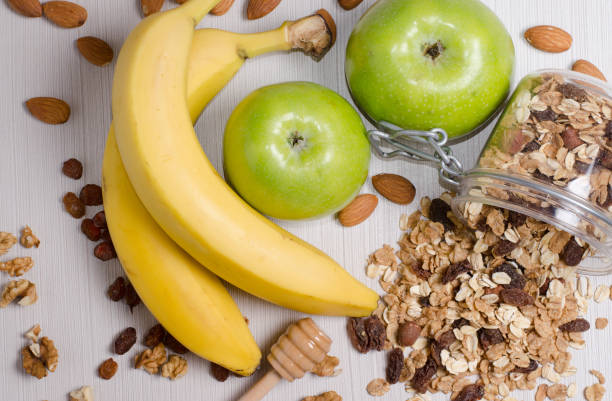
3. Nuts and seeds small, dense, and effective
Almonds. Sesame seeds. Flax. Pumpkin seeds. Peanuts.
These are calorie-dense in the best way. Healthy fats, plant protein, magnesium, zinc. All things your body leans on during lactation.
Sesame seeds, in particular, show up in postpartum foods across Asia and parts of Africa. There’s a reason. They support bone health and provide slow-burning energy, important when meals get interrupted.
A handful here and there adds up.
4. Fatty fish, food for milk and mood
Salmon, sardines, mackerel.
These are rich in DHA, an omega-3 fat that supports infant brain development and may improve milk quality. There’s also emerging evidence linking omega-3 intake with lower postpartum mood dips, which, indirectly, helps supply. Stress hormones and milk production don’t get along.
If fish isn’t common in your diet, even once or twice a week helps. Canned sardines count. Frozen fish counts. No need to overthink it.
5. Eggs, simple, flexible, quietly powerful
Eggs are one of the most complete foods available. Protein, choline, vitamin D, and B vitamins.
Choline deserves a moment here. It supports infant brain development and maternal liver health, both relevant when your body is multitasking at full capacity.
Scrambled, boiled, fried, or folded into rice, eggs adapt to your appetite, which changes daily when you’re nursing. Some days you’re ravenous. Other days, food feels like background noise. Eggs work either way.
6. Legumes, slow fuel that actually lasts
Beans, lentils, chickpeas, peas.
These provide iron, plant protein, and complex carbs. They’re especially helpful if meat intake is low or inconsistent.
In many regions, lentil soups are a postpartum staple, not because they’re trendy, but because they’re filling, warming, and restorative.
They also stretch meals. And when you’re feeding multiple people, or feeding yourself on little sleep, that practicality matters.
7. Whole grains, the long game energy source
Brown rice, millet, sorghum, whole wheat, and maize meal.
Whole grains help stabilise energy levels and support digestion. They don’t spike and crash the way refined carbs can, something you feel more acutely when sleep-deprived.
There’s also a comfort factor here. Warm grain-based meals signal safety to the nervous system. That calm state supports let-down reflexes more than we talk about.
Sometimes biology is emotional like that.
8. Garlic, yes, really
Garlic has been used traditionally to support milk supply, and there’s a fascinating bonus: some studies suggest babies may nurse longer when mothers consume garlic, possibly because it subtly changes the flavour of milk.
Longer feeds mean more stimulation. More stimulation supports supply.
You don’t need to eat it raw. Cook with it. Let it blend into food the way it’s meant to.
9. Hydrating fruits, because thirst sneaks up on you
Water matters. Everyone says that. But hydration isn’t just about plain water.
Fruits like watermelon, oranges, papaya, berries, and mango contribute fluids and micronutrients. They’re often easier to eat when appetite feels off.
If you’re constantly thirsty, fatigued, or getting headaches, it’s worth paying attention. Milk is fluid. Your body won’t prioritise it if you’re running dry.
10. Traditional galactagogues, helpful, not heroic
Fenugreek. Moringa. Fennel. Brewer’s yeast.
These show up often in conversations about milk supply. They can help some people. They do nothing for others. And that’s okay.
Moringa, in particular, has solid nutritional value, iron, calcium, and vitamin C and is widely used in many regions for postpartum recovery.
The key is this: these foods support a system; they don’t replace it. If meals are skipped, stress is high, and feeds are inconsistent, no herb fixes that.
A small detour that matters: stress, food, and supply
You can eat all the “right” foods and still struggle if stress is high.
Cortisol interferes with oxytocin. Oxytocin helps milk flow. It’s a chain reaction.
This is why eating enough, period, matters. Restricting calories, intentionally or accidentally, tells your body resources are scarce. Milk supply responds accordingly.
You’re not failing. Your body is protecting itself.
Foods people worry about (that usually aren’t the problem)
Spicy food? Usually fine.
Caffeine? Moderate amounts are okay.
Cultural foods your aunt warned you about? Often misunderstood.
Unless your baby shows clear, repeated reactions, most foods don’t ruin milk supply. Fear around eating often causes more harm than the food itself.
Consistency matters more than perfection.
For partners and support people reading this
If you’re not the one nursing, here’s how you help:
- Make food accessible
- Encourage meals without commentary
- Handle logistics so eating doesn’t feel like work
Milk supply isn’t just about breasts. It’s about support systems.
Let’s end with this, because it needs saying
You don’t need to earn your milk supply through perfect eating.
You need nourishment. Regular meals. Enough calories. Gentle support. Rest where possible. Grace where rest isn’t.
Food should steady you, not scare you.
And if today all you managed was toast, fruit, and a handful of nuts, you still showed up. Your body is still doing something remarkable.
