If you’ve ever handed your toddler a cup of water and watched them stare at it like it holds the secrets of the universe… you’re not alone. There’s something almost magical about water and little kids. It draws them in, slows them down, and somehow brings out this curious, sparkly version of them that we wish showed up every day.
And honestly? Water play gives parents a little break, even if it’s just three minutes of peace while you sip cold coffee that used to be hot.
But beyond the cuteness and chaos, water play is one of the simplest ways to support your toddler’s development. And the beauty is: you don’t need fancy toys or Pinterest-perfect setups. You can start with a bowl, a cup, and a toddler who’s excited just because they get to splash.
Before we get to the fun stuff, let’s take a breath and talk about why toddlers love water so much, and why it helps them grow in ways you might not expect.
Why Water Play Matters More Than We Realise
You know what? There’s this interesting thing about toddlers: their bodies and brains crave experiences that involve all their senses. Water, with its temperature shifts, sounds, textures, and movement, delivers all of that in one simple moment.
It helps with:
Fine motor skills
Every time they pour, squeeze, splash, or scoop, they’re practising miniature muscle movements that eventually help with writing, eating, dressing, and all those little milestones.
Sensory regulation
Warm days, grumpy moods, overstimulation, water has a way of resetting things. Even adults feel it when we wash our hands or take a shower. For toddlers, it’s like emotional first aid.
Language development
You can casually name actions: “pour,” “squeeze,” “float,” “sink.” Simple words, big impact.
Independent exploration
Water invites curiosity. It’s open-ended. It doesn’t boss them around. Toddlers feel like they’re in charge, and honestly, they love that.
There’s a small contradiction, though. Water play can look wild, with droplets everywhere, floors suspiciously wet, but at its core, it brings calm. Toddlers settle into rhythm. Their minds focus. Their bodies relax. It’s a beautiful thing when you’re not stressing about cleanup (which we’ll chat about later).
Safety First, Without the Panic
Nobody wants a safety lecture, but water + toddlers need a gentle reminder.
A few practical notes:
- Stay within arm’s reach. Even shallow water needs supervision.
- Keep water levels low, think centimetres, not inches.
- Use non-slip mats or play outside.
- Protect their skin with a hat, shade, or child-safe sunscreen if outdoors.
- Check water temperature, especially indoors. Toddlers react slowly to hot water.
And here’s the thing: parents often worry that water play is messy or risky, but once you set up a safe little play zone, you’ll see that most toddlers handle it better than we expect. With predictable rules and your watchful presence, they thrive.
Now… let’s get into the fun part.
The Best Toddler Water Play Ideas (Fun, Simple, and Seriously Worth Trying)
This is where it gets good. These ideas work for toddlers ages 1–3, indoors or outdoors, and you can adjust them depending on your comfort level and energy that day. No judgment here, some days you’ll put together a fancy setup, and other days you’ll hand your toddler a bowl of water and a whisk. Both count.
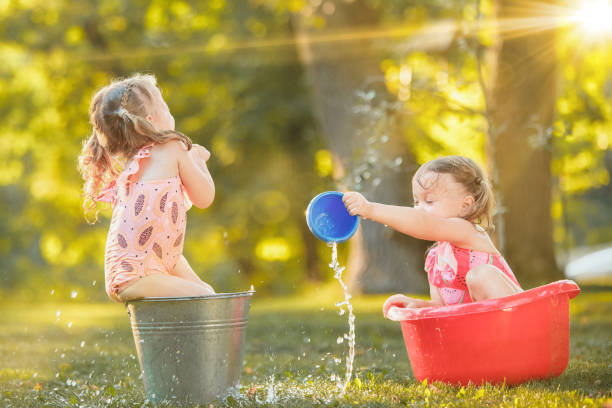
1. The Backyard Splash Station
Sometimes the simplest idea is the best. Set up a water station with bowls, cups, funnels, ladles, strainers — basically anything from your kitchen drawer.
Let them:
- Pour water between containers
- Make a pretend “soup”
- Experiment with scooping
- Fill cups and dump them again
Add leaves, flowers, or pebbles for a little natural charm. It feels like a tiny outdoor kitchen.
Why it works: Toddlers love repetition, so pouring again and again builds confidence, concentration, and control.
2. DIY Water Wall (A Parent Favourite)
Take old plastic bottles, funnels, tubes, and even colanders. Attach them to a fence or wall using zip ties or tape. Pour water at the top and watch it cascade down.
A quick digression, Montessori classrooms use this kind of “cause and effect” play all the time. It teaches problem-solving without them even realising it.
Extra twist: Add colored water for visual excitement.
3. Sink Play, The Secret Sanity Saver
This is the one nobody admits, but every parent does.
Let your toddler stand on a sturdy stool at the sink. Add plastic cups, spoons, washcloths, or a little bit of bubble solution. They’ll feel like they’re doing big-kid work.
And honestly, toddlers love being near real-life chores. It makes them feel important.
Bonus tip: Place a towel on the floor and quietly enjoy your 5–10 minutes of me-time.
4. Ice Painting for Hot Days
Freeze watercolour paint or food colouring in ice cube trays. Give your toddler big sheets of paper and let them “paint” as the ice melts.
The coolness feels refreshing, and the melting colours surprise them every time.
There’s a trend going around right now with “ice chalk”, frozen sidewalk chalk paint. It’s perfect for outdoor play.
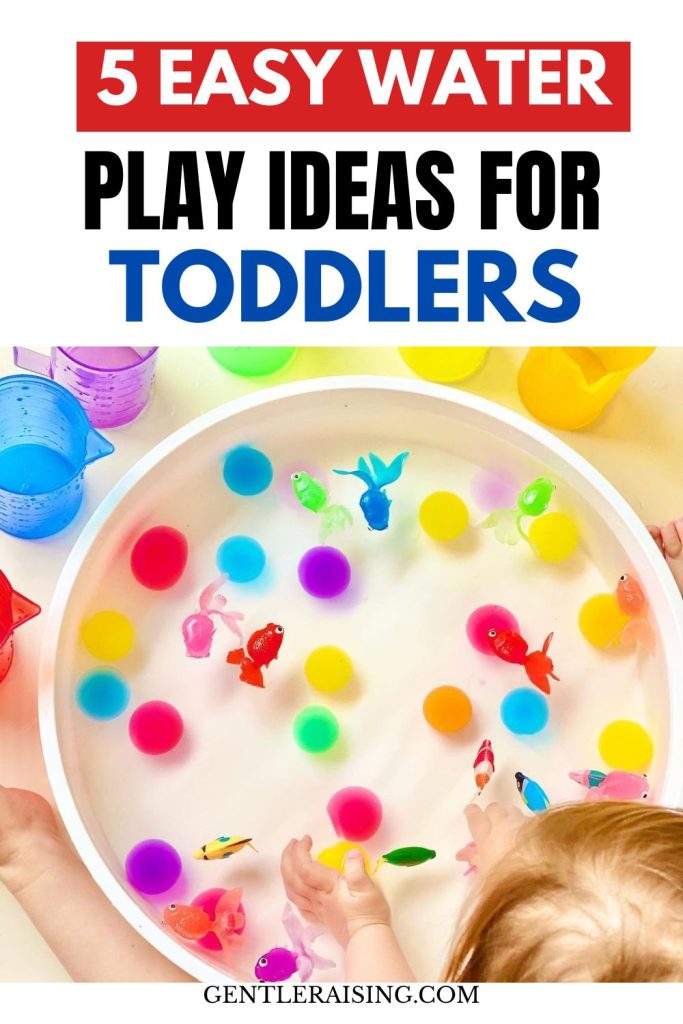
5. Indoor Water Bin (Zero-Fear Edition)
Rainy day? Too hot? Too cold? Indoor water play is absolutely doable.
Grab a shallow bin, place a towel under it, fit it with a small amount of water, and add:
- Mini toy animals
- Measuring spoons
- Silicone cupcake liners
- Floating toys
Tip: Warm water works beautifully for winter days. Toddlers stay calm, and their hands won’t freeze.
6. Gentle Water Balloons (Toddler-Friendly Versions)
Traditional water balloons can be stressful with toddlers because they burst fast and can be choking hazards.
Try reusable silicone water balloons instead. They open and close with magnets, and toddlers can refill them easily.
Games like:
- Rolling balloons
- Dropping them gently
- Floating them in a bin
work amazingly well.
7. Sponge Races
Dip a big sponge in water… run across the yard… squeeze into a bucket. Repeat.
It’s silly. It’s energetic. It’s perfect for toddlers who need to burn off steam.
Sibling-approved too.
8. Nature Soup
Give your toddler a pot of water and a few nature treasures:
- Flowers
- Leaves
- Herbs
- Tiny pebbles
They’ll mix and stir like little chefs. The scents, textures, and sounds turn it into a full sensory experience.
9. Car Wash Station
Toddlers love anything that mimics real grown-up chores.
Set out:
- A bowl of soapy water
- Sponges or cloth
- Toddler bikes, toy cars, or plastic trucks
They’ll scrub with more passion than they ever show during bath time.
Talking moment: “Is it clean? Can you scrub the wheels?”
Language learning wrapped in fun.
10. Bubble Foam Party
This looks so pretty, you might want to play too.
Use:
- 2–3 tablespoons of dish soap
- 1 cup water
- A hand mixer or whisk
Whip it until it becomes thick, fluffy foam. Add a drop of food ccolouring iffyou want.
Soft, cloud-like, safe for hands, and oddly relaxing to watch.
11. Water Transfer (Montessori Magic)
Set out two bowls, one filled with water, one empty.
Add:
- A sponge
- A small scoop
- A toddler-sized pitcher
Let them transfer water back and forth. It’s repetitive, calming, and builds focus.
This one is ideal for kids who struggle with transitions or get overstimulated easily.
12. Water Painting (Mess-Favourite)
Give your toddler a bucket of water and a paintbrush. Let them “paint” fences, walls, or sidewalks. The strokes appear dark, then disappear as they dry.
They feel like real artists, and you get… zero cleanup.
13. Toddler Slip ’n Slide, But Safer
Traditional slip ’n slides are too fast and slippery for little bodies. Create a gentler version using foam play mats.
Lay them in the yard, sprinkle a little water on top, and let toddlers crawl or slide slowly.
Safe, soft, and honestly adorable.
14. Ocean Sensory Bin
Fill a bin with:
- Blue-tinted water
- Sand (or kinetic sand)
- Seashells
- Plastic fish and sea creatures
Let your toddler create their own ocean stories. Small world play feeds imagination and language skills.
You’ll probably end up telling a whole under-the-sea story together.
15. Rainbow Rice + Water Combo
If you already have colored rice at home, add just a bit of water. It creates a sticky, crunchy sensory texture that toddlers love squishing.
This trend shows up all over sensory play TikTok, and it’s a hit for a reason.
16. Frozen Treasure Hunt
Freeze toys inside large ice blocks. Give your toddler warm water in a squeeze bottle or spray bottle.
They’ll melt the ice slowly, trying to rescue the “treasures.”
It feels like science, magic, and adventure, all rolled into one.
17. Mud Kitchen Water Add-On
If you have a mud kitchen (or just a bin of dirt outside), add pitchers of water.
Suddenly, the pretend kitchen turns into:
- Mud soup
- Mudcakes
- Mud tea
- Mud everything
Messy, yes, but incredibly enriching. Outdoor messy play boosts creativity and confidence like nothing else.
18. Kiddie Pool Experiments
Use your kiddie pool as a toddler science lab.
Try:
- Floating vs. sinking
- Color mixing
- Soap-powered boats
- Measuring cupsets
Even simple observations, “That one sinks. This one floats.”, build early scientific thinking.
Seasonal Water Play Ideas
For Hot Summer Days
- Frozen fruit cubes
- Water sprayers
- Shaded splash stations
- Ice chalk art
Toddlers love anything cold and colourful.
For Indoor Winter Play
- Warm water sensory bins
- Pretend tea parties with warm “tea” (just water)
- Soft washcloths for squeezing
Warm water instantly calms restless toddlers on chilly days.
Water Play on a Budget
You can create water play magic without spending much.
Try:
- Old yoghurt containers
- Recycled bottles
- Kitchen utensils
- Muffin tins
- Dollar-store scoops or funnels
Toddlers don’t care how fancy something is. They care about the experience.
How to Make Cleanup Easier (So You Actually Enjoy This)
A few tricks experienced parents use:
- Lay down towels before you start
- Dress your toddler in swimwear (even indoors)
- Keep a “water play basket” with supplies
- Place a mat or tray under indoor bins
- Play outside whenever possible
Cleanup doesn’t have to be a battle. Preparing before the splash helps more than you’d think.
When Water Play Helps Emotions and Behaviour
This part deserves more attention. When toddlers feel overwhelmed, too much noise, too many changes, too many frustrations in one morning, water has this way of slowing their bodies down.
Water play is grounding.
It’s soothing.
It’s rhythmic.
Research in sensory processing shows that fluid, repetitive movements help regulate the nervous system. You can actually see it: your toddler starts calmer, more focused, more in their little world.
If your toddler is:
- Fussy
- Throwing frequent tantrums
- Struggling with transitions
- Overstimulated
Try a few minutes of gentle water play. You might be surprised by the shift.
What to Say While They Play (Language + Connection)
To make the most of water play, sprinkle in simple language prompts:
- “What happens if you pour it slowly?”
- “Is it warm or cool?”
- “Should we try the big cup or the small cup next?”
- “Wow, that one floats!”
These tiny conversations boost vocabulary and connection, without sounding like a lesson.
Final Thoughts. And a Warm Hug for You
If you’re reading this, you’re already doing the beautiful work of being present for your child. Water play isn’t about perfect setups or fancy materials. It’s about slowing down, creating small moments of wonder, and giving your toddler a chance to explore the world with their hands.
And honestly? It gives you a breather, too.
So go ahead, pull out a bowl, grab a cup, fill it with water, and let your little one splash, pour, experiment, and giggle.
Because these tiny, wet, messy moments?
They’re the ones you’ll remember.
And your toddler will too.