If you’re a parent living in a small space, you probably know the feeling, stepping on a baby rattle at 2 a.m. or finding stuffed animals mysteriously multiplying like they’re on a mission. Toys have this uncanny ability to wander, migrate, and claim territory you didn’t realise was available. And honestly? It can feel like you’re constantly choosing between having a home that looks loved… and a home that looks like a daycare centre exploded.
You know what? You’re not alone. Small-space parenting demands creativity, flexibility, and sometimes a little humour to survive the day. The good news is that a calm, organised home, yes, even with babies and toddlers, is absolutely doable. You just need a few strategic tricks that work with your space instead of fighting against it.
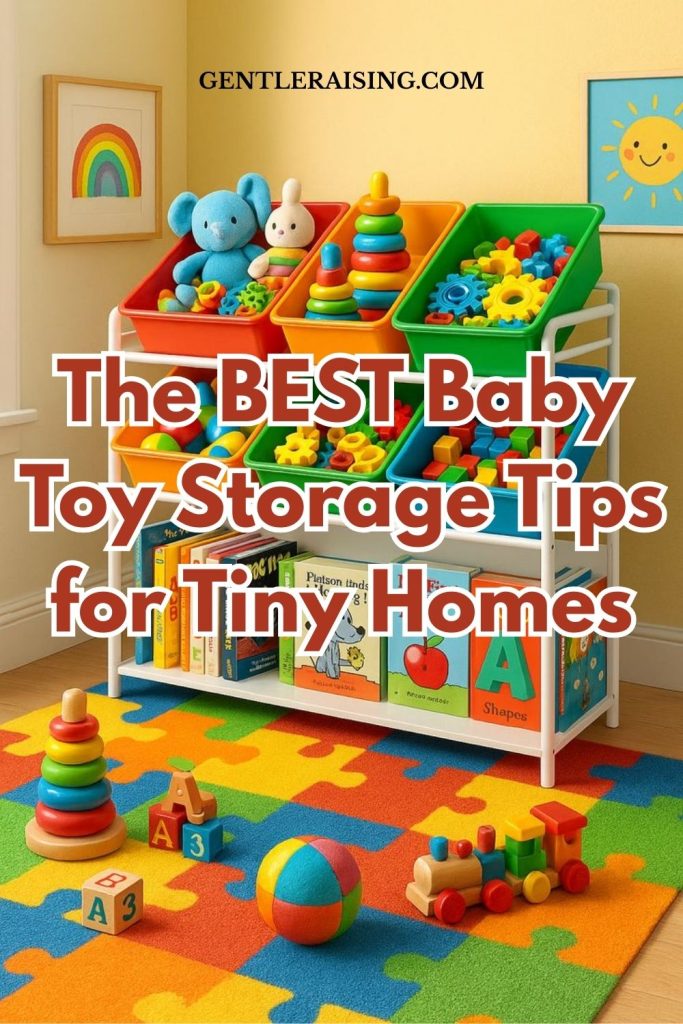
So let’s talk about some real-world baby toy storage hacks that actually work for families who don’t live in big houses with spare rooms and walk-in play spaces.
These are the kinds of hacks parents swear by, and they’re designed to fit your life, not the other way around.
The Small-Space Parenting Reality: When Toys Take Over Faster Than You Can Blink
Here’s the thing: babies don’t need many toys. But somehow, they end up with a mountain of them.
Gifts. Hand-me-downs. Random toys from relatives who swear, “The baby just needs one more stuffed bunny.” And of course, the cute items you grabbed because you were tired, overwhelmed, or thinking, Maybe this will keep them busy for five minutes.
When you’re living in an apartment, tiny home, small rental, or even a modest house with limited rooms, the problem feels magnified. Every corner counts. Every shelf matters.
There’s virtually no “extra” space waiting to be filled. And once toys begin spilling out of the living room and into the kitchen, bathroom, and even the car trunk? You feel it, not just physically, but mentally. Visual clutter becomes emotional clutter. It’s a real thing.
That’s why storage solutions have to be more than cute ideas. They need to be practical. Easy to manage. And most importantly, something your child can help maintain. Because as much as we’d love to be superheroes, we’re not meant to be the sole cleanup crew every night.
Let’s start with the golden rule before we get into the good stuff.
The Golden Rule of Toy Storage: Give Every Toy a Home (And Make That Home Easy to Find)
If you want a small space to stay functional, you need one simple rule that works like magic: everything needs a boundary.
A boundary might be:
- A small basket
- A cube organiser
- A fabric bin
- A labelled drawer
- A shelf
- A rolling cart
The container limits the number of toys and gives your child a simple place to put things back.
Kids, even little ones, thrive when they know where things belong. The trick? Making it easy enough that they can actually do it.
A few gentle reminders help:
- Don’t overwhelm kids with too many steps.
- Don’t store toys in deep, heavy containers that can’t open.
- Don’t create a system so perfect that it collapses the moment real life shows up.
And something many parents forget: toy rotation helps your space and your child’s focus. Less clutter = more imaginative play.
But we’ll get to that in a bit. First, let’s tackle the issue most families struggle with in small homes: storage furniture.
Smart Furniture That Doubles as Toy Storage (Your Secret Weapon)
You don’t have a lot of floor space, so everything you bring into your home needs to earn its keep. That’s why multifunctional furniture is so satisfying; it solves problems without adding new ones.
1. Storage Ottomans
These are lifesavers. They hold books, plush toys, building blocks, and even baby blankets. Plus, you can kick your feet up on them or use them as seating.
For small spaces, round ottomans or cube ottomans work best; they tuck nicely into corners.
2. Benches with Hidden Compartments
An entryway bench? A window bench? A foot-of-the-bed bench?
Every single one of these can hold baby toys without looking like “kid storage.”
It’s subtle. Grown-up. Practical.
3. Under-Crib or Under-Bed Drawers
You know that weird space under the crib that collects dust bunnies? Turn it into:
- Sliding bins
- Clear drawers
- Fabric zipper bags
Perfect for toys that aren’t used every day but still need to stay close.
4. Foldable Shelves and Wall-Mounted Racks
Wall-mounted racks (like IKEA’s FLISAT shelves or spice-rack-style wooden shelves) give toys a home without taking up floor space.
Foldable shelves help you adjust as your baby grows or when toys evolve into books, puzzles, and small items.
A quick aside: Multitasking furniture makes you feel in control. It’s not just about storage, it’s that quiet “ahh” moment when you realise your home looks intentional, even when life feels chaotic.
Vertical Space Hacks: The Secret to Making a Tiny Home Feel Bigger
Small spaces challenge you to look up instead of just around.
There’s more room than you think; you’re simply not using it yet.
1. Floating Shelves Above Play Corners
Perfect for organising:
- Keepsake toys
- Decorative items
- Small books
- Toy sets that toddlers shouldn’t access alone
2. Pegboards with Hanging Baskets
Yes, pegboards!
Mothers love them because they’re customizable and surprisingly cute. Hang small bins or baskets for:
- Cars
- Dolls
- Puzzles
- Crayons
And you can rearrange everything as your baby grows.
3. Door-Mounted Organisers
Those shoe organisers with 12–24 pockets?
Amazing for:
- Teethers
- Rattles
- Little stuffed toys
- Bath toys
It’s basically “bonus storage” you didn’t know existed.
4. Corner Shelves
Corners are underrated. Install a 3-tier corner shelf and watch how much clutter it magically absorbs.
Vertical storage gives your home breathing room again. And sometimes that’s all you need.
Toy Rotation Systems That Keep Kids Interested (And Reduce Mess)
Toy rotation isn’t a trend. It’s a sanity-saver.
It works because kids play more when they have fewer toys available. It’s like how adults focus better when their desk isn’t buried under paperwork.
Here’s a simple method:
- Choose 10–15 toys for the week
- Store the rest in bins out of sight
- Swap weekly, biweekly, or monthly
Why it works:
- Kids rediscover toys with fresh excitement
- They stop dragging everything out
- Cleanup takes five minutes instead of an hour
And honestly? It also helps you. There’s something strangely comforting about opening a bin and seeing toys neatly tucked away.
Baskets, Bins & Labels That Kids Actually Understand
Labels sound boring, but they prevent chaos better than almost anything else.
Here are the systems parents love:
1. Clear Bins
Kids can see what’s inside, which means fewer “dump everything out to find the one thing” moments.
2. Soft Rope Baskets
Stylish and safe. Perfect for stuffed animals or dress-up items.
3. Picture Labels for Toddlers
Print simple images:
- Cars
- Blocks
- Dolls
- Books
Tape or stick them onto bins. Toddlers immediately get it.
4. Colour-Coded Storage
Blue = cars
Green = blocks
Yellow = plush toys
Mild contradiction time: labels aren’t everything, but they give a sense of structure that small homes rely on.
Using Hidden Spaces You DDidn’t RealiseWere Available
Sometimes the best storage is where you least expect it.
Behind Doors
Install:
- Hooks
- Shallow shelves
- Over-the-door racks
Great for baskets holding small toys.
Under Couches
Low-profile bins can slide right under without anyone noticing. Ideal for toy rotations or overflow items.
Over Closet Doors
Mount a small shelf or hanging basket. Tiny space, big payoff.
Wall Corners
Even a 6-inch shelf can make a difference.
Sometimes it’s the forgotten areas that offer the biggest relief. Little changes can feel strangely emotional—like reclaiming pockets of your home that were hiding in plain sight.
Small-Space Play Areas That Don’t Take Over Your Home
A small home doesn’t mean you can’t have a dedicated play zone.
1. Play Corners
Use a small rug or mat to define the area. Visual boundaries help kids understand where toys belong.
2. Rolling Toy Carts
Think of those 3-tier carts from IKEA or Target. They hold:
- Art supplies
- Small blocks
- Cars
- Random pieces
And you can roll the whole thing away at bedtime.
3. Foldable Play Mats
Perfect for apartments where space disappears quickly. Fold and slide them beside the couch when not in use.
4. Mini Activity Stations
A small corner with:
- A toddler table
- A few shelves
- A small basket of tools or toys
It feels organised without overwhelming your home.
Seasonal nod:
Holiday toys? Put them in a single seasonal bin so they don’t mix with everyday items. Same for summertime water toys.
Minimalist Approaches Without Feeling Rigid or Guilty
Minimalism is helpful, but it shouldn’t feel strict or judgmental.
Here’s a gentler approach:
- Reduce duplicates (you don’t need five stacking cups)
- Keep favouritess front ancentreer
- Let go of toys your child has outgrown
- Donate items regularly
- Keep sentimental pieces separate from everyday toys
Here’s something parents forget: decluttering toys isn’t about being harsh. It’s about making space for calm. For movement. For creativity.
Real Parent Hacks That Actually Work (Simple & Affordable)
These hacks come straight from parents who’ve figured out what works in tiny homes:
Use a shoe rack as a toy sorter
Surprisingly perfect for small books, plush toys, or balls.
Rotate stuffed animals weekly
Otherwise, they multiply and take over.
Keep a “quick clean” basket in the living room
When unexpected guests show up, toss loose toys in and deal with them later.
Use a laundry hamper for ball pits
Easy to dump out, easy to refill, easy to store.
Hang mesh bags for bath toys
Saves space and dries fast.
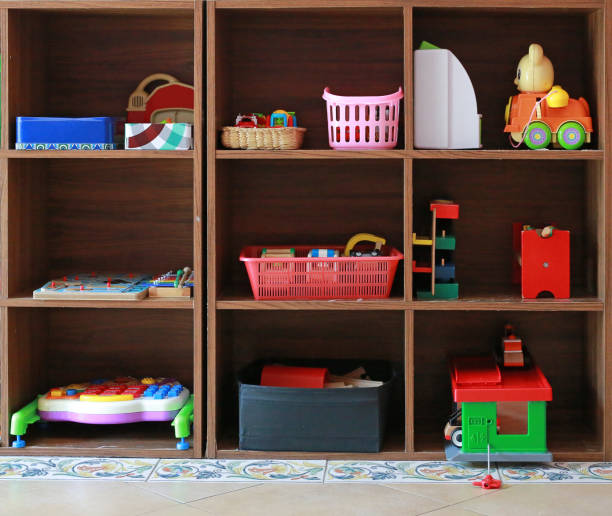
Use a bookshelf turned sideways
Lay it horizontally to create cubby-style toy storage for toddlers.
Keep one bin for “morning toys”
This gives you five golden minutes in the morning while you make breakfast.
Small hacks add up. Tiny improvements turn into noticeable peace.
A Gentle Closing: You’re Doing Better Than You Think
Living in a small space with kids isn’t always pretty. Sometimes it’s chaotic. Sometimes it’s loud. And sometimes, no matter how much you organise, the toys still leak out of their baskets like they’re staging a tiny rebellion.
But you’re doing beautifully.
A small home can feel warm, cosy, and deeply connected. With smart storage hacks and a little creativity, you can create a home that supports your baby’s curiosity and your need for calm.
Remember: you don’t need a huge house. You just need thoughtful systems, a few flexible tools, and the confidence to shape your home the way you want it.
You’ve got this.