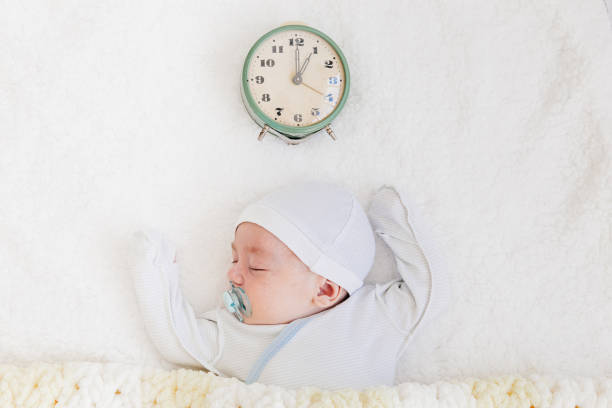
If you’re reading this, I’m guessing you’re either holding a baby who finally fell asleep… or you’re trying to figure out why they won’t. And honestly? You’re not alone. Baby naps can feel like a puzzle that didn’t come with instructions, especially when you’re running on coffee and whatever scraps of sleep last night allowed.
But here’s the thing, baby naps don’t need to feel mysterious forever. Sure, babies are little humans with big needs and tiny communication skills. But with a bit of rhythm, some gentle observation, and a few strategies that actually work in the real world (not the fantasy world where you sleep eight hours and drink water on time), naps start to make sense.
Let’s get into it, but softly, like someone easing a baby into a crib and praying the hinge doesn’t squeak.
1. Why Baby Naps Feel Like a Puzzle No One Warned You About
You know what? It’s wild that hospitals send you home with a brand-new human yet no manual for getting them to sleep longer than a TikTok video. New parents often say the same thing: “Why does my baby nap for 14 minutes and wake up like they just had a full night’s rest?”
Well, short answer? Because babies are doing… baby things, developing rapidly, adjusting to the planet, processing light cycles, and learning how to settle. Their sleep cycles are short, their needs are high, and their brains are busy building connections faster than your phone downloads updates.
It’s not you. Truly. It’s biology.
And still, even when we know the science, it doesn’t make those unpredictable nap days feel any less maddening. But we can add structure and understanding. And that’s where the real shift happens.
2. The Science (But Make It Simple): Why Babies Sleep the Way They Do
Let me explain, babies’ bodies don’t come with stable circadian rhythms at birth. They don’t know daytime from nighttime. They’re still learning that mornings are bright and nights are dark, which is why newborn sleep looks like a spilt bag of Skittles: colourful but unpredictable.
Circadian rhythms begin forming around 8–12 weeks, but even then, naps are more about wake windows and sleep pressure than any strict “schedule.”
And yes, overtiredness is real. Once a baby stays awake past their comfortable threshold:
- Cortisol rises
- Melatonin drops
- And naps become shorter and harder to extend
Think of it like trying to put down a tired toddler at a birthday party, too much stimulation, not enough calm.
3. Wake Windows: The Nap Map We All Needed
Honestly, wake windows saved my sanity. They give you a ballpark idea of how long your baby can comfortably stay awake before they start spiralling into overtired territory.
General Wake Window Ranges
(These are starting points, not hard rules; every baby’s a little different.)
- 0–6 weeks: 45–60 minutes
- 6–12 weeks: 60–90 minutes
- 3–4 months: 75–120 minutes
- 5–7 months: 2–3 hours
- 8–10 months: 2.5–3.5 hours
- 11–14 months: 3–4.5 hours
- 15–18 months: 4–5.5 hours
But here’s the thing, wake windows aren’t clocks; they’re observations. Some days your baby will handle longer periods, especially after a long stretch of sleep. Other days, they’ll fall apart early because they’re teething, growing, or generally being dramatic little cherubs.
So use wake windows as a guide, not a grid.
4. Reading Baby Cues Like a Sleep Detective
Baby cues can be subtle, and sometimes we miss them because daily life is loud and busy. You might catch one cue and think it means hunger when actually it’s fatigue.
Common sleep cues include:
- Staring into space
- Losing interest in toys
- Red eyebrows
- Slow blinking
- Turning the face away
- A sudden burst of hyper energy (yes, late cue!)
What complicates things is that babies don’t use the same cues every day. Sometimes they’re textbook. Sometimes they’re writing their own script. And that’s okay.
A quick tangent (because it matters):
Parents often say, “I don’t think my baby gives cues.”
But many babies give cues so subtle they look like nothing, just a baby zoning out or going quiet. Once you know this, nap timing gets easier.
5. Crafting a Nap Routine That Fits Your Life, not Instagram’s
Here’s the thing: routines help babies feel grounded, but rigidity can make parents crumble. You do not need a 17-step nap routine. You just need a predictable sequence that your baby learns to expect.
Something like:
- Close curtains
- Change diaper
- Quick cuddle
- White noise
- Down for a nap
That’s it. No need for baby massage, elaborate lullabies, or lighting candles like you’re summoning a sleep goddess. Please keep it simple, repeatable, and realistic.
Common mistakes parents don’t realise they’re making:
- Waiting too long between naps
- Overshooting wake windows
- Letting the room get too bright
- Switching routines too often
Small tweaks make big differences.
6. The Nap Environment: Your Baby’s Cosy Sleep HQ
Most babies nap best in a calm, cave-like environment, cool, dark, and with some steady background sound.
What tends to help:
- Dark room: A dark room minimises external stimulation. Some parents swear by blackout curtains; others use travel blinds like Sleepout.
- White noise: Helps babies stay asleep through household noises, especially when you have older kids or you live in an apartment.
- Cool temperature: 20–22°C (68–72°F)
- Safe sleep surface: Firm mattress, no toys, no pillows, nothing loose.
And here’s a fun little side note: stimulation lingers. A busy play session right before nap time can leave a baby buzzed, even if they’re exhausted. Think of it the same way you feel after leaving a crowded party: tired but wired.
7. The Big Nap Transitions (and How to Survive Them with Your Sanity Intact)
Naps drop in stages. Some babies follow the typical pattern; others take their sweet time.
What’s “typical”
- 4–5 months: 4 naps → 3 naps
- 7–9 months: 3 naps → 2 naps
- 13–18 months: 2 naps → 1 nap
Signs your baby is ready to drop a nap:
- Fighting the nap consistently for 5–7 days
- Nap happening too late and bumping into bedtime
- Baby seems happy staying awake longer
- Early morning waking appears out of nowhere
The trick is not dropping naps too quickly. Many parents get excited thinking, “Maybe they’re ready!” but early nap dropping often backfires and leads to cranky evenings.
Move slowly. Stretch wake windows in small increments, 10 to 15 minutes at a time.
8. Short Naps, Catnaps, and the 27-Minute Wake-Up Club
If your baby wakes up after 30 minutes, congratulations, you’re in the largest parenting club on earth. Short naps happen because:
- They’re between sleep cycles
- They’re overtired
- They’re undertired
- The environment was too stimulating
- The body isn’t ready to connect cycles yet
A single short nap isn’t a crisis. But if you’re seeing multiple short naps every day for weeks, something’s off.
When short naps are normal
- 0–5 months: almost always
- During nap transitions
- During growth spurts
When you can try fixing them
- From 5–6 months onward
- Using slightly longer wake windows
- Improving nap environment
- Introducing a short wind-down routine
And don’t underestimate the “rescue nap”, a stroller walk or carrier nap late afternoon can save a grumpy evening.
9. How to Lengthen Naps Without Getting Lost in Overcomplicated Advice
You know what? There’s so much advice online that feels like decoding tax law. Let’s simplify nap-lengthening to the stuff that genuinely moves the needle.
What usually works:
- Consistent start times (first nap anchors the day)
- Predictable wake windows
- Dark room + white noise
- Avoiding overstimulation before naps
- Pausing for a minute before rushing to the baby at the first whimper
Some parents find that practising independent sleep helps naps last longer, but this isn’t universal. Plenty of babies take long, gorgeous naps with full parent contact.
Don’t feel pressured.
10. Nap Scheduling for Working Parents, Stay-At-Home Parents, and Everyone In Between
Real life isn’t a controlled lab environment. Some parents clock into offices. Others juggle nap time with errands, school pickups, or unpredictable work-from-home days.
If you’re a stay-at-home parent:
You’ll likely have more consistency with nap times, but also more interruptions, delivery drivers, neighbours, and older siblings with big opinions.
If you’re a working parent:
You may rely on caregivers, daycare, or grandparents. And that’s normal. Daycare naps are famously short because babies are stimulated by other children, new environments, and noise. It’s not a sign that something’s wrong.
If your family is doing a mix of approaches:
Aim for consistency on the days you control nap time. A flexible baby is a sleeping baby.
A quick cultural note:
In many countries, Kenya, India, the Philippines, babies nap anywhere: on backs, in carriers, wrapped snug in slings. Flexibility keeps families moving. Routine doesn’t always mean crib, and that’s okay.
11. Travel Days, Teething, Growth Spurts, and Everything That Breaks the Routine
Babies hit phases where naps implode for reasons that have nothing to do with your effort.
Common disruptors:
- Teething: discomfort, drooling, clinginess
- Growth spurts: extra hunger
- Wonder Weeks (developmental leaps): more alertness
- Travel: new environments
- Illness: exhaustion mixed with irritability
A good rule of thumb?
Protect nighttime sleep first. Naps will follow.
Once the storm passes, you can reset by focusing on:
- Early bedtime
- Anchoring the first nap
- Returning to familiar routines
- Re-establishing wake windows
12. When to Worry (and When to Just… Let It Go)
Most nap issues are temporary. Still, there are moments when reaching out to a paediatrician or sleep consultant makes sense.
Consider extra support if:
- Baby consistently naps for less than 45 minutes beyond 6 months
- Baby seems excessively sleepy throughout the day
- Naps are worsening despite consistent routines
- Baby snores loudly or struggles to breathe
- Extreme fussiness accompanies every nap attempt
But if your baby’s naps are just inconsistent, welcome to the club. That’s normal. Truly.
13. Sample Nap Schedules (0–18 Months)
(Flexible, realistic, not rigid)
0–3 Months
- 5–6 naps
- Wake windows: 45–90 minutes
- Example (very loose):
- 7:00 wake
- 8:00 nap
- 10:00 nap
- 12:00 nap
- 2:00 nap
- 4:00 catnap
- 7:00 bedtime
4–6 Months
- 3–4 naps
- Wake windows: 1.5–2.5 hours
- Example:
- 7:00 wake
- 8:45 nap
- 11:30 nap
- 2:30 nap
- 4:30 catnap (optional)
- 7:00 bedtime
7–10 Months
- 2–3 naps
- Wake windows: 2.5–3.5 hours
11–14 Months
- 2 naps most days
- Example:
- 9:30 nap
- 2:00 nap
15–18 Months
- Transition to 1 nap
- Wake windows: 4–5.5 hours
- Example:
- 12:30–2:30 nap
Remember: some babies thrive on longer wake windows earlier than average, while others need shorter ones. Neither is wrong.
14. A Gentle Reminder Before You Go
Parenting is tough work, and baby sleep can make you question everything: your abilities, your routines, your sanity. But you’re doing better than you think.
Your baby isn’t behind. You’re not doing anything “wrong.” You’re both learning from each other hour by hour.
And yes, naps eventually stabilise. One day, you’ll put your toddler down and they’ll nap for two hours straight while you drink a whole cup of tea while it’s still warm. It’s a magical moment.
Until then, take it one nap at a time.
You’ve got this. And you’re not alone, far from it.