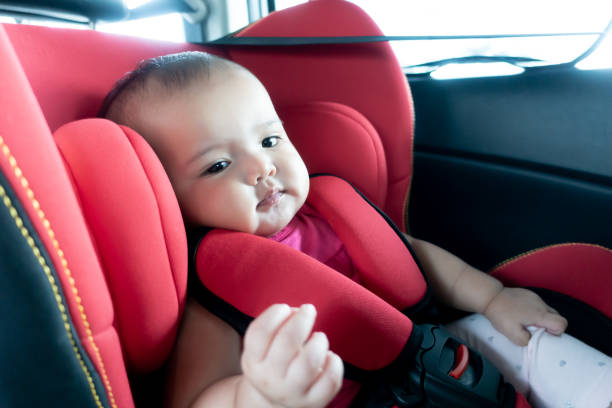
If you’ve ever stood in your driveway with a squirmy newborn, wrestling a car seat buckle that seems to shrink every time you touch it, you’re not alone.
Every parent has had that moment, the low sigh, the double-checking of every strap, the “Why isn’t this thing as simple as they said?” sort of frustration that bubbles up when you’re tired and just trying to get somewhere.
Honestly, car seats feel like they come with their own secret language. And if you’re a new parent, you’re already learning so much at once that another manual can feel like an exam you accidentally signed up for. But you know what?
You’re learning faster than you think. And with the right little tricks, shortcuts, and sanity-savers, the whole car seat experience starts feeling less like a puzzle and more like a routine you could probably do one-handed (which, let’s be real, you’ll have to do eventually).
Let’s walk through real-world hacks parents swear by, with plenty of digressions from lived experience, a little humour, and some practical nuggets that should make the day-to-day feel lighter. Grab a snack. This is the kind of guide you’ll want bookmarked.
Before You Even Buckle In. The Setup Tricks That Save Time Later
Before a baby even sits in the seat, there’s that first moment when you open the box and think, “Do people get degrees for this?” The plastic smell, the stiff fabric, the endless straps, all part of the initiation. You’d think installing a car seat would be like snapping together the world’s safest Lego set. Instead, it feels more like decoding ancient weather symbols.
Still, a few setup hacks can make everything smoother from day one.
Choose a Seat That Actually Fits Your Life
This sounds obvious, but so many parents pick a seat based on what a friend likes or what the store has in stock. But daily life matters:
- If you’re constantly moving between cars, lighter infant seats (like Graco SnugRide series) make a difference.
- If you want fewer upgrades later, all-in-one seats (like those from Diono or Evenflo) keep you running longer.
- Rotating seats like Nuna Revv or Evenflo Revolve have become surprisingly popular; spinning to load a baby feels almost luxurious.
There’s no perfect seat, just the one that fits your actual rhythm.
Do a Quick ‘Garage Test’ Before the Baby Arrives
A small but mighty hack: install the seat while you’re still in the calm-before-the-chaos phase. Try:
- Getting the seat in and out
- Adjusting strap height
- Practising taking a stuffed animal in and out (parents laugh at this until they actually try it)
That early practice means fewer frustrations when you’re exhausted and late for a paediatrician appointment.
Take Setup Photos. Future You Will Thank You
Every parent eventually removes the seat cover to wash it, only to completely forget how it was threaded. Snap photos of:
- Strap threading
- How the padding sits
- Where the manual suggests each piece goes
A friend once told me this was her “car seat breadcrumb trail.” It’s a fitting description.
Painter’s Tape Is Your New Teammate
Painter’s tape sticks lightly and leaves no residue. Parents use it to:
- Mark harness height for daycare providers
- Note reminders (“Chest clip at armpit level!”)
- Label parts before taking the seat apart
It’s honestly magical.
Installation Hacks That Make You Feel Like You Know What You’re Doing
Installing a car seat sometimes feels like wrestling with a friendly but incredibly stubborn bear. You push, you pull, you kneel on it, you adjust, and you still end up wondering, “Is this tight enough? Am I missing something?”
Let me explain a few tricks that make the whole process less stressful.
Understand the LATCH vs. Seatbelt Debate Without Losing Your Mind
LATCH (Lower Anchors and Tethers for Children) is simple on paper, but cars vary so much that finding the anchors can feel like searching for buried treasure.
Some tips:
- Use LATCH for seats positioned next to obvious anchor points.
- Use the seatbelt method if your car’s middle seat doesn’t support LATCH or if your child is approaching the LATCH weight limit.
- Don’t use both methods at once.
You know what helps most? Actually, ly, lying inside the car seat area while you do it, not outside. It gives you better leverage. Yes, you’ll look ridiculous. Every parent does.
Lean Into the ‘Inch Test’, It’s Really Helpful
If you can move the seat more than an inch at the belt path, it’s too loose. The test is simple, but easy to forget. A tiny reminder written on, again, a bit of painter’s tape makes life easier.
Get Extra Grip Without Overcomplicating Things
Some parents place a towel under the seat to protect the car fabric. Trouble is, thick towels can interfere with installation. If you want to protect your upholstery, use something thin and approved for car seats — like a small mat from the same brand. Or skip it.
And here’s a little contradiction that I’ll explain: pushing harder doesn’t always equal safer. Many people press so aggressively while tightening that they distort the angle. Firm is good; overkilling it, not so much.
Cold-Weather Tightening Is Its Own Beast
In winter, harness straps stiffen. They don’t glide smoothly. A quick warm-up trick:
- Run the defroster for just a minute
- Massage the straps near the adjuster
This softens them slightly, making tightening easier without compromising safety.
Harness and Strap Secrets Most Parents Don’t Hear at the Hospital
That first moment you tighten a harness on a newborn is strangely emotional. Your instincts kick in. You want them safe, but you also don’t want to feel like you’re squishing them. And every nurse you ask seems to say something slightly different.
Here’s the thing: harness hacks are about confidence more than anything else.
The Snug Test, Explained Without the Jargon
You should be able to slide two fingers under the strap at the collarbone, not too loose, not too tight. And honestly, it takes a few tries before it becomes muscle memory.
I know some parents try adjusting with gloves or mittens on, and it throws off their feel for it. Use bare fingers when possible.
Remember: Rear-Facing Requires Low Shoulder Positioning
For rear-facing seats, straps should sit at or below the shoulders. Forward-facing flips that rule.
New parents mix this up all the time; you’re not alone.
A small card tucked behind the seat with this reminder works wonders.
Harness Height Matters More Than Aesthetic Symmetry
Parents often obsess over whether the straps look perfectly even. But snug matters more than pretty. Snug matters more than symmetry. Snug keeps your baby from shifting in an accident, and that’s what counts.
Why Chest Clips Wander (And How to Keep Them Put)
Chest clips slide down because babies wiggle like warm noodles. A quick fix:
- Adjust the harness first
- Slide the chest clip up last
- Give a gentle pinch to the webbing above the clip
It holds its position better that way.
The Car Seat Cleaning Survival Guide
If toddlers ruled the world, it would be sticky and crumb-covered. Car seats are proof. One day, you’ll strap your kid in and discover a puff snack crushed into geological layers. Or a strange substance you swear you never bought.
You can’t prevent every mess, but you can control the cleanup battle.
The ‘Car Seat Shower Cap’ Trick
A parent once told me she kept a cheap shower cap in the car and slipped it over the seat when she expected wet swimsuits or muddy clothes. It’s surprisingly handy, especially post-beach or post-splash-pad.
Freeze First, Clean Later
For melted crayons, gummy candy, or half-chewed cereal that has fused to the fabric:
- Stick the cover in the freezer for 20–30 minutes
- Scrape gently
It pops right off.
Handheld Vacuum in the Trunk = Hero Move
A compact vacuum (like a Black+Decker cordless) solves tons of mini messes. You don’t even need to bring the seat inside.
And here’s a small tangent, the trunk vacuum can save the day in non–car seat emergencies too: spilt coffee beans, sandbox surprises, handfuls of dried leaves your toddler proudly collected.
Pick Seats With Washable Covers (You Won’t Regret It)
Brands like Chicco, Britax, and Clek get a lot of love because their covers are easier to remove than others. The first time you wash a car seat cover at 2 a.m. after an unexpected diaper disaster, you’ll understand why this matters.
Comfort Hacks to Keep Everyone Sane on Long Rides
Have you ever pulled into the driveway, finally exhaled, and then watched your baby fall asleep just as you parked? It’s practically a rite of passage. Babies nap deeply when the engine is running, making car comfort a big deal.
Sunshade Tricks That Actually Work
Most suction-cup shades fall off when it’s hot or when the universe wants to test you. Instead:
- Try cling-style shades that stick via static
- Keep a light muslin blanket handy for emergency shading (tucked safely, not draped over the seat)
Temperature Control the Easy Way
Car seats trap heat in summer and feel like cold stone in winter. A simple routine helps:
- In summer, cover the seat with a towel when parked
- In winter, warm the car briefly before loading
- Keep a small cloth nearby to check the buckle temperature
Hot buckles can startle a baby, and startled babies have long memories.
Safe Comfort Additions
Most aftermarket headrests or padding aren’t allowed. But parents often swear by:
- Rolled receiving blankets were placed outside the harness for newborn support
- Thin breathable seat liners approved by the brand
Skip anything plush or bulky.
Babies Make You a Meteorologist
It’s funny, a few months into parenthood, you’ll know more about shade patterns, car interior heat cycles, and the angle of the afternoon sun than you ever cared to. It’s all part of keeping your little one comfy.
Getting Baby In and Out Without Pulling a Muscle
You don’t realise how often you bend, twist, and lift during daily car seat routines until you feel it in your back. No one warns you that parenthood comes with its own ergonomic challenges.
Winter Gear: The No-Coat Rule
Puffy coats and car seats don’t mix. They create dangerous gaps.
But that doesn’t make winter any easier. Instead:
- Dress your child in thin layers
- Buckle them first
- Add a blanket or coat over the harness
The process feels backwards at first, then becomes second nature.
The Hip-Shift Technique
Instead of bending straight down:
- Lift the baby using your legs
- Hold them close
- Shift them to your hip
- Rotate gently into the seat
It’s kinder on your spine, especially as they grow.
Preventing Strap Twists
A quick ritual helps:
- Run your fingers along the strap each time before tightening
- Straighten any flips early
- Slide the chest clip down slightly while loading to keep the straps spread
Small preventative steps feel mundane but save frustration.
Stroller-to-Car Transfer Without Chaos
If you’re juggling groceries, bags, and a stroller, try this order:
- Get the baby into the car seat first
- Load groceries
- Fold the stroller last
It keeps the rhythm smooth and reduces the chance of leaving something behind, which, honestly, we’ve all done once.
Travel and Airport Hacks Nobody Warns You About
Travelling with a baby is a sport. Maybe not Olympic-level, but close. Between TSA lines, carry-ons, and lugging gear, you become a one-person logistics team.
TSA Realities
Yes, you can bring a car seat through security. You’ll place it on the belt or have it manually checked. Bring extra time because… well, TSA and baby gear aren’t the fastest combination.
Travel Bags Are Worth It
You don’t need a fancy one, but a padded travel bag protects your seat when gate-checking. Popular picks include J.L. Childress bags and the Britax travel case.
The Luggage Cart Trick
Strap the car seat onto a rolling suitcase using its harness or a bungee cord. Suddenly, it becomes a makeshift stroller. It looks funny, but it works.
Lightweight Seats for Travel
The Cosco Scenera NEXT is a cult favourite among parents who fly often. Light, easy to carry, and cheap enough that you won’t panic if it gets scuffed.
And a small, relatable digression: There’s something about airports that makes your baby hyper-aware of how inconvenient diaper changes really are. You’ll adapt. Everyone does.
Tiny Hacks That Make a Big Difference
Sometimes it isn’t the big strategies, it’s the micro-habits.
The Mini Emergency Kit
Keep a small pouch in the car with:
- A spare pacifier
- A change of clothes
- Travel-size wipes
- A plastic bag for soiled clothing
- Snacks if your child is older
You’ll forget it exists until you desperately need it.
Painter’s Tape (Again!) for Caregivers
Grandparents and babysitters get overwhelmed with car seat rules.
Stick a small reminder note where they can see it. Simple, friendly, effective.
Hide a Spare Onesie in the Base
Parents joke about car seat bases being “storage units with rules.” But sliding a spare onesie in the base? Total lifesaver.
Taming the Toy Chaos
A small soft basket keeps toys reachable but contained. You don’t need a mobile museum of rattles.
Myths, Misconceptions, and ‘Wait, Is That Actually Safe?’
There’s no shortage of advice, some helpful, some questionable, some downright bizarre.
Let’s clear a few things up.
Myth: Aftermarket Padding Helps Babies Fit Better
Truth: Extra padding can compress in a crash and create gaps. Stick with what your seat includes.
Myth: Forward-Facing Is Fine as Soon as They Hit One
Most experts recommend keeping kids rear-facing as long as possible within the seat’s limits. It’s dramatically safer.
Myth: Winter Coats Are Fine If You Tighten the Harness Extra Hard
Unfortunately, no. Bulk compresses.
Myth: It’s Okay If Their Head Slumps a Bit
A slight tilt is normal, but extreme slumping is dangerous for newborns. Adjusting the recline angle correctly manually helps here more than YouTube does.
And here’s an emotional truth: questioning yourself doesn’t mean you’re doing it wrong. It means you care.
When to Upgrade or Replace the Seat, Without Stressing About It
Parents feel pressure to upgrade early or often, but most seats last longer than people think.
Expiration Dates Explained Simply
Car seats expire because materials break down slowly, especially under heat. Most last 6–10 years. The sticker on the seat tells you the exact date.
After a Crash
If your seat was in a moderate or severe crash, replace it. Many insurance companies cover replacements. Some brands (like Britax) even have replacement programs.
Growth Milestones
Kids outgrow seats in three ways:
- Height
- Weight
- Shoulder strap position limit
Often, height is the limiting factor.
Seasonal Rhythm
Many parents upgrade in spring or summer when road trips become frequent. It’s not required, but it feels natural.
You’re Doing Better Than You Think
If you’ve made it this far, take a breath. You’re not expected to master everything overnight. Car seats come with a learning curve, and every parent, every single one, has had a moment of staring at a buckle like it’s a riddle.
You care enough to read, learn, check, re-check, and maybe even laugh at how odd some of this gear can be. And that care is what keeps your child safe long before any harness does.
Car seats might not feel intuitive, but with simple habits, a few clever hacks, and a little grace for yourself on the rough days, the process starts to feel manageable. Sometimes, ”s even easier.
You’ve got this, truly. And the next time you hear another parent mutter something under their breath while adjusting a chest clip in the parking lot, you’ll smile and think, “Yep. Been there.”