Because Let’s Be Honest, Baby Poop Is Basically a Household Crisis
When Poop Becomes a Problem
Let’s cut to the chase, when your baby hasn’t pooped in two days, you feel it too. You’re staring at diapers like they’re lottery tickets, praying for that magical number two.
And while it’s tempting to Google things until 3 a.m. (which, let’s admit, we’ve all done), a lot of times baby constipation just needs a few gentle tricks at home. Nothing invasive. Nothing weird. Just warm baths, a little legwork (literally), and maybe some prune magic.
Let’s walk through it, mom-to-mom (or dad-to-dad). You’ve got this.
Why Do Babies Get Constipated Anyway?
Here’s the thing, baby tummies are not exactly well-oiled machines. They’re more like unpredictable vending machines: sometimes they deliver, sometimes they jam.
Constipation can show up when:
- Baby transitions from breastmilk to formula
- Solids enter the chat (hello, carrots and confusion)
- There’s not enough water in their tiny system
- They’re going through a growth spurt or illness
And sometimes? It just happens. Their digestive systems are still figuring out the ropes, so the occasional poop delay is part of the gig.
But don’t worry, we’ll get into how to tell if it’s really constipation or just a weird blip on the diaper radar.
How to Tell If Your Baby’s Constipated (Not Just Taking a Poop Vacation)
Babies can’t exactly say “Hey Mom, I feel backed up!” so you’ll have to read the signs.
Constipation clues:
- Fewer than 3 bowel movements per week
- Hard, pellet-like stools
- Straining or crying during pooping
- Bloated tummy
- Refusing feeds or acting fussy
But, and here’s where things get tricky, some babies can go a day or two without pooping and still be perfectly fine. It’s about the texture and effort, not just the frequency.
1. Warm Baths Not Just for Relaxation
There’s something oddly magical about a warm bath. It’s like a reset button for babis and their bellies.
Why it works:
Warm water relaxes the abdominal muscles and may stimulate bowel movement. Bonus: it soothes crankiness from the discomfort.
Pro tip:
Add a few drops of baby-safe chamomile oil. Not only does it smell amazing, but chamomile is known for its gentle calming properties.
After bath time, try a gentle tummy massage (more on that next) that’s your one-two punch.
2. Tummy Massage, Your Hands Have Healing Powers
Okay, maybe not literally. But a good baby belly massage? It can work wonders.
Try this technique:
- Warm your hands first
- Lay the baby on its back
- Use your fingers to draw gentle clockwise circles on the tummy
- You can also try the “I Love U” technique (look it up, total game changer)
Massage after a bath or before bedtime when your baby is calm and relaxed. It’s not just soothing—it helps release trapped gas and may move things along.
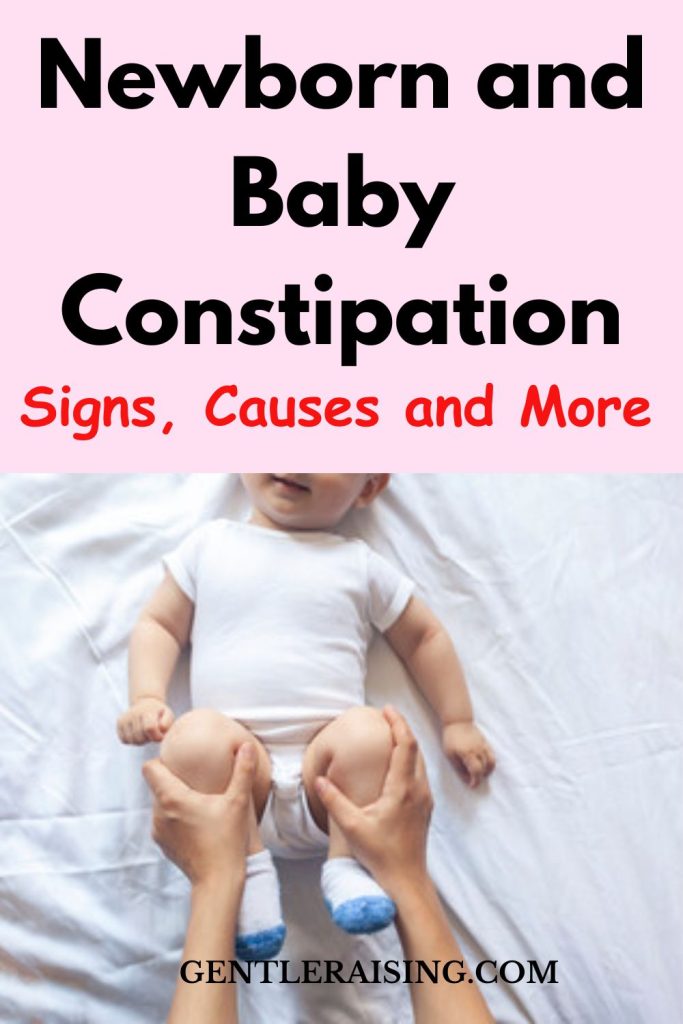
3. Bicycle Legs Yes, Baby Pilates Is a Thing
Think of this one like a baby workout minus the sweatbands.
Gently hold your baby’s legs and move them in a pedalling motion. Think: tiny Tour de France.
Why it helps:
The motion stimulates intestinal movement and can relieve pressure or gas. It also makes babies giggle, which is half the therapy right there.
Do it a few times a day, especially before naps or after a feed.
4. Hydration Matters. Even for Babies
Let’s bust a myth: babies don’t always get enough hydration, especially formula-fed ones.
If your baby is older than six months and eating solids, offer a few sips of water during the day. Not juice. Not soda (please no). Just good ol’ H2O.
For exclusively breastfed babies:
More frequent nursing sessions can help. Breastmilk adjusts to provide extra water when needed—pretty amazing, right?
For formula-fed babies:
Talk to a paediatrician before adjusting water quantities in formula. But you can usually offer a small amount of water between feeds (again, only after six months).
5. Gripe Water & Natural Baby Drops. Tiny Bottles, Big Relief?
Ah, gripe water, the mysterious liquid in many parents’ medicine cabinets.
It’s usually a mix of herbs like fennel and ginger, designed to ease gas and tummy discomfort. Some versions even help with constipation indirectly by relaxing the digestive tract.
Look for alcohol-free, sugar-free options specifically made for infants.
Avoid versions with sodium bicarbonate, as it can affect the baby’s pH levels.
Check with your paediatrician before trying anything new; some drops can interact with medications or aren’t suited for newborns.
6. A Gentle Change in Diet. Let’s Talk Fibre (Yep, Already)
Once your baby starts solids, what goes in really affects what comes out.
Try these poop-friendly foods:
- Pureed pears
- Peaches
- Plums
- Spinach (mixed in with other mild veggies)
- Oatmeal (fibre-rich and easy to digest)
Skip these if baby’s constipated:
- Bananas (especially underripe ones)
- Applesauce
- Carrots (in large quantities)
Honestly, diet changes don’t work overnight. Give it a couple of days, and observe how your baby responds.
7. The Magical Prune Puree. Yes, It’s Baby-Safe
Prunes are nature’s laxative, but don’t worry, you don’t need to serve them straight-up like grandma used to.
Make your own prune puree:
- Soak a few prunes in hot water for 30 minutes
- Blend with a little breastmilk or formula
- Serve 1–2 teaspoons once a day if your baby is 6+ months
You can also find baby-safe prune pouches or mixes at stores like Earth’s Best or Plum Organics.
Don’t go overboard, though. Too much can lead to, yep, diaper blowouts. And nobody wants that on a Monday morning.
When to Call the Paediatrician Because Sometimes Poop Needs Backup
If home remedies aren’t cutting it, or if your baby seems genuinely distressed, it’s time to bring in the experts.
Call the doc if:
- Baby hasn’t pooped in 5+ days
- There’s blood in the stool
- They’re vomiting or refusing to eat
- Their belly is hard or swollen
- You just feel something’s off (always trust your gut)
And hey, no shame. Babies are complicated, and every parent needs backup sometimes.
Final Thoughts: Patience, Poop, and a Whole Lotta Love
Dealing with a constipated baby feels way more dramatic than it should. You’re doing all the right things, researching, worrying, massaging little tummies, trying new foods. It’s exhausting.
But you know what? This phase doesn’t last forever. Poop will return. Diapers will get heavy again. And your baby? They’ll be smiling and cooing in no time.
Keep those baths warm, the prunes handy, and the paediatrician on speed dial, just in case. You’ve got this, really.
And if you ever find yourself whispering “please poop, please poop” during a diaper change, welcome to the club.