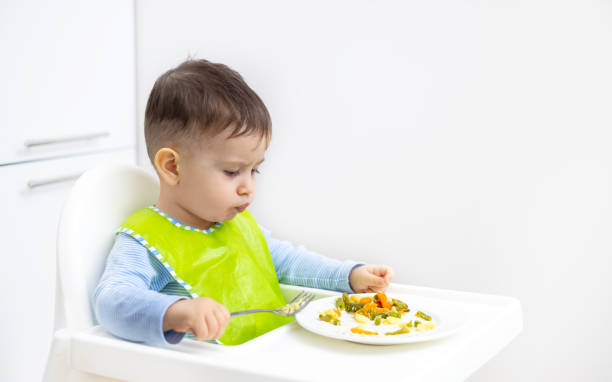
Here’s something no one tells you before you become a parent: the hardest part isn’t the sleep deprivation (well, not only that). It’s mealtime. Specifically, toddler mealtime, where a plate of perfectly cut strawberries can be met with a theatrical wail because they touched the crackers.
If you’re currently staring down a small human who ate exactly four peas for lunch and then asked for ice cream, you’re in good company. Feeding toddlers is genuinely one of the messiest, most emotionally loaded parts of parenting this age group. And yet, it doesn’t have to feel like every meal is a standoff at high noon.
A solid toddler meal schedule, one that’s flexible, realistic, and built around how toddlers actually think and behave, can change everything. Not overnight, and not perfectly. But meaningfully. Let’s get into it.
Why a Schedule Matters More Than the Menu
Before we talk about what to feed your toddler, we need to talk about when. This is the part most parents skip straight past, and it’s honestly where the magic (or the chaos) lives.
Toddlers are creatures of rhythm. Their bodies run on predictable cycles of hunger and fullness, and when meals come at random times, you get a child who grazes all day, never arrives at the table hungry, and then wakes up at 5 AM desperate for a snack. Sound familiar?
Ellyn Satter, a registered dietitian and family therapist whose Division of Responsibility (sDOR) framework has become something of a gold standard in pediatric feeding, argues that structured meal and snack times are foundational. The idea is simple: you decide when food is offered, and your child decides whether and how much to eat. Structure on your end actually gives your toddler more autonomy, not less.
When meals are predictable, toddlers can relax. They’re not holding out for a better offer or filling up on milk at 4 PM because they weren’t sure if dinner was coming. The schedule creates the conditions for actual appetite and actual eating.
The Basic Framework: What a Good Toddler Eating Schedule Looks Like
Most toddlers (roughly ages 1–3) do well with three meals and two to three snacks a day, spaced about two to three hours apart. That sounds simple enough, but the timing matters more than you’d think.
Here’s a rough template that works well for many families:
Sample Daily Schedule
- 7:00–7:30 AM – Breakfast
- 9:30–10:00 AM – Morning snack
- 12:00–12:30 PM – Lunch
- 3:00–3:30 PM – Afternoon snack
- 5:30–6:00 PM – Dinner
- Optional: Small bedtime snack if needed, around 7:00 PM
Notice there’s no continuous snacking window. No, the kitchen is always open. Meals and snacks have a beginning and an end, and then the kitchen closes until the next scheduled time.
Does that sound harsh? It’s actually the opposite. When toddlers know that food comes reliably and that they won’t have to beg for it, they tend to be calmer at the table, not more desperate.
Can You Shift the Timing?
Absolutely. If your child wakes at 6 AM, push everything an hour earlier. If they nap late and dinner at 5:30 feels rushed, move it to 6:15. The specific clock times matter far less than the rhythm, roughly every two to three hours, consistent enough that your toddler’s body starts to anticipate meals.
Weekends might look different. That’s fine. What you’re building is a general pattern, not a military operation.
Let’s Talk Breakfast: The Meal That Sets the Tone
Breakfast is powerful. It establishes the day’s eating rhythm, affects mood and focus, and let’s be real, it often determines whether your morning is manageable or chaotic.
The good news is that toddler breakfasts don’t need to be elaborate. You know what? They don’t even need to be breakfast foods. (A leftover quesadilla at 7 AM is perfectly nutritious, don’t let anyone tell you otherwise.)
What makes a solid toddler breakfast is the combination: something with carbohydrates for quick energy, something with protein or fat to sustain them through the morning, and ideally something they actually enjoy. You’re not aiming for a perfect plate, you’re aiming for something they’ll eat.
Breakfast ideas that actually get eaten:
- Whole-grain toast with peanut or almond butter, sliced banana on the side
- Scrambled eggs with cheese, served with fruit pieces
- Oatmeal with blueberries stirred in, add a drizzle of honey for kids over 12 months
- Full-fat Greek yoghurt with a small handful of cereal on top for crunch
- Pancakes made with oat flour and mashed banana batch cook on Sundays, reheat all week
- Avocado toast with a soft-boiled egg
One note on drinks: toddlers should have most of their milk (if you’re still offering it) at meals, not between them. A sippy cup of whole milk at breakfast is fine. An open-ended milk bottle throughout the morning is filling them up on calories before snack time even arrives.
Morning Snack: The Bridge, Not the Main Event
Here’s where many parents accidentally derail the schedule. The morning snack exists to tide your toddler over until lunch; it’s not supposed to be a second breakfast.
Keep it small. One or two components, not a full spread. Think: a handful of crackers and some cheese cubes. A few apple slices with a small scoop of hummus. Some grapes cut in half (always cut, always grapes are a choking hazard) and a few pretzels.
Timing matters here, too. If you serve the morning snack at 9:30 AM and lunch is at noon, that’s two and a half hours, plenty of time for your toddler to work up a real appetite for the bigger meal. If you let them snack freely until 11:30 and then wonder why they won’t touch their lunch, well.
Lunch: The Underdog Meal
Lunch doesn’t get nearly enough credit. It’s midday, you’re probably tired, and your toddler may or may not still be in some kind of emotional aftermath from the morning. And yet lunch is often the best opportunity for introducing new foods, because toddlers are generally more rested and less depleted than at dinner.
The classic dietitian-recommended plate structure, often called a ‘balanced plate’, includes a protein, a grain or starch, a fruit or vegetable, and a fat. You don’t need to hit all four every time. But having a mental checklist helps.
Some lunch combinations that work:
- Mini whole-grain pita with hummus and cucumber slices, plus cheese cubes
- Quesadilla with black beans and shredded chicken, served with mango chunks
- Mac and cheese (yes, the boxed kind is fine) with steamed broccoli mixed in
- Turkey and cheese roll-ups with grape halves and a few crackers
- Lentil soup with a piece of soft bread for dipping, toddlers love anything dippable
- Leftover dinner pasta with olive oil and parmesan, fruit on the side
And here’s the thing about new foods at lunch: because there’s less emotional weight on the meal, toddlers sometimes engage with unfamiliar foods more willingly. Dinner tends to carry more pressure; everyone’s tired, there’s a bedtime looming, so lunchtime is actually a gentler space for exploration.
Don’t force it. Just keep offering. The research on food acceptance in toddlers is fairly consistent: repeated exposure over time, sometimes 15 or 20 exposures, is what eventually leads to acceptance. One rejected floret of broccoli does not mean your child will never eat vegetables. It just means not today.
Afternoon Snack: The One They Live For
The afternoon snack is often the snack. The one your toddler has been thinking about since approximately noon. This can be a slightly heartier offering than the morning snack, especially if dinner is a couple of hours away.
Good options include: apple slices with peanut butter, a small smoothie made with Greek yoghurt and frozen berries, cheese and whole-grain crackers, a small bowl of trail mix (skip the nuts if they’re under 4 choking risk), or half a banana with some cream cheese.
One thing to watch: if dinner is at 5:30, don’t let the afternoon snack run past 3:30 or 4:00. You want that window of genuine appetite to rebuild before the family sits down to eat.
Dinner: Everyone’s Favourite Battlefield (And How to Make It Less So)
Dinner is when all the day’s fatigue, yours and your toddler’s, converges at the table. It’s also when we tend to have the most emotional investment in what they eat, because somehow dinner feels like the ‘real’ meal. The one that matters.
Let’s gently challenge that framing.
Your toddler does not need to eat a nutritionally complete dinner every night. They need, across the course of a day and a week, to get a reasonable range of nutrients. That’s a very different thing. A child who ate a solid breakfast and a good lunch and then mostly picked at dinner? They’re probably fine.
The One-Family-Meal Approach
Here’s a shift that makes dinner dramatically less stressful: serve one meal for the whole family, but make sure at least one component on the plate is something your toddler reliably eats. A ‘safe food,’ their current favourite bread, the pasta they always eat, whatever it is.
You’re not making a separate toddler meal. You’re not becoming a short-order cook. You’re just being thoughtful about the spread. The family eats pasta with arrabbiata sauce and roasted vegetables; your toddler gets the same pasta (maybe with a little butter), the same vegetables (even if they don’t eat them), and their reliable bread on the side.
They see the family eating. They have something they’ll actually eat. And they’re exposed again to the foods they’re not yet accepting. That’s a win, even if the vegetables end up on the floor.
Dinner Meal Ideas That Bridge Toddler and Adult Tastes:
- Sheet pan chicken thighs with roasted sweet potato and green beans served with rice for a toddler
- Beef or lentil tacos serve the components separately so the toddler can assemble their own
- Salmon with quinoa and peas, most toddlers will eat salmon if it’s mild and flaky
- Spaghetti Bolognese a classic for a reason; the meat sauce is easy to hide vegetables in
- Chicken and vegetable stir-fry over noodles, keep the sauce on the side for toddlers
- Egg fried rice with frozen peas and diced carrots is quick, nutritious, and nearly universally accepted
The Bedtime Snack Question
Some toddlers genuinely need a small snack before bed, especially if dinner was early or they didn’t eat much. Others don’t. You know your child.
If you do offer a bedtime snack, keep it small and calming, something like whole-grain crackers with cheese, a small cup of warm milk, or half a banana. You’re not trying to fill them up; you’re just taking the edge off hunger so it doesn’t interrupt sleep.
Avoid anything too sugary or stimulating close to bedtime, and try to brush teeth after a small logistical annoyance, but worth it.
What About Picky Eaters? (A Digression Worth Having)
If there’s one topic that sends parents into a spiral, it’s picky eating. And it deserves more than a bullet point.
Here’s something that might actually help reframe things: most toddler pickiness is developmentally normal. Between the ages of one and three, children go through a phase called food neophobia, a genuine, biologically driven wariness of new or unfamiliar foods. It’s thought to be an evolutionary leftover from a time when trying an unknown plant could be dangerous.
Your toddler is not being difficult. Their brain is doing exactly what it’s supposed to do.
What doesn’t help: pressure, bribing, forcing, or making elaborate separate meals. What does help: repeated low-pressure exposure, eating together as a family, involving toddlers in food prep (even just washing vegetables), and trusting that preferences shift over time.
Also worth knowing: the foods a toddler accepts tend to expand after age three. The preschool years often bring a noticeable loosening of rigidity around food. That’s not a promise, but it is a pattern. Give it time.
Hydration: The Thing We Forget to Schedule
Water. Honestly, just water offered regularly throughout the day, but especially between meals and snacks. Toddlers between 1 and 3 years old need roughly 1.3 litres of total fluids per day, though a portion of that comes from food.
Keep a small cup of water accessible and refill it often. Some toddlers do well with those little straw cups; others prefer open cups (messy, but great for oral motor development). You don’t need anything fancy, just consistent access.
Be thoughtful about juice. Current guidance from the American Academy of Paediatrics recommends limiting 100% fruit juice to no more than 4 ounces per day for children aged 1–3, and avoiding it entirely for children under 12 months. Juice fills toddlers up with sugar and calories without offering the fibre and nutrients of whole fruit.
Common Scheduling Mistakes (And How to Course Correct)
Even with the best intentions, certain patterns sneak in and undermine the whole system. Here are a few to watch for:
The Endless Snack Trap
Grazing all day feels kind to toddlers; they’re never hungry! But it actually prevents them from building a real appetite. If your toddler won’t eat meals, check whether snacks are too frequent or too close to meal times.
The Milk Over-Reliance
Toddlers over 12 months need no more than about 16–24 ounces of whole cow’s milk per day. More than that starts to displace iron-rich foods and can contribute to iron-deficiency anaemia. If your toddler drinks a lot of milk and won’t eat, cutting back on milk is often the first thing a paediatric dietitian will suggest.
The Short-Order Cook Spiral
It starts innocently: your toddler won’t eat what you made, so you quickly whip up something they like. Twice becomes a habit. The habit becomes a rule. Suddenly, you’re making three different dinners and wondering how it got to this point.
One family meal. One safe food on the plate. No substitutes. It takes a few hard evenings to establish, but it’s worth it.
The Clean Plate Pressure
Pushing toddlers to finish everything on their plate overrides their ability to self-regulate hunger and fullness, which is actually well-developed in young children, as long as we don’t interfere with it. Trust that they know when they’re done.
A Sample Full-Day Meal Schedule (Printable-ish)
Let’s put it all together. This is a sample day for an 18-month to 3-year-old — adjust portion sizes and timings to suit your child.
7:00 AM Breakfast
- Scrambled eggs with a little butter
- Whole-grain toast, cut into strips
- Sliced strawberries
- Water or 4 oz whole milk
9:30 AM Morning Snack
- A few whole-grain crackers
- 2–3 cubes of cheddar cheese
- Water
12:00 PM Lunch
- Mini pita with hummus
- Cucumber rounds and halved cherry tomatoes
- Diced mango
- Water
3:00 PM Afternoon Snack
- Apple slices with peanut butter
- A few raisins
- Water
5:30 PM Dinner
- Soft pasta with mild tomato sauce (or butter and parmesan)
- Shredded chicken or lentils
- Steamed broccoli (offered even if not eaten)
- Bread as safe food
- Water
7:00 PM Optional Bedtime Snack
- Warm whole milk or water
- A few crackers with cheese (if needed)
A Word on Days That Fall Apart
Some days, none of this works. Your toddler refuses everything, the schedule goes sideways, and you end up giving them a pouch of baby food and calling it dinner. That’s okay. It’s more than okay; it’s parenting.
The schedule is a framework, not a measuring stick for how good a parent you are. One chaotic day doesn’t undo a week of consistent, relaxed mealtimes. Consistency over time is what matters, not perfection on any given Tuesday.
Give yourself the same grace you’d give any parent you love. And then, tomorrow, set the breakfast plate back down at 7 AM and try again.
Final Thoughts: The Big Picture
A toddler meal schedule that works does not guarantee your child eats broccoli or finishes their plate or tries the new food you spent twenty minutes cutting into dinosaur shapes. It creates predictability, reduces mealtime anxiety, supports healthy hunger and fullness cues, and keeps the table a reasonably pleasant place to be.
That’s it. That’s the whole goal.
You’re not failing if your toddler is picky. You’re not failing if some meals are crackers and fruit. You’re doing the work of showing up, offering food, keeping the rhythm, and trusting even when it’s hard to know that your child’s relationship with food is slowly, gradually building.
The best meal schedule is the one you can actually sustain. Start there.