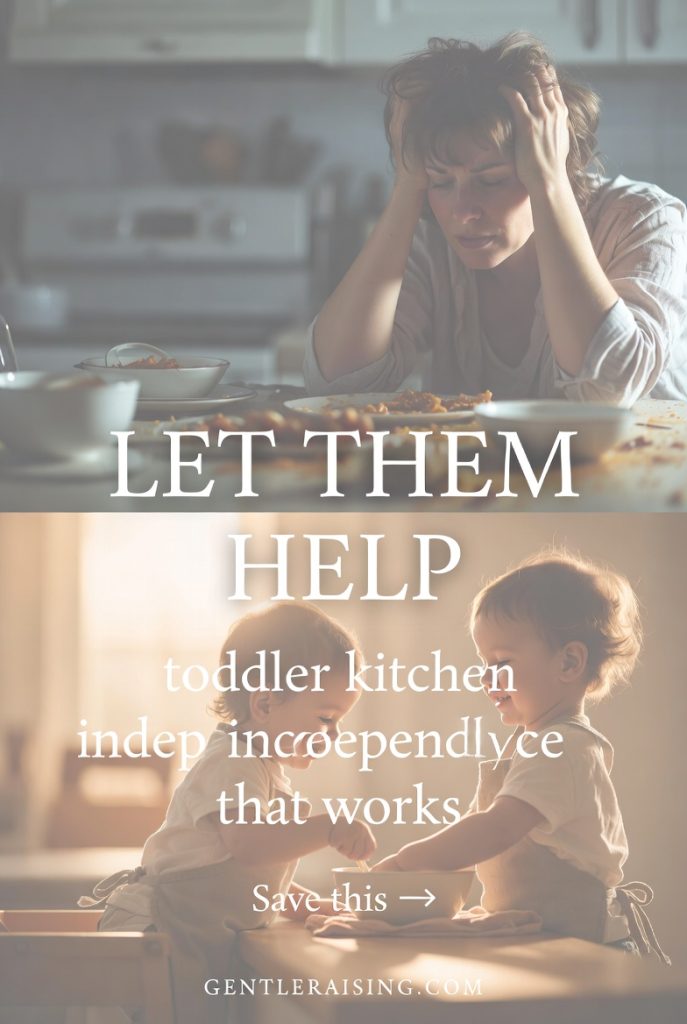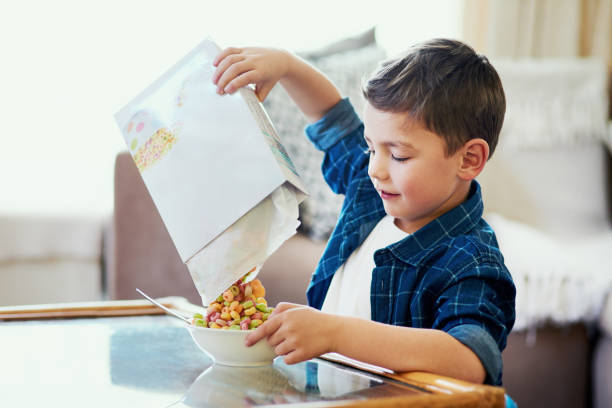
(Yes, it’s messy, but also kind of magical)
Let’s be honest for a second, letting a toddler “help” in the kitchen doesn’t feel efficient.
You’re trying to cook dinner. Time is tight. The onions are halfway chopped. And suddenly, a tiny human appears next to you, insisting on doing everything slowly and not quite correctly.
Your first instinct?
“This is going to take forever.”
And you’re not wrong.
But here’s the thing, kitchen independence isn’t about speed. It’s about something much bigger.
It’s about raising a child who feels capable.
So What Is Kitchen Independence, Really?
Kitchen independence for toddlers isn’t about turning them into mini chefs overnight. It’s about gradually involving them in real, meaningful tasks, washing vegetables, stirring batter, carrying utensils, and even cleaning up spills.
It’s practical life learning.
It’s also a mindset shift, from “Don’t touch that” to “Let me show you how.”
And yes, it’s rooted in Montessori principles. But honestly, you don’t need a fancy label to see the value.
You just need a little patience and maybe a towel nearby.
Why This Matters More Than You Think
You might think this is just about cooking skills. It’s not.
Kitchen independence touches multiple areas of development at once:
- Fine motor skills (peeling, pouring, scooping)
- Cognitive development (sequencing, problem-solving)
- Confidence (I can do this!)
- Language skills (naming ingredients, following steps)
- Emotional regulation (learning patience, handling mistakes)
And here’s the quiet bonus:
Kids who participate in food prep are more likely to actually eat what they make.
Yes, even the vegetables.
“Is My Toddler Ready?” (Probably, Yes)
You don’t need to wait for a specific age. Instead, look for signals:
- They insist on helping (“Me do it!”)
- They imitate what you’re doing
- They can follow simple instructions
- They show curiosity about food
If you’re seeing even one of these signs, you’re good to start. Just keep expectations realistic.
A toddler’s version of “help” won’t look like yours.
And that’s okay.
Let’s Talk Setup (Because Environment Matters)
Here’s where many parents get stuck.
They think they need a Pinterest-perfect Montessori kitchen.
You don’t.
You just need accessibility.
Simple tweaks that make a big difference:
- A stable stool or learning tower so your child can reach the counter
- Low drawers or baskets with safe utensils
- Small pitchers for pouring water
- Child-sized tools (more on that later)
You know what? Even something as simple as moving a bowl to a lower shelf can change everything.
When children can access things themselves, they naturally take initiative.
Safety, Without Turning It Into Fear
Let me say this clearly: independence doesn’t mean zero supervision.
But it also doesn’t mean constant “no’s.”
Instead of:
- “Don’t touch that!”
- “That’s dangerous!”
Try:
- “Let me show you how to hold this.”
- “We use this slowly.”
You’re not removing risk, you’re teaching how to manage it.
And that’s a skill they’ll carry for life.
What Can Toddlers Actually Do?
More than you think.
Ages 12–18 Months:
- Wash fruits and vegetables
- Transfer food between bowls
- Stir (expect spills, it’s part of the process)
Ages 18–24 Months:
- Pour water (messy at first, gets better quickly)
- Tear leafy greens
- Help wipe surfaces
Ages 2–3 Years:
- Spread butter or soft foods
- Scoop ingredients
- Peel bananas or boiled eggs
Ages 3–4 Years:
- Use a child-safe knife
- Crack eggs (with guidance)
- Help assemble simple meals
It’s not about perfection, it’s about participation.
Real-Life Toddler Kitchen Activities (That Actually Work)
Let me paint a picture.
You’re making breakfast. Instead of rushing through it, you pause, just a little, and invite your child in.
- They pour oats into a bowl (some land on the counter, fine)
- They stir milk (slowly… very slowly)
- They sprinkle fruit on top
It’s not efficient.
But it’s meaningful.
Other simple activities:
- Making a fruit salad
- Mixing pancake batter
- Assembling sandwiches
- Washing rice in a bowl
You don’t need special recipes. Just involve them in what you’re already doing.
The Messy Truth (Let’s Not Sugarcoat It)
There will be spills.
There will be sticky counters.
There will be moments when you think, “Why did I allow this?”
That’s normal.
But here’s the reframe: mess is feedback.
It tells you your child is learning.
And over time, this is the part most parents miss: the mess decreases.
Skills improve. Movements get precise. Confidence grows.
Common Mistakes (We’ve All Been There)
1. Expecting Too Much Too Soon
A toddler won’t follow multi-step instructions. Keep it simple.
2. Taking Over Too Quickly
It’s tempting. You want to “fix” it. But pause. Let them try.
3. Only Allowing Help When It’s Convenient
Independence needs consistency, not just “when you have time.”
4. Focusing Too Much on Cleanliness
Yes, hygiene matters, but perfection doesn’t.
“I Do It Myself!” Now What?
This phase can feel… intense.
They want control. You want efficiency.
Here’s the middle ground:
- Offer controlled choices:
“Do you want to stir or pour?” - Break tasks into manageable steps.
- Accept that sometimes… it will take longer
Because independence isn’t taught in a rush.
A Small Cultural Note (Because Food Is Personal)
Kitchen habits vary across cultures.
In many homes, especially across Africa, Asia, and parts of Europe, children naturally grow up helping in the kitchen. It’s not seen as “extra.” It’s just part of daily life.
And maybe that’s the perspective shift we need.
This isn’t an activity.
It’s life.
Tools That Actually Help (Not Just Trendy Stuff)
You don’t need everything, but a few items make a big difference:
- A sturdy learning tower
- Child-safe knives (they really do work)
- Small mixing bowls
- Lightweight pitchers
- Non-slip mats
Brands like IKEA, Melissa & Doug, and even local kitchen stores often have affordable options.
But honestly? Start with what you already have.
Building Consistency Without Pressure
Here’s where it all comes together.
You don’t need to involve your toddler in every single meal.
Start small:
- One task a day
- One meal a week
- One moment of “yes” instead of “not now”
Consistency beats intensity.
A Slight Contradiction (That Makes Sense Later)
You might feel like letting your toddler help slows you down.
And it does, at first.
But over time?
It actually saves you effort.
Because now you have a child who:
- Can fetch items
- Can assist with simple prep
- Feels responsible
So yes, it’s slower now, faster later.
Final Thoughts: Raising Capable Little Humans
Kitchen independence isn’t really about food.
It’s about trust.
It’s about saying, “I believe you can do this”, even when it’s messy, even when it’s slow, even when it tests your patience.
And you know what?
They rise to that belief.
Not instantly. Not perfectly.
But steadily.
One spilt cup at a time.