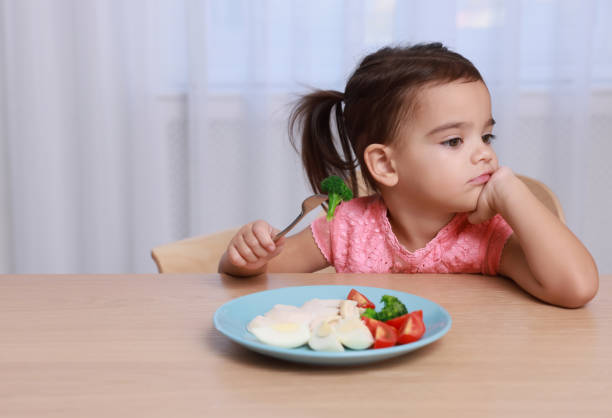
Let’s be honest for a second.
You didn’t imagine parenting would involve negotiating with a tiny human over three bites of rice while your tea goes cold.
And yet, here you are.
“Just one more spoon.”
“No.”
“Okay, two spoons?”
Cue the head turn. The tight-lipped silence. Maybe even a dramatic floor performance.
Mealtimes, something that should feel calm, nourishing, and even connecting, turn into a daily tug-of-war.
If this sounds familiar, you’re not alone. Not even close.
But here’s the part most parents don’t hear enough:
Your child isn’t trying to be difficult. And you’re not doing it wrong.
Let me explain.
Why Mealtime Battles Happen (It’s Not What You Think)
At first glance, it looks like defiance.
But underneath? It’s usually about control, development, and biology.
Toddlers (and even older kids) are wired to assert independence. It’s literally their job. Eating just happens to be one of the few areas where they can say “no” and mean it.
Think about it:
- You choose the food
- You choose the timing
- You choose the setting
So what’s left for them?
Whether to eat or not.
That tiny decision becomes their power lever.
And when we push harder (“just eat!”), They pull harder.
That’s how the cycle starts.
The Hidden Power Struggle (That Sneaks Up on You)
Here’s the tricky part: most mealtime battles don’t start as battles.
They build quietly.
You worry your child isn’t eating enough. So you encourage. Then you insist. Then maybe you bribe a little.
“Finish your food, and you’ll get dessert.”
It works once.
But over time, your child learns two things:
- Eating becomes a performance
- Pressure is part of the meal
And suddenly, food isn’t just food anymore.
It’s emotional. It’s loaded.
And kids feel that.
You know what? Even adults don’t enjoy eating when someone is watching every bite.
So What Actually Works?
Here’s the shift that changes everything:
You handle the “what, when, and where.”
Your child handles the “whether and how much.”
This idea comes from a well-known feeding approach called the Division of Responsibility. Sounds formal, but it’s surprisingly simple in practice.
Let’s break it down in real-life terms.
1. You Provide. They Decide
Your role:
- Offer balanced meals
- Serve at predictable times
- Create a calm environment
Their role:
- Eat or not eat
- Decide how much
That’s it.
No pressure. No chasing. No negotiating.
At first, this feels uncomfortable. Honestly, a bit risky.
“What if they eat nothing?”
Fair question.
But healthy children won’t starve themselves when food is consistently available. Their appetite may swing wildly (one day they eat everything, the next day almost nothing), but over time, it balances out.
2. Structure Beats Chaos (Every Time)
Kids thrive on predictability.
Not rigid schedules, but rhythm.
When meals and snacks happen at roughly the same times each day, kids learn:
“Oh, food will come again. I don’t have to panic or control everything right now.”
Try this:
- 3 main meals
- 2–3 snacks in between
- No grazing all day
Grazing sounds harmless, but it quietly kills appetite.
3. Make Peace With “No”
This one is hard.
Your child refuses dinner. Again.
Your instinct? Offer alternatives.
Toast. Yogurt. Something, anything.
But here’s the catch: when kids learn they can hold out for a preferred food, they will.
Instead:
- Serve at least one “safe food” (something they usually like)
- Let the rest be exposure
If they eat only the safe food? That’s okay.
If they eat nothing? Also okay.
The next meal is another opportunity.
4. Pressure Backfires (Even When It’s Gentle)
“Just try one bite.”
Sounds harmless, right?
But repeated over time, it becomes pressure.
And pressure does something subtle, it disconnects kids from their own hunger cues.
They stop asking:
“Am I hungry?”
And start asking:
“What does mom want me to do?”
That’s not a habit you want long-term.
5. Repetition Is Boring and Powerful
Here’s something most parents underestimate:
Kids need to see a food 10–15 times before accepting it.
Not taste. Just see.
So yes, serving broccoli again (and again) even when it’s ignored is not a waste.
It’s exposure.
One day, out of nowhere, they might try it.
And you’ll think, “Wait… what just happened?”
What You Might Need to Stop Doing (Gently, No Guilt)
Let’s be real. Some habits feel helpful, but actually fuel the battle.
- Cooking separate meals every time
- Turning meals into a performance (“look how good you’re eating!”)
- Using dessert as a reward
- Forcing “just one more bite”
- Feeding distractions (screens, toys, chasing around the house)
None of these makes you a bad parent.
They just make mealtimes harder over time.
A Small Shift That Changes Everything
Instead of saying:
“Eat your food.”
Try:
“The food is here if your body needs it.”
It’s subtle, but powerful.
It removes pressure while still setting a boundary.
Real-Life Moment (Because Theory Is Nice, But Life Is Messy)
Picture this:
Your toddler eats two bites of rice. Refuses everything else. Then asks for biscuits.
Old approach:
“Finish your food first.”
New approach:
“Biscuits aren’t on the menu right now. You can eat what’s here.”
Cue frustration. Maybe even tears.
Stay calm. Stay consistent.
Next meal? They might eat more.
Not because they were forced, but because they trust the structure.
What About Picky Eaters?
Ah, yes, the big one.
If your child eats only 3–5 foods, it feels stressful.
But picky eating is often a phase, not a fixed identity.
The same principles apply:
- Keep offering variety
- Include safe foods
- Avoid pressure
- Stay consistent
And here’s a gentle reminder:
Progress in feeding is measured in months, not meals.
The Emotional Side (That No One Talks About Enough)
Mealtime battles aren’t just about food.
They tap into deeper fears:
- “What if my child isn’t growing well?”
- “What if I’m failing as a parent?”
- “Why is this so hard?”
Those feelings are valid.
But here’s something grounding:
Your job is not to control intake.
Your job is to create a safe, structured space for eating.
That’s what builds lifelong healthy habits.
When Things Start to Improve (Because They Will)
You might not notice it immediately.
But slowly:
- The tension eases
- Meals feel quieter
- Your child explores food (even if just a little)
It’s not perfect.
But it’s peaceful.
And honestly? That’s a huge win.
Quick Recap (Because We Covered a Lot)
- Mealtime battles are usually about control, not behaviour
- Structure matters more than persuasion
- Kids decide how much to eat
- Pressure backfires (even when it’s subtle)
- Repetition builds familiarity
- Consistency beats perfection
Final Thought
Here’s the thing.
You don’t need to win mealtime.
You just need to show up, calm, consistent, and a little bit patient.
Some days will still feel messy.
That’s normal.
But over time, those small, steady choices? They add up.
And one day, you’ll sit at the table, watch your child eat without a battle, and think, “Wow… that used to be so hard.”