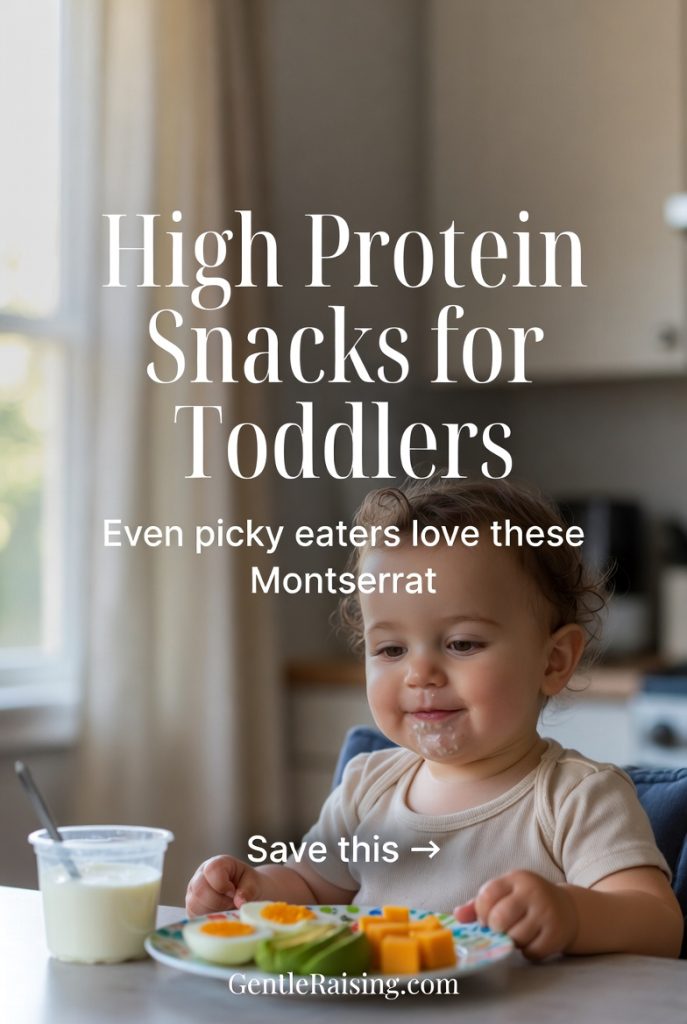
Let’s be honest for a second, feeding toddlers can feel like negotiating with a very tiny, very stubborn CEO.
One day they love eggs. The next day? Eggs are apparently offensive.
And somewhere in the middle of all that unpredictability, you’re trying to make sure they’re getting enough protein, the nutrient that quietly does a lot of heavy lifting for growth, muscle development, and even steady energy.
It’s a lot.
But here’s the good news: protein doesn’t have to come from complicated meals or Pinterest-perfect plates. Sometimes, it’s the small snacks, the quick bites between meals, that make the biggest difference.
Let’s break it down in a way that actually feels doable.
So, How Much Protein Do Toddlers Need?
Here’s the thing: toddlers don’t need massive amounts of protein. It’s not like feeding a bodybuilder.
Most toddlers (ages 1–3) need around 13 grams of protein per day.
That’s it.
To put that into perspective:
- 1 egg = ~6 grams
- 1 cup of milk = ~8 grams
- 2 tablespoons of peanut butter = ~7 grams
You see where this is going? A few well-chosen snacks can easily cover most of that requirement.
Which is why snacks matter more than we sometimes realise.
Why Protein Snacks Matter More Than You Think
You know those mid-morning meltdowns? Or that sudden crankiness at 4 PM?
Sometimes it’s not just “toddler behaviour.” Sometimes it’s blood sugar doing gymnastics.
Protein helps:
- Keep energy stable
- Reduce sudden hunger spikes
- Support growth and brain development
- Keep them fuller (so fewer random snack demands every 10 minutes)
In simple terms, protein helps smooth out the chaos. Not eliminate it (let’s stay realistic), but definitely soften it.
What Makes a Good High-Protein Snack?
Not every “kid snack” on the shelf is doing your toddler any favours.
A solid protein snack should be:
- Simple (because time is limited)
- Soft or easy to chew (important for safety)
- Balanced (protein + a little fat or carbs works best)
- Low in added sugar
And honestly? If your toddler actually eats it, that’s already a win.
High-Protein Snacks for Toddlers (Real-Life Friendly)
Let’s get into the good part.
No-Cook, Zero-Effort Snacks
These are your survival tools, the ones you reach for when you’re tired, busy, or just not in the mood.
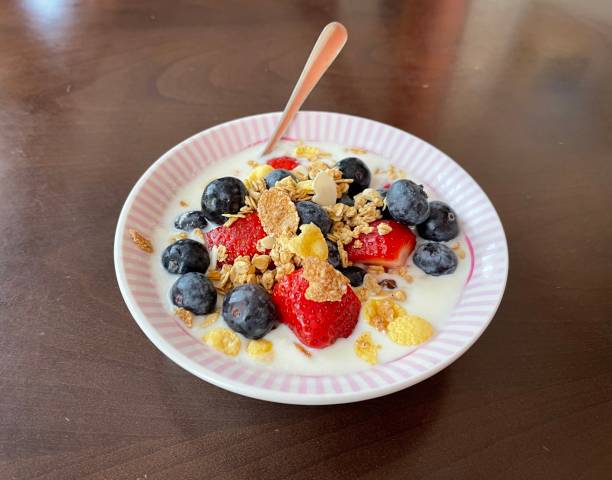
- Greek yoghurt (plain or lightly sweetened with fruit)
- Cottage cheese with mashed banana
- Peanut butter on soft bread or crackers
- Cheese slices or cubes
- Hummus with soft veggie sticks (like cucumber or steamed carrots)
- Milk or fortified plant milk
- Boiled eggs (prep ahead = lifesaver)
- Nut butter + apple slices (thinly sliced for safety)
You know what? These alone can carry you through most days.
Quick-Prep Snacks (5–10 Minutes Max)
When you’ve got a bit more energy, maybe during nap time, you can level things up slightly.
- Scrambled eggs with cheese
- Mini omelettes (add spinach or tomatoes if they’ll tolerate it)
- Toast with mashed avocado + egg
- Quesadilla with cheese and beans
- Tuna mixed with a little yoghurt on toast
- Pancakes made with eggs and oats
These are the “feels like you tried” snacks… without actually trying that hard.
On-the-Go Protein Snacks
Because life doesn’t pause, and toddlers definitely don’t.
- Cheese sticks
- Yogurt pouches
- Hard-boiled eggs (yes, they travel well)
- Roasted chickpeas (for older toddlers)
- Peanut butter sandwiches cut into small squares
- Homemade oat balls with peanut butter
If you’ve ever had a toddler meltdown in public, you already know that having snacks ready is not optional.
Warm, Comfort Snacks (Especially for Evenings)
Sometimes toddlers just want something warm. Honestly, same.
- Lentil soup (soft and easy to eat)
- Beans mashed with a little butter or oil
- Mac and cheese with added protein (like milk or eggs)
- Soft tofu cubes sautéed lightly
- Chicken pieces shredded finely
These feel like mini meals, and that’s okay.
Let’s Talk About Picky Eaters (Because… Of Course)
If your toddler refuses everything you offer, you’re not alone.
Actually, that’s more normal than not.
Here’s what tends to help:
1. Keep offering, even if they refuse
It can take 10+ exposures before a child accepts a food.
2. Pair new foods with safe favourites
A little familiarity goes a long way.
3. Don’t pressure seriously
Pressure often backfires. Toddlers love control.
4. Change the format
Eggs rejected? Try pancakes. Yoghurt refused? Blend it into a smoothie.
It’s less about forcing food and more about quietly experimenting.
Common Mistakes (That Are Easy to Fix)
Let me say this gently because every parent does this at some point.
Relying too much on packaged snacks
They’re convenient, yes. But often low in protein and high in sugar.
Overthinking protein intake
Remember, you don’t need huge amounts.
Serving portions that are too big
Toddlers eat small amounts. That’s normal.
Giving up too quickly on a food
Rejection doesn’t mean dislike; it often just means “not yet.”
A Realistic Day of Protein Snacks
Let’s make this practical.
Morning Snack:
Greek yoghurt + banana
Afternoon Snack:
Cheese + crackers
Evening Snack (if needed):
Boiled egg or peanut butter toast
That alone already hits (or comes very close to) daily protein needs.
No complicated planning required.
Safety Notes (Quick but Important)
A few things worth keeping in mind:
- Cut foods into small, manageable pieces
- Avoid whole nuts (choking hazard)
- Watch for allergies (especially dairy, eggs, peanuts)
- Always supervise during eating
It’s the kind of stuff you already know, but it helps to hear it again.
Final Thoughts: Keep It Simple, Keep It Flexible
Here’s the truth: There’s no perfect snack plan.
Some days, your toddler will eat everything. Other days, they’ll survive on three bites and a strong opinion.
And that’s okay.
What matters is consistency over time, not perfection in a single day.
Protein doesn’t have to be complicated. It doesn’t need fancy recipes or expensive ingredients.
Sometimes it’s just:
- A boiled egg
- A spoon of yoghurt
- A piece of cheese
Small things. Repeated often.
And somehow, those small things add up.