Quick, fuss-free, toddler-approved because nobody has time to preheat the oven at 3 p.m.
Let’s be honest for a second. You’ve got a toddler who is simultaneously adorable and completely unreasonable, a sink full of dishes you haven’t touched since this morning, a phone buzzing on the counter, and a tiny human tugging at your leg, saying in that very specific whine, ‘I’m huuuungry.’ Sound familiar? Yeah.
We’ve all been there.
Here’s the thing, though: feeding toddlers doesn’t have to involve a stove, a steamer, or some elaborate recipe you bookmarked at 11 p.m. on Pinterest and never actually made. Some of the best, most nutritious snacks for toddlers require zero cooking, minimal prep, and, honestly, very little cleanup. And when you’re running on your third cup of coffee and surviving on willpower alone, that matters.
This guide is for every parent who has ever stared into the fridge at snack time and panicked. We’re covering no-cook snack ideas that are actually nourishing (not just crackers and vague hope), organising them by prep time, texture, and age-appropriateness, and throwing in a few real-talk tips along the way. Let’s get into it.
Why No-Cook Snacks Are Actually a Parenting Win
There’s a weird guilt thing that happens when you hand your toddler a piece of banana instead of something you spent 40 minutes preparing. Like, somehow not cooking = not trying. Let’s dismantle that right now.
Toddlers, typically ages 1 to 3, have tiny stomachs that empty fast. They need to eat every 2 to 3 hours, which means you’re fielding snack requests roughly five to six times a day. If every single one of those required the stove, you’d never sit down.
Pediatric dietitians often remind parents that whole, minimally processed foods are ideal for toddlers and a huge number of those foods are best served raw anyway. Fresh fruit. Vegetables. Dairy. Legumes. These things don’t need heat to be nutritious. They need to be cut appropriately, served safely, and if we’re lucky, consumed without being flung across the room.
Also worth mentioning? The cognitive load of parenting is real. Decision fatigue is real. Having a mental (or actual, written) list of go-to no-cook snacks takes one more thing off your plate, figuratively and literally.
The Building Blocks: What a Good Toddler Snack Actually Needs
Before we get to the actual food ideas, here’s a quick framework that’ll help you put snacks together quickly without second-guessing yourself every time.
A solid toddler snack hits at least two of these three categories: protein, healthy fat, or complex carbohydrate. Protein and fat keep them fuller longer and support brain development. Complex carbs like those in fruit, whole grain crackers, or legumes give them steady energy without the spike-and-crash that comes from refined sugar. You don’t need every snack to be a perfectly balanced meal. But if you’re reaching for something, aiming for two out of three is a decent rule of thumb.
Texture also matters more than people realise. Toddlers go through phases where they reject certain textures entirely. Crunchy is fine one week, then suddenly unacceptable the next. Having options across the soft, crunchy, and creamy spectrum means you’re never completely stuck.
And then there’s fun. I know that sounds trivial, but toddlers are more likely to eat something that feels interesting to them, something they can dip, assemble, or pick up with their fingers. Keep that in mind as we go through the list.
Fruit-Forward Snacks: Nature’s Fast Food
Fruit is basically the original no-cook snack. It’s sweet enough to feel like a treat, comes pre-packaged by nature, and is loaded with vitamins, fibre, and natural sugars that fuel little bodies without the crash of processed sugar. Here’s how to get more mileage out of it.
Banana Slices with Nut Butter
If there’s a more universally accepted toddler snack combination, I haven’t found it yet. Slice half a banana into coins, add a small side of peanut butter, almond butter, or sunflower seed butter (for nut-free households), and you’ve got protein, healthy fat, and natural carbohydrate in under two minutes. The dipping element makes it interactive toddlers love that. Just watch the portion on the nut butter; a little goes a long way at this age.
Berry Skewers (Yes, Really)
Take a few strawberries, blueberries, and grapes halved, always halved for toddlers under three and thread them on a blunt kid-safe skewer or a reusable silicone pick. Something about eating food on a stick is endlessly delightful to toddlers. You’ve turned a bowl of fruit into an event. Takes 90 seconds. Worth it.
Frozen Mango Chunks
This one is underrated. Frozen mango straight from the bag (thawed slightly if your toddler is new to cold textures) is sweet, chewy, and soothing on teething gums. Brands like Dole and Trader Joe’s carry pre-cut frozen mango that’s genuinely good quality. A small bowl takes about three minutes to soften to a good texture. It’s hydrating, rich in vitamin C and beta-carotene, and most toddlers adore it.
One digression worth making here: the whole ‘no screen time’ debate aside, many parents find that snack time is a natural moment for a short, calm connection sitting together, naming the colours of the fruit, counting the pieces. It’s low-pressure engagement that doesn’t feel forced. Just a thought.
Dairy-Based Snacks: Creamy, Easy, and Protein-Packed
Dairy is one of the most convenient protein and fat sources for toddlers, and the no-cook options are genuinely endless. A quick note first: full-fat dairy is generally recommended for toddlers under two because of their specific developmental fat needs. After age two, you can transition to lower-fat options if your paediatrician recommends it.
Yoghurt Parfait in a Cup
Layer full-fat Greek yoghurt, Stonyfield Organic and Siggi’s are solid picks with a handful of berries and a sprinkle of granola. That’s a snack that looks like you tried, tastes great, takes four minutes, and packs protein, probiotics, and antioxidants. The granola adds crunch; the berries add colour and sweetness.
You can prep these the night before and keep them in the fridge for grab-and-go snacks the next day.
String Cheese and Cucumber Rounds
String cheese is one of those toddler snacks that never fails. It’s self-contained, the right texture, and pulling it apart is half the fun.
Pair it with sliced cucumber rounds, which add hydration and a mild crunch and you’ve got a snack that covers protein, fat, and vegetables without any cooking whatsoever.
Cottage Cheese with Peaches
This combination is quieter in the Instagram era than it deserves to be. Small-curd cottage cheese topped with diced fresh or canned-in-juice peaches (drain the juice first) is creamy, sweet, protein-rich, and genuinely delicious.
Toddlers who are comfortable with soft textures take to this quickly. Good Culture and Daisy are reliable cottage cheese brands with clean ingredient lists.
Veggie Snacks That Toddlers Will Actually Eat (No, Really)
Okay. I know. The phrase ‘toddler vegetables’ triggers collective parental eye-roll energy. We’ve all tried the perfectly arranged veggie plate that got one suspicious look and a firm ‘no.’ But here’s what actually works: vegetables paired with a dip, served in a novel format, or incorporated into something else entirely.
Hummus and Veggie Dippers
Hummus is arguably the busiest parent’s best friend. It’s high in protein and fibre, toddlers respond well to its smooth texture, and it makes almost any vegetable more appealing.
Serve it with soft-cooked-but-actually-raw options like thin-cut bell pepper strips, cucumber coins, or snap peas. Store-bought hummus, like Sabra or Hope, is totally fine, just check the sodium content and go for the classic or plain flavours for younger toddlers. A small ramekin of hummus and a handful of colourful vegetables takes two minutes to prepare and looks genuinely inviting.
Avocado Smash on Whole Grain Crackers
Half an avocado, mashed lightly with a fork, spread on whole grain crackers, something like Triscuits or Simple Mills Seed Flour Crackers, and you have a snack that is rich in healthy fats, easy on tiny digestive systems, and satisfying enough to bridge the gap before dinner.
A tiny pinch of sea salt and a squeeze of lemon if your toddler tolerates mild flavours. That’s it. Two minutes, start to finish.
Cherry Tomatoes (Quartered) with Soft Cheese
Cherry tomatoes are small, sweet, and visually appealing to toddlers, but they are a choking hazard if served whole for children under three. Always quarter them. Pair with a soft fresh cheese like BabyBel, ricotta served in a small bowl, or even cream cheese as a dip.
The sweet-savoury combination works surprisingly well, and the bright red against the white cheese is visually engaging enough that curious toddlers often want to try it.
Protein Snacks That Go Beyond Dairy
Dairy doesn’t work for every family, whether because of allergies, intolerances, or dietary choices, and even families who do eat dairy need variety.
Here are protein-forward no-cook options that don’t rely on milk products.
Edamame (Pre-Shelled and Salted Lightly)
Frozen edamame that’s been thawed or lightly steamed (okay, technically that’s heat, but you can buy pre-cooked, shelf-stable edamame now; Seapoint Farms makes a good one) is one of the most nutrient-dense snacks you can offer a toddler. It’s high in protein, iron, and folate.
The finger-food format makes it independently eatables for toddlers who are working on their pincer grasp. Lightly salted is fine for toddlers over one year.
Rolled Deli Turkey with Cream Cheese
Take a slice of low-sodium deli turkey. Applegate Farms is a cleaner option than most. Spread a thin layer of cream cheese or hummus on it, and roll it up. You can slice it into bite-sized pinwheels or hand it over as a full roll. It’s high in protein, easy to handle, and feels a little fancy without requiring any actual effort.
The key is going for lower-sodium options; toddlers don’t need added salt, and most deli meats are heavily salted by default.
Chickpeas Canned, Rinsed, and Ready
Open a can of chickpeas, rinse them thoroughly, and serve them as-is. I know that sounds almost insultingly simple, but toddlers in the 18-month-to-3-year range who are comfortable with firmer textures genuinely enjoy them as a finger food.
They’re high in plant-based protein and fibre, and they have just enough chewiness to be interesting. You can toss them with a small amount of olive oil and a pinch of cumin if your toddler tolerates spices. No cooking required, canned chickpeas are fully cooked already.
The Toddler Snack Board: Your Secret Weapon
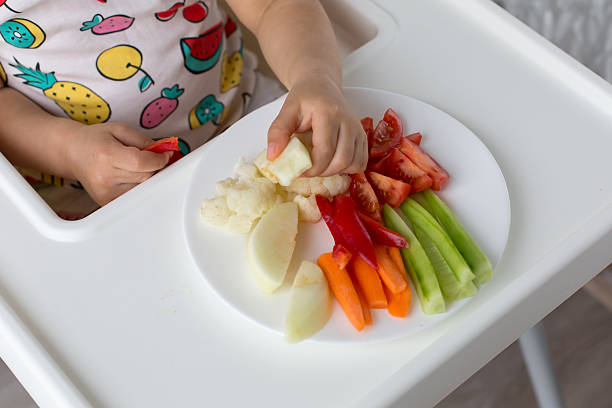
You’ve probably seen the adult charcuterie board trend. Well, it has a toddler equivalent, and it works surprisingly well. A toddler snack board is essentially a small plate or board with five to seven small portions of different foods, a few crackers, some fruit, a bit of cheese, a veggie or two, and a small dip. You’re not cooking anything. You’re curating.
Why does it work? A few reasons. First, it removes the pressure of ‘you have to eat this specific thing’ — instead, there’s variety, and toddlers feel some control over what they pick up first. Second, it looks fun. Colour contrast, different shapes and textures it’s visually stimulating for little ones who eat with their eyes before they eat with their mouths. Third, and this is the practical parent benefit, you can batch-prep the components at the start of the week and assemble boards in three minutes whenever snack time hits.
A typical toddler board might include: half a sliced banana, four quartered strawberries, five or six blueberries, a few whole-grain crackers, two cubes of cheese, a small ramekin of hummus, and three or four cucumber rounds. That’s five food groups touched, zero cooking, and a snack your toddler might actually be excited about.
Safety First: Choking Hazards and Age-Appropriate Prep
This section isn’t meant to scare you, it’s just genuinely important. Choking is the leading cause of injury among children under four, and many common toddler foods require specific preparation to be safe. Here’s a quick reference:
- Grapes: Always halve or quarter for children under 3.
- Cherry tomatoes: Quarter them; their round shape and slippery skin make whole ones a hazard.
- Whole nuts and large nut pieces: Avoid for children under 4. Nut butters spread thinly are fine.
- Raw carrots: Too hard for young toddlers. Serve grated or in very thin coins once softer veggies are introduced first.
- Popcorn: Not recommended for children under 4 due to choking risk.
- Large blueberries: Halve them for toddlers 12–18 months; whole is fine once chewing is established.
The cutting style matters as much as the size. For most round foods, cutting into quarters or thin half-moon slices is safer than halving, as halved round foods can still create a seal in the airway. And always, always supervise toddlers during snack time. Even the safest food in the wrong position can become a problem.
A note on allergens: the latest guidance from the American Academy of Paediatrics actually recommends introducing common allergens, peanuts, tree nuts, eggs, dairy, and fish early and repeatedly in the first year, unless your child has been flagged as high-risk by a paediatrician.
Early introduction significantly reduces allergy risk. If you’ve been avoiding these foods out of caution, it’s worth having a conversation with your child’s doctor.
The Batch Prep Mindset: Work Smarter, Not More
If you’ve ever stood in the kitchen at snack time, slicing fruit one piece at a time while your toddler narrates the entire thing very loudly, you know there’s a better way. Batch prepping snack components once or twice a week is genuinely one of the highest-leverage things you can do for your sanity.
Spend 20 minutes on a Sunday (or whenever you have a brief window) doing this: wash and dry a full punnet of grapes, quarter them, and store them in an airtight container. Wash and hull strawberries, halve them, and refrigerate. Cube a block of cheese. Portion hummus into four or five small containers.
Wash and slice bell peppers into thin strips. You’ve just pre-staged five to seven days of snack components. Every snack that week takes 90 seconds to assemble instead of five minutes. That adds up.
For storage, OXO Good Grips or Sistema containers work well for portioned snacks. A divided bento-style container like the ones from Bentgo or WeeSprout can hold an entire assembled snack board worth of food and go straight from fridge to table. Less washing, less thinking.
One thing I’ll say, and this is more parenting philosophy than practical tip, the goal here isn’t perfection. Your toddler doesn’t need Instagram-worthy snack boards every day. Some days it’s literally crackers and a handful of blueberries, and that is fine. The point of having these ideas and systems is that on the hard days, you have options that don’t require standing over a stove when you’re already running on empty.
Snacks on the Go: No Refrigeration Needed
Life with a toddler happens everywhere in the car, at the park, in the paediatrician’s waiting room, and at grandma’s house. Not all snacks travel well. Here are no-cook options that hold up without refrigeration, assuming a reasonable window of time (within a few hours):
- Pouches: Brands like Plum Organics and Happy Baby make fruit and vegetable pouches with no added sugar that are genuinely convenient for travel. They’re not a substitute for whole foods, but they’re a solid backup.
- Rice cakes: Thin, lightly salted rice cakes, Lundberg and Quaker Lightly Salted both work well and are easy to pack and less messy than crackers.
- Raisins and dried fruit (for toddlers over 18 months): Small boxes of raisins are portable, sweet, and provide iron and fibre. Just watch portion size; dried fruit is more sugar-concentrated than fresh, and the stickiness can be tough on emerging teeth.
- Freeze-dried fruit: Brands like Crispy Green and Brothers-All-Natural offer freeze-dried apple, mango, and banana slices that are shelf-stable, light, and have no added sugar. The texture is novel enough that many toddlers find it interesting.
- Nut butter packets: Justin’s makes single-serve almond and peanut butter packets that pair well with crackers or fruit slices. No refrigeration needed, easy to toss in a diaper bag.
For the bag itself, a small insulated snack pouch — like the ones from Pottery Barn Kids or PackIt keeps things cooler longer if you’re heading somewhere without fridge access. Worth having one permanently stocked in your diaper bag or car.
When They Refuse Everything: A Brief Pep Talk
Here’s the scenario every parent knows: you’ve prepared something. It looks good. It smells good. Your toddler looks at it like you’ve personally offended them and says no.
Toddler food refusal is extraordinarily common and, developmentally, pretty normal. Between ages one and three, many children go through phases of what pediatric feeding therapists call ‘neophobia’, a fear of or resistance to new foods.
This is thought to be an evolutionary holdover from when new foods could actually be dangerous. Which is interesting, but not particularly helpful when you’re standing in the kitchen at 4 p.m.
A few things that actually help: Repeated, low-pressure exposure matters more than you might think. Research from the journal Appetite and similar feeding studies suggests it can take 10 to 15 exposures to a new food before a toddler accepts it, not tries it, just accepts it being on the plate. So keep offering without forcing. Serve new foods alongside accepted ones.
Let them see you eat it. Involve them in preparing it (yes, even just washing fruit or handing you things counts as involvement).
Also, and this is important, hunger timing matters. Toddlers who are offered snacks too close to meals often refuse both. Aim for snack time roughly 90 minutes to two hours after the last meal or the next meal, so they’re genuinely hungry enough to engage. It makes a bigger difference than most parents expect.
You’re doing fine. It really is as hard as it feels sometimes, and also, this phase passes. Every parent of a school-age kid will tell you that the thing their toddler once refused is now their favourite food. That’s cold comfort at 4 p.m. on a Tuesday, I know. But still.
Your Quick-Reference Snack List (Save This)
For easy reference, here’s a consolidated list of everything we’ve covered, organised by main ingredient category.
These are all no-cook, require minimal prep, and are appropriate for toddlers 12 months and up (with age-appropriate cutting as noted above).
Fruit-Based
- Banana slices with nut butter
- Halved grapes with cheese cubes
- Berry skewers (blunt picks, halved berries)
- Frozen mango chunks (thawed slightly)
- Apple slices with peanut butter
- Melon chunks (soft varieties like cantaloupe or honeydew)
Dairy-Based
- Greek yoghurt with berries and granola
- String cheese with cucumber rounds
- Cottage cheese with peaches
- BabyBel cheese with crackers
- Ricotta on whole grain toast (if eating solids well)
Vegetable-Forward
- Hummus with bell pepper strips and cucumber
- Avocado mash on whole-grain crackers
- Quartered cherry tomatoes with soft cheese
- Snap peas with hummus or cream cheese dip
Protein-Packed
- Shelled edamame (pre-cooked)
- Turkey roll-ups with cream cheese or hummus
- Rinsed chickpeas with olive oil and mild spices
- Hard-boiled eggs (pre-made, stored in fridge)
Grab-and-Go (No Refrigeration)
- Fruit and veggie pouches (Plum Organics, Happy Baby)
- Lightly salted rice cakes
- Freeze-dried fruit (no sugar added)
- Raisins or dried apricots (small amounts, 18 months+)
- Single-serve nut butter packets with crackers
The Bottom Line
Feeding a toddler is one of those things that’s simultaneously simple and maddening. They need fuel constantly, have opinions about everything, and will reject a food they loved yesterday for no discernible reason. That’s just the reality.
But here’s what this list is meant to show you: nourishing your toddler well doesn’t require elaborate cooking.
It requires having the right things on hand, a bit of prep on calmer days, and the knowledge that a bowl of yoghurt with berries, or banana coins with peanut butter, or a small plate of hummus and crackers, is a complete and genuinely good snack. Not a compromise. Not a shortcut. A good choice.
Stock your fridge and pantry with the staples from this guide. Keep a few grab-and-go options in the diaper bag. Batch prep on Sundays when you can. And on the days none of that happens, and it’s crackers and cheese in front of the window, watching the rain, that’s okay too.
You’re feeding them. You’re showing up. That’s what matters most.