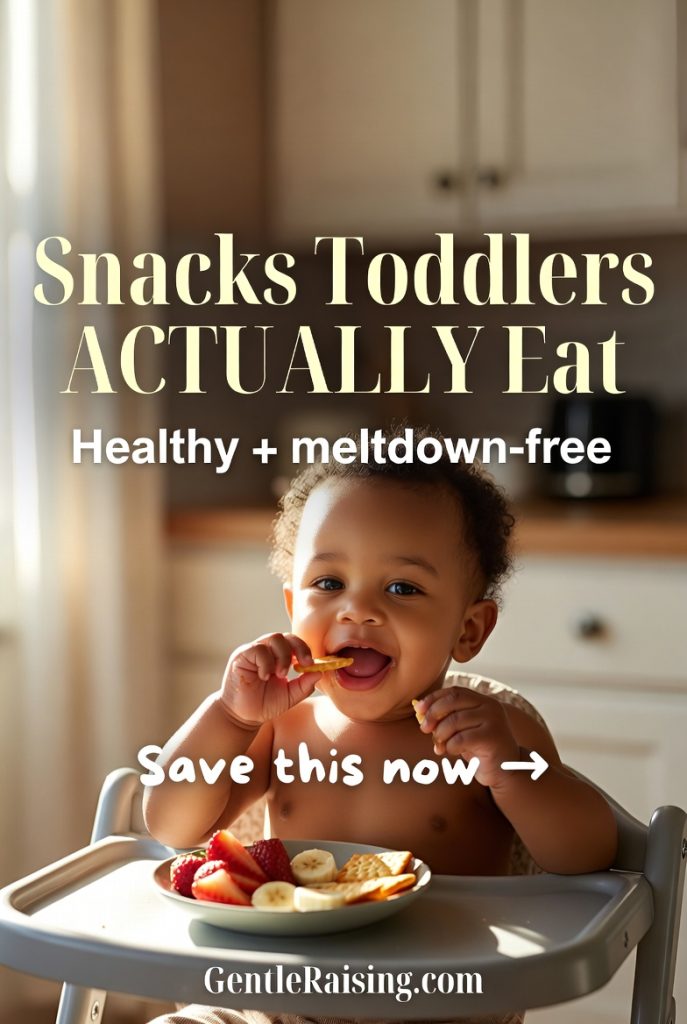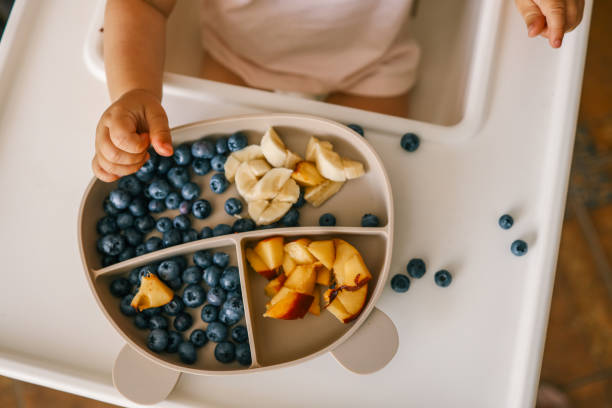
Let’s be honest, feeding a toddler is one part science, two parts negotiation, and a whole lot of hope. One day, they’re devouring banana slices like it’s the best thing they’ve ever tasted. The next? Total refusal. Same banana. Same child. Different Tuesday.
If you’ve ever stood in the kitchen at 3 pm, staring into the fridge, wondering what on earth to give your little one that’s both nutritious and won’t end up on the floor, this one’s for you. Snack time doesn’t have to be stressful. It doesn’t have to involve elaborate recipes or expensive superfoods. What it does need is a bit of variety, some basic nutritional awareness, and honestly, a touch of creativity.
This guide is packed with healthy toddler snack ideas that are fast to put together, easy on the budget, and most importantly, the kind of things real toddlers actually eat. We’ll also talk about why snacking matters so much at this stage, how to build good habits early, and a few things worth keeping in mind as your child grows.
Why Snacks Are Such a Big Deal at This Age
Toddlers have tiny stomachs. And when I say tiny, I mean it roughly the size of their little fist. That means three meals a day simply isn’t enough to keep up with the enormous amount of energy they’re burning. Between walking (and running, and climbing, and jumping off furniture), growing, and learning, your toddler needs fuel top-ups throughout the day.
Most nutrition experts recommend two to three snacks a day for children between one and three years old. These aren’t just filler; they’re mini-meals that contribute significantly to their overall nutrient intake. Iron, calcium, zinc, healthy fats, and a well-chosen snack can deliver all of these.
Here’s something parents don’t always realise: snack time is also a prime window for introducing new textures and flavours. Toddlers are notoriously suspicious of new foods at mealtimes. There’s pressure, there’s a full plate, there’s distraction. But a small, low-stakes snack? That’s your moment. Keep that in mind.
What Makes a Toddler Snack Actually “Healthy”?
Before we get to the actual ideas, it’s worth pausing on what we mean by “healthy.” Because the snack aisle at any supermarket is absolutely full of things marketed as healthy for kids, rice cakes with cartoon characters, fruit pouches with “no added sugar,” and colourful crackers with hidden vegetables. Not all of it is what it seems.
A genuinely good toddler snack tends to tick a few of these boxes:
- Whole food ingredients as close to their natural form as possible
- A source of energy (complex carbs or healthy fats) to keep them going
- Some protein to support growth and keep them fuller for longer
- Low in added sugar and artificial additives
- Appropriate texture and size to avoid choking hazards
Notice that “zero calories” or “fat-free” is nowhere on that list. Toddlers need fat. It’s critical for brain development, particularly in those first three years. Don’t be afraid of avocado, full-fat cheese, or a little nut butter within reason and age-appropriateness, of course.
The Easiest Healthy Snack Ideas (No Cooking Required)
Let’s start with the ones that take under five minutes, because life with a toddler doesn’t exactly leave you swimming in spare time.
Fruit + Protein Combos
Fruit on its own is lovely, but pairing it with a protein source is a game-changer for keeping hunger at bay. Think sliced banana with a small dollop of full-fat Greek yoghurt, apple wedges with a thin spread of almond butter (for toddlers over 12 months without nut allergies), or mango chunks alongside a cube or two of mild cheddar. The sweetness of the fruit makes the whole thing feel like a treat, but there’s actual nutritional substance behind it.
Cheese and Crackers (the classic for a reason)
It’s a snack staple for good reason. Cheese provides calcium, protein, and fat, all things toddlers genuinely need. Pair with whole grain crackers (look for ones with minimal ingredients, oat cakes, rye crispbreads, or a simple rice cracker works well) and you’ve got a balanced little snack in under two minutes. Babybel wheels are particularly popular in this age group; that waxy red coat is practically a toddler rite of passage.
Hummus and Veggie Dippers
Hummus is one of those brilliant toddler foods, creamy enough for dipping, rich in protein and iron from the chickpeas, and endlessly versatile. Cut cucumber, soft-cooked broccoli florets, baby carrots (or cooked carrot sticks for younger toddlers), and strips of red pepper into manageable pieces, and you’re done. Many toddlers who refuse vegetables at dinner will happily eat them at snack time if there’s something to dip them into. Don’t ask why. Just use it.
Hard-Boiled Eggs
Batch-cook a few hard-boiled eggs at the start of the week and keep them in the fridge. They’re incredibly nutrient-dense, good fats, protein, choline for brain development, and vitamin D. Slice or quarter them for easy eating. A lot of toddlers love the yolk, especially. Sprinkle a tiny bit of salt if needed for flavour, though go easy, toddlers under 12 months shouldn’t have added salt at all, and over that age, keep it minimal.
Avocado on Toast (or just avocado)
Smashed avocado on a small piece of wholemeal toast is a properly nourishing snack. The healthy monounsaturated fats in avocado are brilliant for brain development, and most toddlers take to the creamy texture readily. If toast feels too much, just give them avocado slices or chunks. Some children prefer handling it as finger food rather than scooping it off toast. Either way, it works.
Simple Snacks That Need Just a Little Prep
For the days when you have ten or fifteen minutes, maybe while your toddler is napping or watching something, these snacks are worth the tiny bit of effort.
Mini Oat Pancakes
These are a firm favourite in many households and genuinely take about ten minutes. Blend rolled oats, a ripe banana, and one egg; that’s the batter. Fry small spoonfuls in a non-stick pan. The result is a soft, naturally sweet little pancake that’s got oats for fibre, egg for protein, and banana for potassium and natural sweetness. No added sugar needed. Make a big batch and refrigerate for up to three days.
Sweet Potato Wedges (Baked)
Cut sweet potato into thick wedges, toss in a little olive oil, and bake at around 200°C (400°F) for about 25 minutes until soft and slightly caramelised. These freeze beautifully, so bake a large batch when you have the oven on anyway. Sweet potato is rich in beta-carotene, vitamin C, and fibre, and the natural sweetness makes it a genuine toddler crowd-pleaser. They’re also soft enough that choking is less of a concern than with harder vegetables.
Homemade Energy Balls
These sound fancy but really aren’t. Mix rolled oats with a binding agent (mashed banana, nut butter, or a little honey for children over 12 months), add some extras like raisins, shredded coconut, or a spoonful of cocoa powder, roll into small balls, and refrigerate. They take about fifteen minutes to make and keep for a week in the fridge. The texture is soft enough for toddlers, and they’re genuinely nutritious, with complex carbs, fat, fibre, and a little natural sugar.
Cucumber and Cream Cheese Rounds
Slice a cucumber into rounds, and spread a small amount of cream cheese on each one. That’s genuinely it. It looks a little fancy, feels fun to eat, and has a nice balance of hydration (cucumber is mostly water), fat, and mild protein from the cream cheese. For extra fibre, swap in a slice of cucumber on a mini wholegrain cracker instead.
Dairy Snacks That Deserve More Credit
Dairy often gets overlooked in the snack conversation, but for toddlers, it’s one of the most efficient sources of calcium, iodine, and protein. Here are a few easy ways to bring it in beyond the usual cheese cube.
Full-fat Greek yoghurt with a swirl of fruit purée is a simple, five-second snack. You can buy good-quality yoghurt pouches for on-the-go, but make sure to check the label; many children’s yoghurt products have more added sugar than you’d expect. The Yeo Valley and Rachel’s Organic ranges tend to have cleaner ingredient lists in the UK, though it’s always worth comparing.
Cottage cheese is surprisingly popular with toddlers, especially if you mix in a little mashed fruit or serve it alongside soft bread fingers. It’s mild in flavour, high in protein, and has a texture many toddlers enjoy. You can also freeze yoghurt with fruit in small moulds for a cool, teething-friendly snack, particularly useful during warmer months or when little teeth are causing discomfort.
Snacks When You’re Out and About
Real life with a toddler involves a lot of being in places that are not your kitchen. Parks, playgroups, car journeys, shopping trips and all of them have that one moment where the hunger hits and you need something immediately.
The trick with portable toddler snacks is to pack them in advance rather than grabbing something on the fly (which almost always means something overly processed and salty). A small insulated lunchbox or snack pot with a secure lid makes a huge difference. Good portable options include: grapes (halved, always a choking hazard if left whole), dry cereal like Cheerios or puffed wheat, sliced mild cheese, strips of soft pitta, or small pieces of banana.
Pre-packaged snacks do have a place; they’re just worth choosing carefully. Look for ones with a short, recognisable ingredient list. Organix and Ella’s Kitchen are reasonably well-regarded in the UK for their toddler snack ranges. Kiddylicious also makes some decent options. But they shouldn’t be the default; they’re more of an emergency backup.
The Texture Thing: Why It Matters More Than You Think
Here’s something that often flies under the radar in snack advice: texture is just as important as flavour for toddlers. Some children are highly sensitive to texture and will reject foods that are too mushy, too lumpy, or too crunchy, not because they’re being difficult, but because their sensory processing is still developing.
Pay attention to what your child reaches for and what they consistently avoid. If they always reject soft foods, offer more variety in crunch. If they hate anything crispy, lean towards smoother options. The goal isn’t to cater exclusively to their preferences; introducing different textures is part of the process, but understanding where they are right now helps you work with them, not against them.
Also, presentation genuinely matters. A few apple slices arranged in a fan shape are not more nutritious than a pile of apple slices. But they might get eaten when the pile wouldn’t. Toddlers respond to visual interest. Small portions, bright colours, and a bit of arrangement can make a real difference, especially during the inevitable fussy phase.
A Word on Sugar (Without Being Preachy About It)
There’s a lot of fear around sugar in children’s diets, and while the concern is legitimate, it’s also worth having some perspective. Natural sugars found in whole fruit, dairy, and vegetables behave differently in the body from the refined sugar added to biscuits, sweets, and fruit juice. Fruit is not the enemy. A banana is not a chocolate biscuit.
That said, the NHS and most paediatric nutrition guidelines do recommend limiting free sugars (those added to food and drinks, or naturally present in fruit juices and syrups) to as little as possible before age two, and no more than around 19 grams a day for children aged two to three. That’s not a huge amount; it’s roughly equivalent to five teaspoons. One small carton of orange juice and a couple of sweetened rice cakes can get you surprisingly close.
The practical takeaway? Offer whole fruit rather than juice. Limit the “toddler snack” products that lean heavily on fruit concentrates. And don’t panic about the occasional treat food anxiety in children is a real thing, and it often starts with overly rigid parental attitudes around certain foods.
Involving Your Toddler: It Actually Helps
You know what? One of the most underrated strategies for getting toddlers to eat well is letting them be part of the process. Not in a chaotic, flour-everywhere way (though that has its own charm). Even small acts of involvement, choosing between two options, washing the fruit, tearing the bread, stirring the yoghurt, give toddlers a sense of ownership over their food.
Research in feeding behaviour consistently shows that children are more likely to try to eat foods they’ve had some hand in preparing. It also builds familiarity. A child who has handled raw broccoli florets while you cooked is less suspicious of them on the plate. Start small.
Ask, “Do you want the banana or the pear?” instead of just putting something in front of them. It sounds simple because it is simple, but it makes a difference.
Timing: When to Offer Snacks (and When to Hold Off)
Snack timing is one of those things that seems trivial but actually shapes appetite and mealtimes quite significantly. Offering a snack thirty minutes before dinner is a near-guarantee that dinner gets refused because your toddler is full. Equally, waiting too long between meals means you’re dealing with a meltdown, not a child who’ll sit calmly and eat.
A rough rhythm that works for many families: breakfast, mid-morning snack about two hours after, lunch, mid-afternoon snack, dinner.
That’s roughly two to three hours between eating occasions, which aligns with a toddler’s natural hunger cycle. It also means you’re not constantly responding to random “I’m hungry” requests; there’s a structure, and over time, your child’s body adjusts to it.
One small but important note: avoid using snacks as rewards or to manage emotions. It’s tempting, a biscuit does stop a meltdown in its tracks, and sometimes you’re just trying to get through the supermarket. But relying on food as comfort or reward can establish a complicated relationship with eating that’s hard to unpick later. Easier said than done, I know. But worth keeping in mind.
A Few More Snack Ideas to Keep in the Rotation
Because variety is genuinely important both nutritionally and for palate development, here’s a broader list to draw from when you’re stuck:
- Sliced strawberries with a small pot of ricotta
- Soft-cooked edamame beans (a brilliant source of plant protein)
- Wholegrain toast fingers with mashed avocado and a few cherry tomato halves
- Soft pear slices with mild cheddar
- A small bowl of lentil soup or dal (great for iron, especially important for children not eating much red meat)
- Mini corn on the cob (cooked and cooled) is surprisingly popular as finger food)
- Plain popcorn (for children over three, not suitable before that age due to choking risk)
- A small smoothie made with full-fat milk, banana, and a handful of spinach
- Sliced grapes, blueberries, and kiwi with a spoonful of full-fat natural yoghurt
- Fingers of soft pitta bread with a small pot of tzatziki
Rotate through these throughout the week. The goal isn’t to hit every single nutritional box every day; it’s to build a broad and varied diet over time. Some days will be better than others. That’s parenthood.
The Bigger Picture: It’s Not About Perfect Snacks
There’s a particular kind of parenting pressure that feeds the sense that every meal and snack needs to be optimised, Instagram-worthy, and nutritionally complete. It doesn’t. And chasing that ideal often creates more stress than it resolves.
What actually matters over the long run is a positive relationship with food. Toddlers who grow up in relaxed, varied food environments where eating is enjoyable, new things are offered without pressure, and refusal is met with calm rather than anxiety tend to be the most adventurous eaters as they get older. That’s the prize. Not a perfect snack record.
So the next time you’re standing in the kitchen at 3 pm, wondering what to reach for, grab the banana, slice the cheese, halve the grapes, and swipe some hummus into a little pot. Five minutes. Done. And give yourself credit for showing up, because that part? That’s actually the most important ingredient.
If you found this useful, consider bookmarking it for one of those evenings when inspiration runs dry. And if your toddler spits out every single suggestion on this list, welcome to the club. Keep offering. It usually comes around.