Why This Conversation Feels So Big (Especially When You’re Tired)
If you’re a new mom or dad, chances are you’ve already asked yourself:
“Am I being too soft?”
“Am I being too strict?”
“Is this going to mess them up?”
Discipline is one of those loaded words. It carries childhood memories, cultural expectations, family pressure, and, if we’re being real, a whole lot of guilt.
Some of us were raised with spanking. Some with time-outs. Some with yelling. Some with silence. And now here we are, holding this tiny human, wondering what’s actually healthy.
The conversation around discipline has shifted a lot in recent years, thanks in part to research and thought leaders like Dr Jane Nelsen and Dr Daniel J. Siegel. But while the language has changed, “gentle parenting,” “positive discipline,” “emotion coaching”, the core question hasn’t:
How do we teach our children responsibility without harming our relationship with them?
That’s where the difference between punishment and natural consequences becomes powerful.
First, Let’s Define Punishment (Without Sugarcoating It)
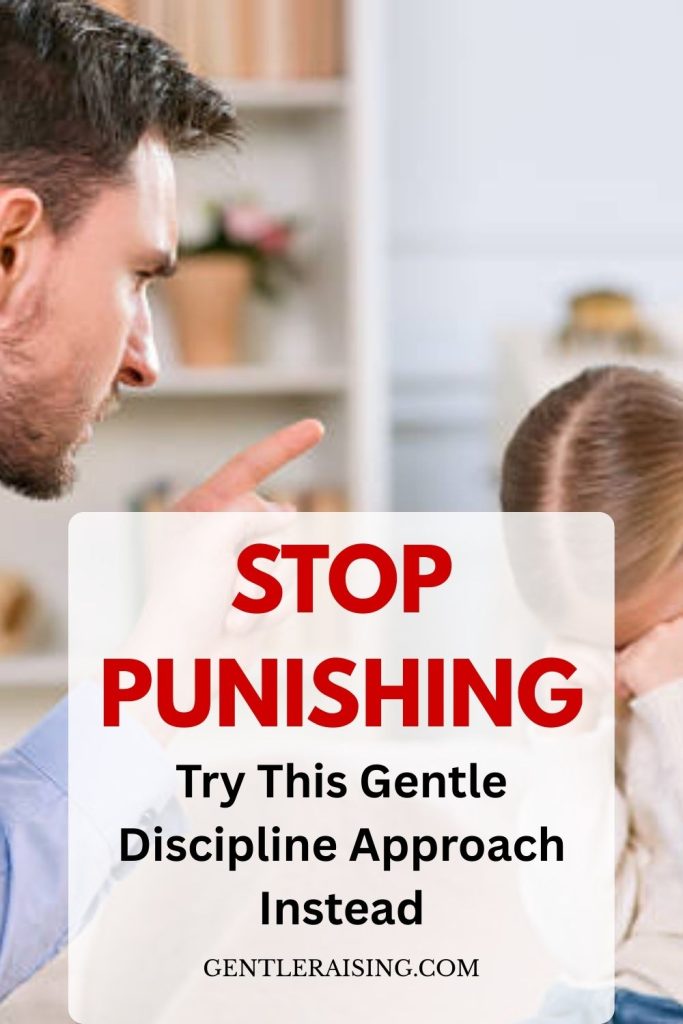
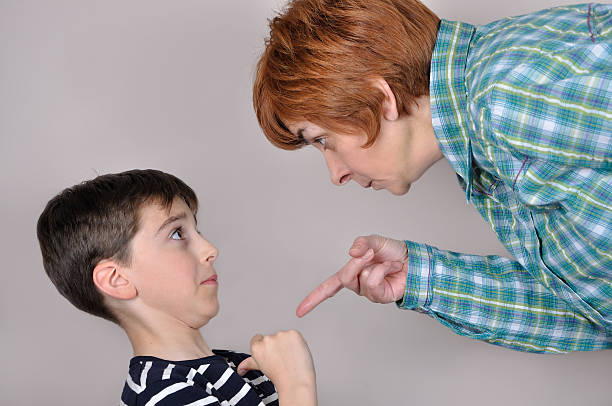
Punishment is when a parent imposes a negative outcome after a child misbehaves.
Examples:
- “You hit your brother? Go to your room.”
- “You didn’t clean your toys? No TV tonight.”
- “You talked back? I’m taking your tablet.”
Punishment is adult-controlled. It’s imposed. It often carries emotional heat.
Now, I’m not here to shame anyone. Most of us default to punishment because it feels efficient. It gives us control. And sometimes, let’s admit it, it gives us relief.
But here’s the tension: punishment teaches children to avoid consequences, not necessarily to understand them.
It can stop behaviour quickly. But it doesn’t always build internal responsibility.
So What Are Natural Consequences, Really?
Natural consequences happen without parental interference.
They are the direct result of a child’s action.
Examples:
- A child refuses to wear a coat → They feel cold.
- A child throws a toy → The toy breaks.
- A child doesn’t eat dinner → They feel hungry later.
You didn’t create the consequence. Life did.
And that difference matters.
Because when children connect behaviour to outcome without feeling shamed or attacked, the lesson sticks differently. It’s not about fear. It’s about cause and effect.
But Wait, Isn’t That Just “Letting Kids Do Whatever”?
No. And this is where parents get confused.
Natural consequences are not permissive parenting. They don’t mean:
- No rules
- No guidance
- No boundaries
They mean the learning happens through reality rather than an imposed penalty.
That said, and this is important, natural consequences only work when the consequence is safe.
You don’t let a child run into the street to “learn.” Safety overrides philosophy. Always.
The Brain Science (Simple, I Promise)
When a child is punished harshly, their nervous system activates. Fight, flight, or freeze kicks in.
In that state, learning shuts down.
Research from Harvard University’s Centre on the Developing Child shows that high stress reduces a child’s capacity to process reasoning.
So when we yell, threaten, or shame, the brain is busy surviving, not reflecting.
Natural consequences, when delivered calmly, don’t activate the same fear response. They allow the child to experience disappointment without humiliation.
And disappointment? That’s tolerable. That’s educational.
Everyday Examples (Because Theory Is Nice, But Reality Is Loud)
Let’s walk through actual parenting moments.
1. The Toddler Who Throws Food
Punishment:
“You’re done! No dessert!”
Natural consequence:
“You’re throwing food. That tells me you’re finished.”
Meal ends.
Notice the shift? You’re not punishing. You’re responding to what their behaviour communicates.
The message becomes:
Throwing food = meal ends.
Not:
Mom gets angry when I explore gravity.
2. The Preschooler Who Refuses to Put Toys Away
Punishment:
“No park tomorrow!”
Natural consequence:
“Toys left out can get lost or stepped on. If they’re not cleaned up, we’ll put them away for a few days.”
That’s technically a logical consequence, a close cousin of natural consequences. It’s related directly to the behaviour.
And that distinction matters. Logical consequences are parent-guided but connected to the action.
They feel fair.
3. The School-Age Child Who Forgets Homework
Punishment:
“You’re grounded.”
Natural consequence:
They face their teacher without homework.
You can empathise:
“That feels uncomfortable, huh?”
You resist rescuing.
That’s hard. Especially for moms who want to fix everything.
But discomfort teaches accountability in a way that grounding doesn’t.
“But What If They Don’t Care?”
Ah. The question every parent whispers.
Sometimes kids seem unfazed by consequences.
Here’s the thing: growth isn’t always immediate.
You might not see the lesson sink in right away. But repetition builds pattern recognition.
Still, if a child truly doesn’t care, it often signals something deeper:
- They feel disconnected
- They’re overwhelmed
- They lack skills, not motivation
As Dr Ross Greene says, “Kids do well if they can.”
That phrase shifts everything.
Instead of asking, “How do I punish this?”
You ask, “What skill is missing?”
Emotional regulation?
Impulse control?
Time management?
That’s where guidance replaces control.
When Natural Consequences Don’t Work
Let’s be honest. They don’t always apply.
Some behaviours have delayed consequences.
If a teen stays up all night gaming, the natural consequence might be exhaustion. That works—sometimes.
But what if they compensate with caffeine and repeat the pattern?
This is where collaborative problem-solving enters.
You sit down. Calmly. Maybe not immediately after the conflict.
You say:
“I’ve noticed mornings are rough after late nights. What’s going on?”
This approach builds executive function. It teaches kids to reflect rather than react.
Safety Comes First (Always)
Natural consequences should never include:
- Physical harm
- Emotional humiliation
- Risk to life or health
You don’t let a toddler touch a hot stove to “learn.”
Instead, you block and say:
“I won’t let you touch that. It’s not safe.”
Sometimes protection is the lesson.
And yes, sometimes we step in before the consequence happens. That’s not failure. That’s parenting.
The Emotional Shift: From Control to Coaching
Punishment says:
“I control your behaviour.”
Natural consequences say:
“I guide you through life.”
That’s a big shift.
And it’s not always comfortable.
Because punishment gives immediate authority. Natural consequences require patience. And repetition. And sometimes biting your tongue.
Honestly? It feels slower.
But long-term, it builds internal discipline.
“Am I Being Too Soft?”
This fear shows up constantly.
Let me say this clearly:
Calm does not equal weak.
Firm does not equal harsh.
You can say:
“I won’t let you hit.”
Without yelling.
You can hold a boundary without a threat.
Authority doesn’t require intimidation.
And kids actually feel safer with consistent, calm leadership.
Cultural Pressure and Generational Differences
Many parents today are parenting differently from how they were raised.
That can feel lonely.
Grandparents might say:
“You turned out fine.”
But “fine” isn’t the same as emotionally secure.
We now understand more about child development than previous generations did. Books, podcasts, and research tools abound.
Even mainstream media conversations, from parenting influencers to segments on the American Academy of Paediatrics, emphasise connection-based discipline.
It’s not about being trendy.
It’s about long-term mental health.
Natural Consequences vs. Punishment: A Side-by-Side Snapshot
Punishment
- Adult-imposed
- Often unrelated
- Based on control
- Can trigger fear
- Short-term compliance
Natural/Logical Consequences
- Directly related
- Calmly delivered
- Based on cause and effect
- Encourage reflection
- Long-term responsibility
See the difference?
One manages behaviour.
The other teaches life skills.
Scripts You Can Use Tonight
Sometimes words fail us mid-conflict. Here are simple phrases:
- “I won’t let you hurt your sister.”
- “Looks like you chose not to wear boots. Your feet might get wet.”
- “Homework wasn’t turned in. That feels disappointing.”
- “When toys aren’t put away, they rest on the shelf for a while.”
Keep it simple. Keep it steady.
No lectures.
Kids tune out lectures fast, faster than a skipped ad on YouTube.
The Long Game (Because That’s What This Is)
We’re not raising obedient children.
We’re raising adults.
Adults who:
- Think critically
- Manage frustration
- Accept responsibility
- Feel safe with us
Punishment might win the moment.
Natural consequences win the relationship.
And when your child is 16, or 26, or calling you from college needing advice, you’ll be glad the foundation was built on trust, not fear.
A Gentle Reality Check
Will you still lose your temper sometimes?
Yes.
Will you accidentally punish instead of guide?
Probably.
Parenting is messy. Growth is layered. We all carry our own wiring into it.
The goal isn’t perfection.
It’s progress.
When you notice yourself reacting harshly, you can repair:
“I was frustrated earlier. I shouldn’t have yelled. Let’s try again.”
That repair teaches more than flawless discipline ever could.
Final Thoughts (From One Human to Another)
If you’re reading this at midnight, rocking a baby, googling “how to discipline without yelling,” I see you.
Discipline isn’t about power.
It’s about teaching.
Natural consequences aren’t magic. They don’t make tantrums vanish. They don’t create instant compliance.
But they do something quieter.
They build resilience.
They build self-awareness.
They build a connection.
And honestly? That’s the kind of strength that lasts.
Parenting isn’t about controlling the storm.
It’s about teaching your child how to stand in the rain.
And you’re already doing better than you think.