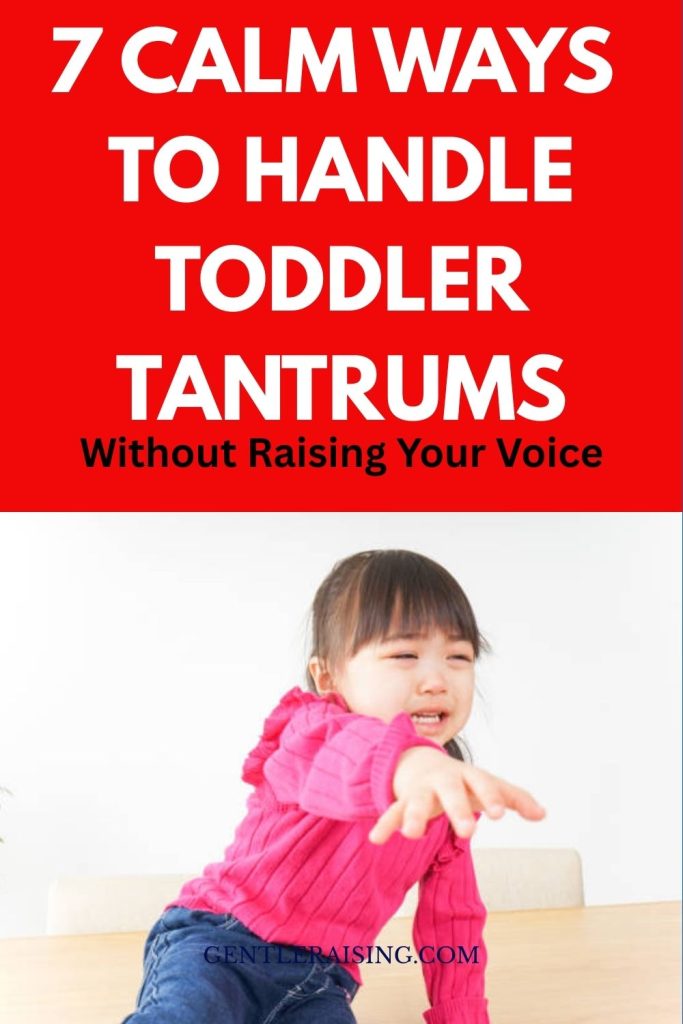
The moment every parent recognises
It usually starts small.
A snack cut the wrong way.
Shoes that suddenly feel impossible.
A cup, blue yesterday, unacceptable today.
Then the sound rises. Fast. Loud. Unstoppable.
If you’re a parent of a toddler, you’ve been here. Maybe this morning. Maybe ten minutes ago. And somewhere between the crying, the flailing, and the tiny human melting onto the floor, a thought slips in:
“I don’t want to yell… but I don’t know what else to do.”
Let’s pause there for a second. Because this matters.
You are not alone.
You are not a bad parent.
And tantrums? They’re not a sign you’re failing.
They’re actually a sign of something else entirely, something surprisingly normal.
Why toddlers have tantrums (and it’s not misbehaviour)
Here’s the thing: most parenting books don’t explain clearly enough:
Tantrums are a brain development issue, not a discipline issue.
A toddler’s brain is still under construction. The emotional centre, the amygdala, is loud and reactive. The calming, reasoning part, the prefrontal cortex, is barely online. Think of it like a car with a powerful engine and almost no brakes.
So when your child screams because the banana broke in half…
They’re not manipulating you.
They’re overwhelmed.
Honestly, adults struggle with big feelings too. We hide it better.
Common tantrum triggers include:
- Hunger or low blood sugar
- Tiredness or overstimulation
- Frustration from limited skills
- Sudden transitions
- Feeling powerless
None of those are solved by yelling.
And deep down, you probably know that already.
The hidden cost of yelling (that nobody talks about)
Yelling sometimes works.
Let’s be real.
A loud voice can stop behaviour in the moment. It grabs attention. It creates instant silence.
But short-term silence isn’t the same as long-term learning.
Research in child development consistently shows that frequent yelling can increase anxiety, aggression, and emotional shutdown in young children. Not overnight. Slowly. Quietly. Over time.
And there’s another cost, the one parents feel.
The guilt afterwards.
The promise to do better tomorrow.
The exhaustion of repeating the same cycle.
You deserve better than that loop.
And so does your child.
Calm first. Child second.
This part surprises people.
Stopping tantrums without yelling actually begins with you, not your toddler.
Because emotions are contagious.
Nervous systems sync.
A dysregulated adult cannot calm a dysregulated child.
It’s like trying to put out a fire while holding a lit match.
So the first step is simple, though not always easy:
Pause. Breathe. Slow your body down.
Even one deep breath changes your tone of voice.
And tone, more than words, is what toddlers respond to.
You’re not ignoring the behaviour.
You’re creating the conditions for calm.
What to do in the middle of a tantrum (a simple sequence that works)
When emotions explode, clarity helps.
So here’s a calm, realistic flow you can lean on, even on hard days.
1. Pause before reacting
Not forever. Just a moment.
Enough to stop the automatic yell.
A quiet inhale.
A slower exhale.
That’s it.
2. Get low and close
Kneel. Sit. Reduce physical distance.
To a toddler, towering adults feel threatening.
Eye-level feels safer.
And safety is the doorway to calm.
3. Name the feeling
This step is powerful and oddly gentle.
Try:
- “You’re really mad.”
- “That was frustrating.”
- “You didn’t want it to end.”
You’re not agreeing with the behaviour.
You’re showing understanding.
And feeling understood softens intensity, at any age.
4. Hold the boundary calmly
Empathy doesn’t mean giving in.
You can say:
“I won’t let you hit. I’m here to help you calm down.”
Notice the tone: steady, not sharp.
Firm, not loud.
Boundaries feel safer when they sound calm.
5. Offer a tiny choice
Control reduces tantrums. Even small control.
- “Do you want to walk or be carried?”
- “Blue cup or green cup?”
Two options. Both are acceptable to you.
Simple. Clear. Manageable.
6. Stay nearby until calm returns
This part takes patience.
But leaving a flooded toddler alone often makes things louder, not quieter.
Your calm presence is the anchor.
Even when it feels like nothing is changing.
And then, slowly, something does.
Breathing steadies.
Crying softens.
The storm passes.
It always passes.
The quiet power of prevention
You know what’s less dramatic than stopping tantrums?
Preventing them.
Not perfectly. Just often enough to matter.
Small daily rhythms make a huge difference:
- Predictable sleep times
- Regular snacks and meals
- Gentle warnings before transitions
- Unhurried connection time
Five minutes of focused play can prevent thirty minutes of chaos later.
It sounds almost too simple, but it works.
Connection is emotional fuel.
Without it, toddlers run on empty.
Public tantrums, the parenting pressure cooker
Ah yes. The grocery store meltdown.
Every parent’s unofficial initiation ceremony.
And suddenly it’s not just your child’s emotions,
it’s strangers’ looks, silent judgments, your racing heartbeat.
Here’s a quiet truth:
Most people aren’t judging you.
They’re remembering their own kids.
And the ones who are judging?
They don’t get a vote in your parenting.
Practical help in public moments:
- Keep your voice low; it reduces attention
- Move to a quieter space if possible
- Stay brief; long lectures don’t land mid-tantrum
- Focus on calming, not appearances
You’re raising a human, not performing for an audience.
When nothing works (because sometimes nothing works)
Let’s be honest again.
Some days, you’ll still yell.
Some tantrums will feel endless.
Some moments will break your patience wide open.
That doesn’t erase the good you’re doing.
What matters most isn’t perfection.
It’s a repair.
A simple “I’m sorry I yelled. I was frustrated. I love you.”
teaches more emotional skills than never making mistakes.
Children don’t need flawless parents.
They need real ones who come back and reconnect.
Teaching calm when there isn’t a tantrum
Emotional skills grow best in peaceful moments.
You can build them quietly through:
- Pretend play with feelings
- Simple breathing games
- Naming emotions in books
- Modelling calm when you’re upset
Toddlers learn by watching far more than by listening.
Your calm becomes their calm, eventually.
Slowly. But truly.
The long view most parents never hear
Gentle, calm discipline can feel invisible day to day.
No dramatic instant results.
No overnight transformation.
But zoom out a few years and something remarkable appears:
A child who trusts you.
Who shares feelings instead of hiding them.
Who learns to calm themselves because you showed them how.
That’s the real goal.
Not silence.
Emotional strength.
One last thing you might need to hear
If you’re reading this, you care.
Deeply.
You’re searching for better ways.
Quieter ways. Kinder ways.
And that alone says something important:
You are already the kind of parent your child needs.
Not perfect.
Not endlessly patient.
Just willing to keep trying.
And honestly?
That’s where real change begins.