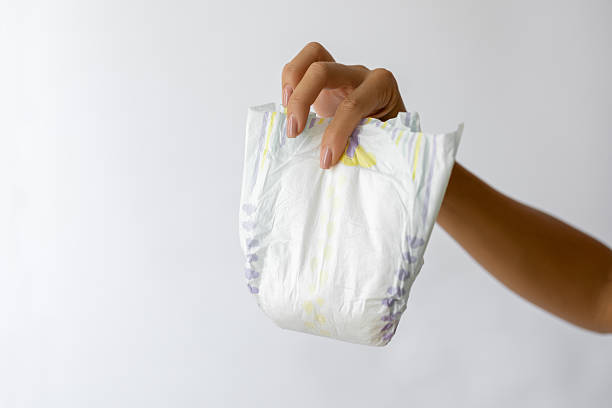
Why Baby Poop Suddenly Runs Your Life
Let’s be honest. Before having a baby, you probably didn’t spend much time thinking about poop. Maybe a passing joke. Maybe a gross-out moment. That was it.
Then a newborn arrives, and suddenly you’re inspecting diapers like a detective at a crime scene. Color. Texture. Frequency. Smell. You’re Googling phrases you never imagined typing. You’re texting photos (cropped, hopefully) to other parents. And you’re wondering, quietly or loudly, Is this normal?
You know what? That reaction makes complete sense.
Newborn and baby poop is one of the clearest, most immediate indicators of how your baby’s tiny digestive system is coping with life outside the womb. It’s not glamorous, but it’s informative. Sometimes reassuring. Sometimes confusing. Occasionally alarming.
So let’s talk about it. Calmly. Clearly. Without panic.
The Very First Poop: Meconium Has Entered the Chat
That thick, sticky, black-green substance in your newborn’s first diaper? That’s meconium. And yes, it looks alarming if you’ve never seen it before.
Meconium is made up of things your baby swallowed in the womb, amniotic fluid, skin cells, and mucus. It’s tar-like, stubborn, and clings to diapers like it has a personal vendetta.
Here’s the reassuring part: meconium is normal, expected, and temporary.
Most babies pass it within the first 24 hours after birth. Over the next few days, stools shift from black to dark green, then to yellow or brown as feeding ramps up and digestion wakes up.
Pro tip: Most parents learn the hard way: Apply diaper cream before meconium shows up. It saves cleanup time and your sanity.
Breastfed Baby Poop: A Mustard-Colored Mystery
If your baby is breastfed, their poop often looks… surprising. Loose. Yellow. Sometimes greenish. Frequently described as “seedy,” which sounds odd until you see it.
This is not diarrhoea. It’s normal.
Breast milk is highly digestible, so breastfed babies tend to poop often, sometimes after every feed. And the smell? Mild. Slightly sweet. Not offensive.
Here’s the thing: Breastfed baby poop changes a lot. One day it’s bright yellow. The next day it’s greener. Then back to yellow again. Growth spurts, changes in feeding frequency, and even minor variations in milk composition can affect stool appearance.
Honestly, consistency matters more than perfection. If your baby is feeding well, gaining weight, and seems comfortable, the diaper usually isn’t telling a scary story.
Formula-Fed Baby Poop: Different Fuel, Different Output
Formula-fed babies tend to have poop that’s thicker, darker, and smellier. This doesn’t mean something is wrong. The formula simply digests differently.
You’ll often see tan, brown, or yellow-brown stools with a peanut-butter-like consistency. Frequency may be lower than in breastfed babies, sometimes once a day, sometimes every other day.
Some parents worry about constipation here, and that concern isn’t unreasonable. Formula-fed babies are more prone to firmer stools. But firm doesn’t automatically mean constipated.
Constipation isn’t just about texture. It’s about discomfort. Straining hard. Crying. Passing hard, pellet-like stools. If those signs show up consistently, it’s worth discussing with a paediatrician.
A Colour Guide You Never Asked For (But Now Need)
Baby poop comes in a range of colours. Some are normal. Some deserve attention.
Common and usually normal:
- Yellow
- Mustard
- Brown
- Green (often linked to digestion speed or iron)
Less common, needs checking:
- Black (after meconium phase)
- Red (possible blood)
- White or grey (possible bile issue)
Green poop, by the way, causes a lot of unnecessary stress. It can happen during growth spurts, mild tummy upset, or when food moves quickly through the gut. On its own, green is rarely an emergency.
White or chalky stools, however, are not something to ignore. They can signal problems with digestion or liver function and should be evaluated promptly.
How Often Should a Baby Poop?
Here’s where things get messy, figuratively and literally.
Some newborns poop after every feed. Others go once every few days. Both can be normal.
In the first few weeks, frequent stools are common. Then patterns shift. Breastfed babies, especially, may suddenly go several days without pooping. This is called a “poop pause,” and it can be completely normal if stools remain soft.
Let me explain why this happens. Breast milk can be so efficiently absorbed that there’s very little waste left behind. Less waste means fewer diapers.
What matters most is not frequency alone but the overall picture: feeding well, wet diapers, comfortable baby.
That Smell Though… When Poop Odour Matters
Newborn poop usually doesn’t smell terrible. As babies grow, especially after starting solids, things change quickly. And dramatically.
A strong smell doesn’t automatically mean something is wrong. But a sudden, foul, sour, or unusually offensive odour, especially paired with diarrhoea or discomfort, can signal infection or food intolerance.
Teething often gets blamed for bad diapers, but the evidence is shaky. More often, changes in smell come from dietary shifts or gut development.
Trust your nose, but don’t panic over every whiff.
Constipation vs. Diarrhoea: The Most Common Mix-Up
Many parents assume loose stool equals diarrhoea. In babies, that’s often incorrect.
Diarrhoea is a sudden increase in watery stools, often with mucus or a bad smell, sometimes paired with fever or poor feeding. Loose, frequent stools that have always been loose are usually normal.
Constipation, on the other hand, is not just about how often a baby poops. It’s about effort and discomfort.
Signs that suggest constipation:
- Hard, dry stools
- Crying during bowel movements
- Distended belly
- Reduced appetite
Babies can grunt, strain, and turn red while pooping without being constipated. Their muscles are still learning how to coordinate. This is called infant dyschezia, and while it looks dramatic, it usually resolves on its own.
When Pooping Turns Into a Full-Body Workout
If your baby looks like they’re performing an Olympic-level effort just to poop, you’re not imagining it.
Babies don’t instinctively know how to relax their pelvic muscles while pushing. They figure it out over time. Until then, there may be grunting, crying, stiff legs, and red faces.
It’s stressful to watch. But if stools are soft, this is typically harmless.
Here’s the mild contradiction: yes, it looks uncomfortable, and no, it doesn’t mean something is wrong.
Red Flags That Deserve Medical Advice
Most poop concerns resolve on their own. Some don’t.
Call your paediatrician if you notice:
- Blood in the stool
- White or grey stools
- Persistent diarrhea
- Fever with stool changes
- Poor weight gain
- Signs of dehydration
Trust matters here. If something feels off, it’s okay to ask. Parents are often the first to sense when a pattern breaks.
Starting Solids: When Poop Gets Real
The first bite of banana or sweet potato changes everything. Texture thickens. Smell intensifies. Colours multiply.
Iron-rich foods can darken stools. Beets can cause red streaks that look alarming but aren’t blood. Corn often exits looking much like it entered. That’s digestion, being honest.
Expect trial and error. Introduce foods gradually. Watch reactions over time rather than reacting to one diaper.
Diapers Matter More Than You’d Think
Cloth diapers show everything. Disposable diapers absorb and mask. Parents using cloth often notice changes sooner, not because problems are more common, but because visibility is higher.
Neither option is better for health. Just different for observation.
The Emotional Weight of Watching Diapers
No one warns you how emotionally loaded baby poop can feel. It becomes a proxy for feeding success, parenting confidence, and overall well-being.
Comparison doesn’t help. Every baby has a different rhythm. What matters is learning your baby’s normal.
Honestly, that’s the real skill here.
Final Thoughts: You’ll Stop Obsessing Eventually (Mostly)
One day, you’ll realise you haven’t inspected a diaper in hours. Those days. Then weeks. That day comes quietly.
Until then, it’s okay to care. It’s okay to ask questions. And it’s okay to feel unsure sometimes.
Baby poop isn’t glamorous. But it’s honest. And once you understand it, it stops being scary and starts being just another part of parenting life.