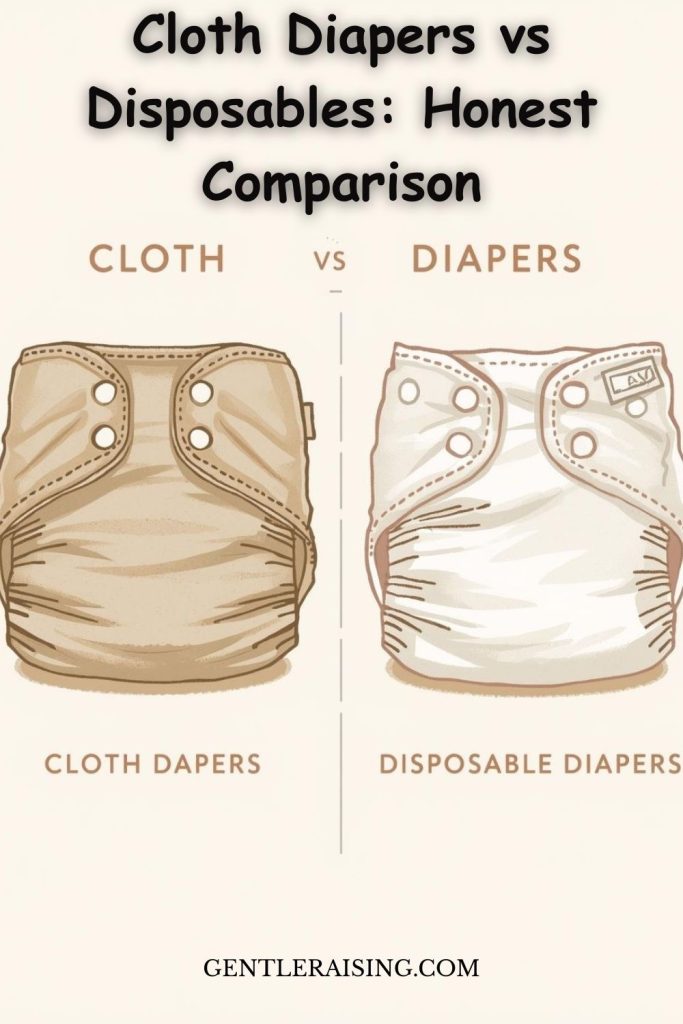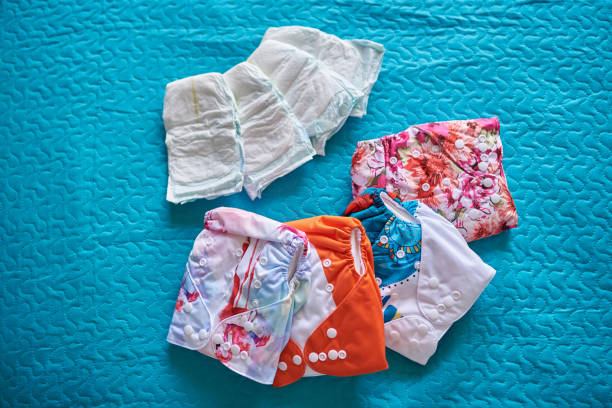
You know that moment when you’re standing in the baby aisle, staring at row upon row of diapers, and you think, “Wait… which one do I actually pick?” Yeah, that’s the Great Diaper Dilemma. It might feel like a small choice, but for new parents, it’s huge, affecting your baby’s comfort, your wallet, your schedule, and even the environment. So, cloth diapers or disposables?
Let’s break it down, honestly, without judgment, and with a little humour along the way.
Understanding the Basics
Before we get into pros, cons, and parental life hacks, it helps to know what we’re even talking about.
Cloth Diapers
Cloth diapers aren’t just grandma’s old rags; they’ve evolved. There are:
- Prefolds: classic rectangular cloth, folded and fastened with a snappy or pin.
- Fitted: shaped like modern diapers but still cloth, great for overnight.
- Pocket diapers: these have an inner pocket for absorbent inserts.
- All-in-one: the holy grail of cloth, fully absorbent and easy to use, like disposables but reusable.
Cloth diapers are often made from cotton, bamboo, or hemp. They’re soft, breathable, and come in an endless parade of colours and prints; honestly, they can be almost too cute.
Disposable Diapers
Disposables are the convenience kings. Brands like Pampers, Huggies, Honest Co., and a growing eco-conscious lineup use layered designs: an inner absorbent core, moisture-locking gel, and a soft top sheet for baby’s skin.
They’re designed to be ultra-absorbent, leak-resistant, and easy to throw away after a messy moment. No washing, no folding, just grab, snap, and go.
And yes, there’s history here. Cloth diapers have been around for centuries, but disposables really took off in the 1960s. Funny how a tiny piece of technology can make parents feel like superheroes, or sometimes like laundry robots.
Comfort and Baby Health
Let’s talk skin. Your baby’s bottom is delicate, and the wrong diaper can lead to unhappy nights and cranky mornings.
Cloth diapers: soft, breathable, and chemical-free, mostly. You avoid gels, dyes, and fragrances that can irritate sensitive skin. That said, cloth can sometimes hold moisture closer to the skin if you don’t change it often. Overnight leaks can happen, but modern inserts and fitted cloth styles do a surprisingly good job.
Disposable diapers: super absorbent, so babies often stay dry longer. But some parents notice rashes or irritation from fragrances or chemicals in the absorbent gel. Everyone’s baby is different; some tolerate disposables perfectly, while others need a gentler touch.
You know what’s funny? Some parents swear their baby sleeps better in cloth because it feels “real” against the skin, while others say disposables let them rest easier since they can go longer without changes. It’s a classic “different strokes for different folks” scenario.
Environmental Impact
Ah, the planet factor. This one can get a little heated.
- Cloth diapers: They’re reusable, but you do need water and energy to wash them. Cold water washes and line drying can reduce impact, and some parents swear by cloth diaper service companies to skip the laundry hassle.
- Disposable diapers: One baby can produce thousands of diapers in their first two years. Most end up in landfills, taking 200–500 years to decompose. Some brands are trying biodegradable options, but even “eco” disposables often fall short of cloth in sustainability.
Honestly, parents feel torn, wanting convenience but also guilt-free eco choices. It’s like eating chocolate cake while thinking of your cholesterol: you know the trade-offs.
Cost Comparison
Money talks. Let’s be real, diapers are a major expense.
- Cloth diapers: A starter kit can cost $200–$400, including covers, inserts, and accessories. But over two years, you might spend $400–$600 in total, much less than disposables. You’ll need detergent and maybe extra water, but in the long run, cloth can save hundreds.
- Disposable diapers: Around $70–$100 per month, depending on brand and baby size. Over two years, that can hit $1,500–$2,500. Ouch. And that’s not counting wipes or rash creams.
Hidden costs exist too, laundry machines work overtime with cloth, while disposables sneakily drain your wallet without you noticing.
Convenience Factor
Here’s the rub. Convenience often sways parents more than anything else.
Disposables: easy, fast, travel-friendly. Quick changes in the car, at grandma’s house, or at a restaurant. No washing, no folding, no planning.
Cloth: requires some logistics, washing, drying, and prepping. But parents who stick with it often swear by the satisfaction and the feeling of doing something eco-friendly. Nighttime changes? Cloth requires a little prep, but modern inserts can hold up surprisingly well.
There’s something almost ritualistic about cloth diaper laundry, folding, stacking, and prepping like a baby-care meditation. Strange, but true.
Style, Fit, and Fashion
Yes, diapers have style. Who knew?
Cloth diapers: patterns, prints, seasonal designs, you could coordinate your baby’s wardrobe down to the diaper. Some parents get serious about Instagram-worthy diaper setups.
Disposables: sleek, practical, sometimes with cartoon characters. Less fun visually, but high-tech absorbency and fit can be lifesavers during long drives or overnight trips.
Fashion aside, fit matters more than flair. A snug, leak-proof fit reduces mess and keeps everyone happier.
Safety Considerations
Safety isn’t just about absorbency; it’s about chemicals, leaks, and comfort.
- Cloth: generally chemical-free, breathable. But you need to watch fit and change frequency. Overstuffed inserts or loose covers can leak.
- Disposable: usually super absorbent, but some gels and fragrances can irritate sensitive babies. Overnight use can be safe with the right brand, but always monitor for redness.
Funny how parents debate diapers like it’s a life-or-death issue, but in reality, both can be safe if used correctly.
Mixed Approach. The Hybrid Strategy
Most parents don’t go “all in” with one type. Many use:
- Cloth at home, where washing is manageable.
- Disposables for travel, daycare, or overnight.
This hybrid method balances convenience and eco-consciousness, and it eases the pressure to “choose one forever.” Honestly, hybrid is the best-kept secret in parenting circles.
Practical Tips for Parents
Here are some tips that make diaper life smoother:
- Cloth Diapers:
- Invest in a diaper sprayer to pre-rinse solids.
- Use line drying for longevity.
- Rotate covers to extend life.
- Disposables:
- Stock up during sales.
- Try trial packs from different brands before committing.
- Keep wipes handy in every room; you’ll thank me later.
- Monitor your baby’s skin regularly, regardless of type. Sometimes, little tweaks make all the difference.
Common Myths Debunked
- “Cloth is old-fashioned.” Nope, modern cloth is high-tech, adjustable, and absorbent.
- “Disposables are bad for the environment.” Sort of, yes, landfill impact is real, but some brands are improving.
- “Cloth leaks more.” Only if poorly fitted or not changed enough.
- “Disposables cause rashes.” Only if the baby reacts to certain chemicals; many babies are fine.
The takeaway? Don’t believe the extremes. Both options have pros, cons, and nuances.
Final Thoughts. No One-Size-Fits-All
Here’s the truth: there’s no perfect diaper. Every baby, parent, and lifestyle is unique. Some families thrive with cloth, some swear by disposables, and many find peace in the hybrid approach.
The key? Experiment, observe your baby, and don’t beat yourself up over the choice. Your baby will be fine. You’ll survive. And in a couple of years, you might look back and laugh at the sheer number of diapers you’ve changed.
At the end of the day…well, not literally, because there are diapers to change.