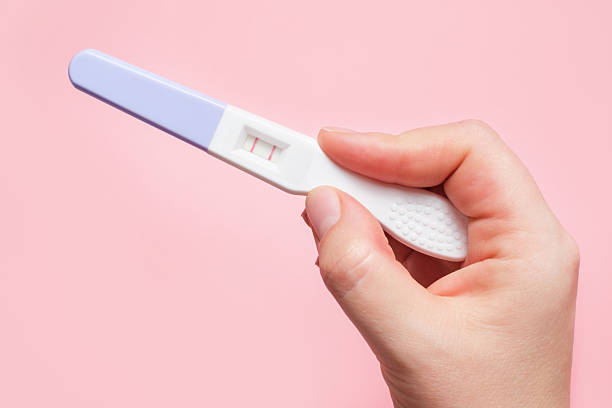
There’s a very particular kind of quiet that settles in when you start wondering if you might be pregnant. Not the peaceful kind, more like the pause between two thoughts. You notice your body differently. A twinge here. A feeling there. Suddenly, time slows down, and that little plastic test at the pharmacy feels heavier than it should.
So when should you take a pregnancy test? And how do you know if those early signs mean something… or nothing at all?
Let’s talk about it. Honestly. Without rushing. Without pretending the waiting isn’t emotional, because it is.
That First Flicker of “Could I Be Pregnant?”
For many parents, especially those who’ve been here before, the suspicion doesn’t start with a missed period. It starts earlier. A strange tiredness. Coffee tasting off. A sudden wave of irritation that feels louder than usual.
You might brush it off at first. Stress, maybe. Poor sleep. Life. But then it happens again. And again.
You know what? That’s usually when the question sneaks in.
And once it does, it doesn’t really leave.
How Pregnancy Tests Actually Work (Plain English Version)
Pregnancy tests don’t detect babies. They detect a hormone called hCG, human chorionic gonadotropin. That hormone only shows up after a fertilised egg implants into the uterus. No implantation, no hCG. Simple, but also maddening.
Here’s the part people don’t always realise:
Implantation doesn’t happen immediately.
It can take anywhere from 6 to 12 days after ovulation. Sometimes longer. That means testing too early can give you a very confident-looking negative that isn’t actually the final word.
Urine tests (the ones you buy at the store) need a certain level of hCG to turn positive. Blood tests can detect smaller amounts, but they’re usually done at a clinic, not at home in your bathroom while holding your breath.
So timing? It’s everything.
So… When Is the Right Time to Take a Pregnancy Test?
Let me explain this in real-life terms, not textbook language.
Before Your Missed Period: The Risky Guess
Yes, some tests advertise “6 days early.” And sometimes they’re right. But early testing is a bit like checking bread before it’s fully baked. You might catch it. Or you might not.
If you test before your missed period:
- You might get a positive
- You might get a false negative
- You will likely overthink it
Early positives do happen. Early negatives happen more.
The Day Your Period Is Late: The Sweet Spot
For most people, this is the best balance between accuracy and sanity.
By the first day of a missed period:
- hCG levels are usually high enough to detect
- Results are more reliable
- Emotional whiplash is slightly reduced
Slightly.
A Week After a Missed Period: Maximum Clarity
If you can wait this long, the results are rarely unclear. By now, your body has had time to speak up.
That said, waiting a full week can feel impossible. Especially if symptoms are loud or life decisions are hanging in the balance.
Early Signs That Push You Toward the Test
Pregnancy doesn’t announce itself the same way every time. But there are patterns, quiet ones, and not-so-quiet ones.
Physical Signs People Notice First
- Unusual fatigue (the bone-deep kind)
- Breast tenderness or heaviness
- Light cramping that feels different from PMS
- Frequent urination
- Mild nausea, even without vomiting
That tiredness? It’s not normal tired. It’s the kind where folding laundry feels like a project.
Emotional and Mental Shifts
This part gets overlooked, but it matters.
You might feel:
- More sensitive than usual
- Short-tempered for no clear reason
- Strangely calm, or oddly anxious
Hormones work fast. Faster than tests sometimes.
Subtle Clues You Might Second-Guess
- Changes in appetite
- Feeling warmer than usual
- A sudden dislike for familiar smells
- Trouble sleeping despite exhaustion
Individually, these mean nothing. Together? They start a conversation.
Why Early Tests Mess With Your Head
False negatives are incredibly common in early testing. Not because the test is bad, but because timing is off by just a day or two.
Then there are evaporation lines. Faint shadows. Lines you swear weren’t there five minutes ago.
Here’s the thing:
If you have to tilt the test, squint, and argue with yourself, don’t trust it.
Digital tests can reduce the guesswork, but they’re not more sensitive. Just clearer.
Morning, Night, or Whenever You Can’t Wait?
Most pregnancy tests recommend using first-morning urine. Why? Because it’s more concentrated. You haven’t diluted hCG with water, tea, or that one glass of juice you grabbed half-asleep.
That doesn’t mean you can’t test later in the day. It just means early tests work best when the urine is concentrated.
If you’re testing later:
- Avoid heavy fluids beforehand
- Be prepared to retest in a day or two
Honestly, retesting is common. Almost expected.
What Happens After a Positive Test?
Some people cry. Some freeze. Some laugh out loud in disbelief. All of that is normal.
You don’t need to do everything at once.
What usually comes next:
- Call a healthcare provider or midwife
- Schedule a confirmation appointment
- Start (or continue) prenatal vitamins with folic acid
You don’t need to have every answer today. Pregnancy is a long story. This is just the first page.
What If It’s Negative, But Your Body Says Otherwise?
Trusting a test is important. Trusting your body is too.
If your period still hasn’t arrived and symptoms continue:
- Retest in 48–72 hours
- Consider a blood test through a clinic
- Check for cycle irregularities or stress factors
Stress alone can delay ovulation, which delays periods and tests. Annoying, but true.
A Note for Fathers and Partners (Because You’re Waiting Too)
Waiting for a pregnancy test result isn’t just a solo experience. Partners wait differently, often quietly. Watching. Wondering. Not wanting to say the wrong thing.
Support doesn’t always look like advice. Sometimes it’s just sitting together in the uncertainty. Making space for excitement and fear at the same time.
That shared pause? It matters.
Let’s Land This Gently
Taking a pregnancy test isn’t just about biology. It’s about hope, fear, timing, and trust. Trust in your body. Trust in the process. Trust that clarity will come, even if it takes another day or two.
If you’re early, be patient with yourself.
If you’re anxious, you’re not alone.
If you’re ready to test, do it with kindness toward whatever result shows up.
Because no matter what that test says today, your story is still unfolding.