If you’re a new parent, you probably already know the magic in a simple touch. That gentle pat, that careful stroke—it’s more than just physical; it’s emotional, calming, and deeply bonding. Honestly, there’s something almost hypnotic about watching your little one’s tiny hands relax, eyelids droop, and body melt into your arms. But here’s the thing: massaging your baby isn’t just about relaxation. It can soothe colic, aid digestion, boost circulation, and, perhaps most importantly, strengthen that unbreakable parent-child bond.
So, where do you even start? Don’t worry, you don’t need a certification in infant massage or a medical degree. What you do need is a little guidance, a lot of love, and a sprinkle of patience. Here’s a guide with six essential tips to help you give your baby a massage that’s safe, soothing, and incredibly rewarding.
Tip 1: Set the Scene. Create a Calm, Cosy Environment
Before you even think about oils or strokes, think ambience. Your baby is tiny, sensitive, and perceptive—they notice tension, temperature changes, and even subtle noises. You know what? Sometimes just dimming the lights and letting a soft lullaby hum in the background can make the difference between a fussy squirm and a serene snooze.
- Temperature matters. Babies get cold fast. Keep the room comfortably warm, around 75–78°F (24–26°C). A small space heater nearby or just a warm bath beforehand can help.
- Soft textures are your friend. A plush blanket or soft towel under your baby provides comfort and grip. You’ll want something easy to clean, too, because let’s face it, babies and mess go hand-in-hand.
- Background sounds. White noise, soft music, or even the gentle hum of a fan can create a comforting atmosphere. Avoid sudden, jarring noises; your baby’s startle reflex is surprisingly strong.
Here’s a little digression: I remember a friend who swore by massaging her baby in the middle of the afternoon sunlight, with sheer curtains filtering warm light. She claimed it was like magic, the baby would relax so quickly, it almost seemed like the sunlight was part of the massage itself. So, consider your space part of the ritual.
Tip 2: Use the Right Oils. Gentle, Natural, and Safe
You might be tempted to grab the fanciest essential oil you see on Instagram. Stop. Babies’ skin is ultra-sensitive, and some oils can cause irritation or even allergies.
Stick with simple, natural oils. Coconut, almond, and grapeseed oils are popular for good reason: they’re gentle, moisturising, and safe for most babies. And you know what? Less is more. Just a few drops warmed in your hands will give you smooth, gliding strokes without overwhelming your baby.
A few quick pointers:
- Test first. Dab a tiny bit on the inside of the wrist or elbow and wait a few hours to see if there’s any reaction.
- Avoid strong fragrances. Babies don’t need lavender, eucalyptus, or other “grown-up” oils, it can be too intense.
- Natural is key. Skip oils with added chemicals, fragrances, or preservatives. Your baby’s skin is delicate; simple is safe.
The tactile element, the warmth of your hands and the glide of oil, is soothing in itself. In fact, even if your oil is plain, the connection comes from your hands.
Tip 3: Timing is Everything. When to Massage Your Baby
Ever tried to massage a hungry or overtired baby? It’s like trying to teach calculus to a toddler—it’s not going to go well. Timing is everything here.
The sweet spots usually are:
- After a bath. Warm, relaxed skin is perfect for a gentle massage.
- Before nap time. A short massage can help your baby wind down and drift off.
- When your baby is alert and content. A fussy, overstimulated baby might not enjoy the experience.
Watch your baby closely. If they fuss, arch their back, or turn away, pause and try another time. Remember, the goal isn’t to finish a checklist; it’s connection, relaxation, and comfort.
Here’s a fun thought: some parents swear by evening massage routines that almost become bedtime rituals. Picture it: dim lights, soft lullabies, warm hands, and a baby who slowly melts into the rhythm of your touch. That’s bonding in its purest form.
Tip 4: Master the Techniques. Hands-On Guidance
Now, let’s get to the heart of the matter: the massage itself. You don’t need to memorise complicated moves—just gentle, consistent strokes.
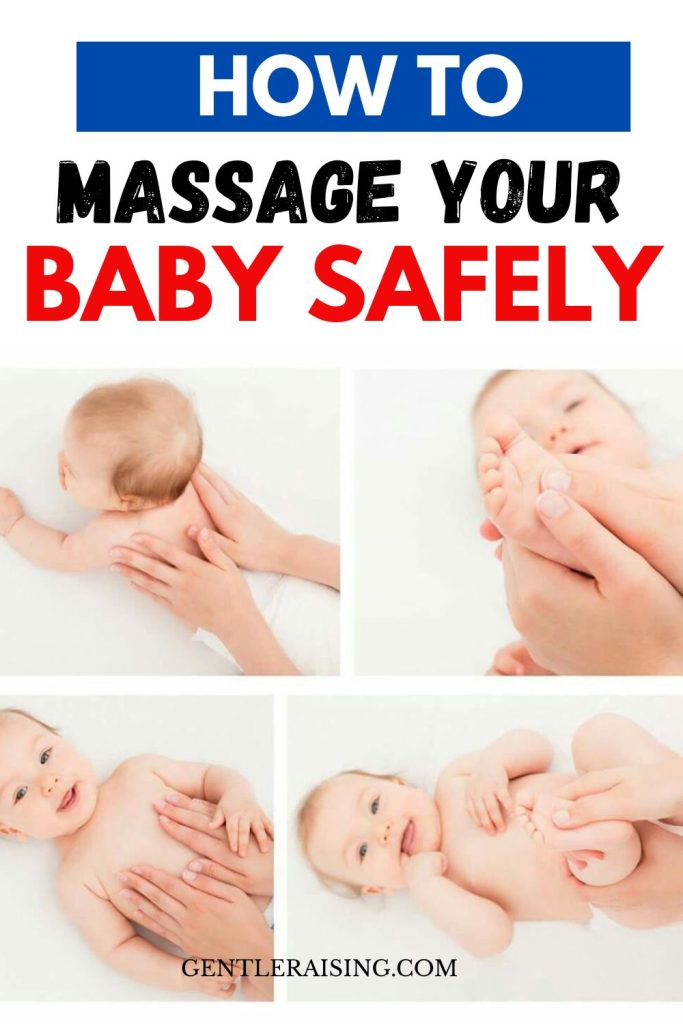
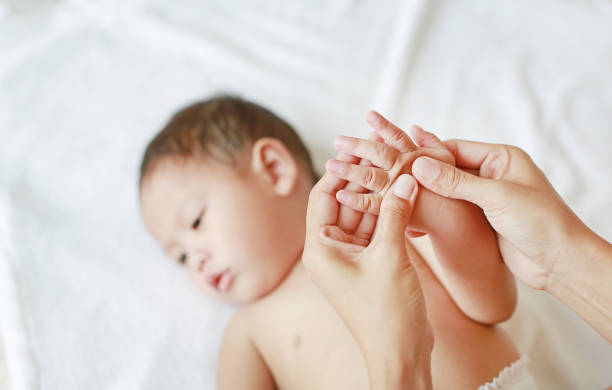
- Legs and feet. Start at the thighs, gently stroking down toward the feet. Small circular motions around the calves and soft squeezes of the tiny feet can be surprisingly calming.
- Arms and hands. Glide from shoulders to hands with gentle pressure, moving the arms in soft rotations. Babies love the feeling of being “stretched” in a very gentle way.
- Tummy. Rub clockwise in circles, following the direction of the digestive tract. This can help with gas and colic.
- Back. Place the baby on their tummy and gently stroke from neck to bottom, always moving in a direction that feels natural.
Here’s the real kicker: you don’t have to be perfect. Don’t stress about technique. Babies are forgiving little creatures; they care more about your touch and attention than the exact movement. Think of it as learning a new dance together; you’ll get better over time.
Tip 5: Watch for Cues. Communication Beyond Words
Babies speak a different language, and it’s mostly non-verbal. Your job is to pay attention.
- Positive cues: relaxed limbs, cooing, smiles, soft sighs. These are signals to keep going.
- Negative cues: stiffening, arching, fussing, turning away. Pause, check in, and maybe try again later.
The beauty here is that massage is more than just physical; it’s a form of conversation. Every stroke, every gentle touch, is your way of saying, “I see you. I care.” And you know what? Babies respond. Even if they don’t smile immediately, the sense of safety and attention stays with them.
Tip 6: Make It a Routine. Consistency Over Perfection
Here’s the secret sauce: make massage a habit, not a project. Even 5–10 minutes a day can make a difference. The regular rhythm helps babies feel secure, supports better sleep patterns, and strengthens the parent-child bond over time.
You can pair a massage with a lullaby, a bedtime story, or even a simple cuddle afterwards. Don’t worry about missing a day or two; it’s about connection, not perfection. Over time, your baby may even start to anticipate it, the tiny hands stretching, eyes brightening, the unmistakable trust in their gaze.
Consistency doesn’t mean rigid schedules. Think of it as a gentle rhythm woven into your daily life, a small pocket of time where the world slows down, and it’s just you and your baby.
Conclusion
Massaging your baby is one of those simple acts that carries outsized benefits. It’s calming, bonding, and can even support your baby’s physical development. Remember, it’s less about perfect technique and more about warmth, patience, and attention.
Start with a cosy environment, use safe oils, choose the right timing, learn gentle strokes, watch for cues, and make it a routine. And most importantly, enjoy it. Laugh, talk, hum, and connect. Because these little hands, these tiny sighs, these fleeting moments of serenity, they grow up fast.
So, grab that soft blanket, warm your hands, and let the magic of touch speak louder than words. And hey, don’t forget to soak in the giggles, coos, and occasional wriggles along the way. After all, this is parenting in its most intimate, human form.